
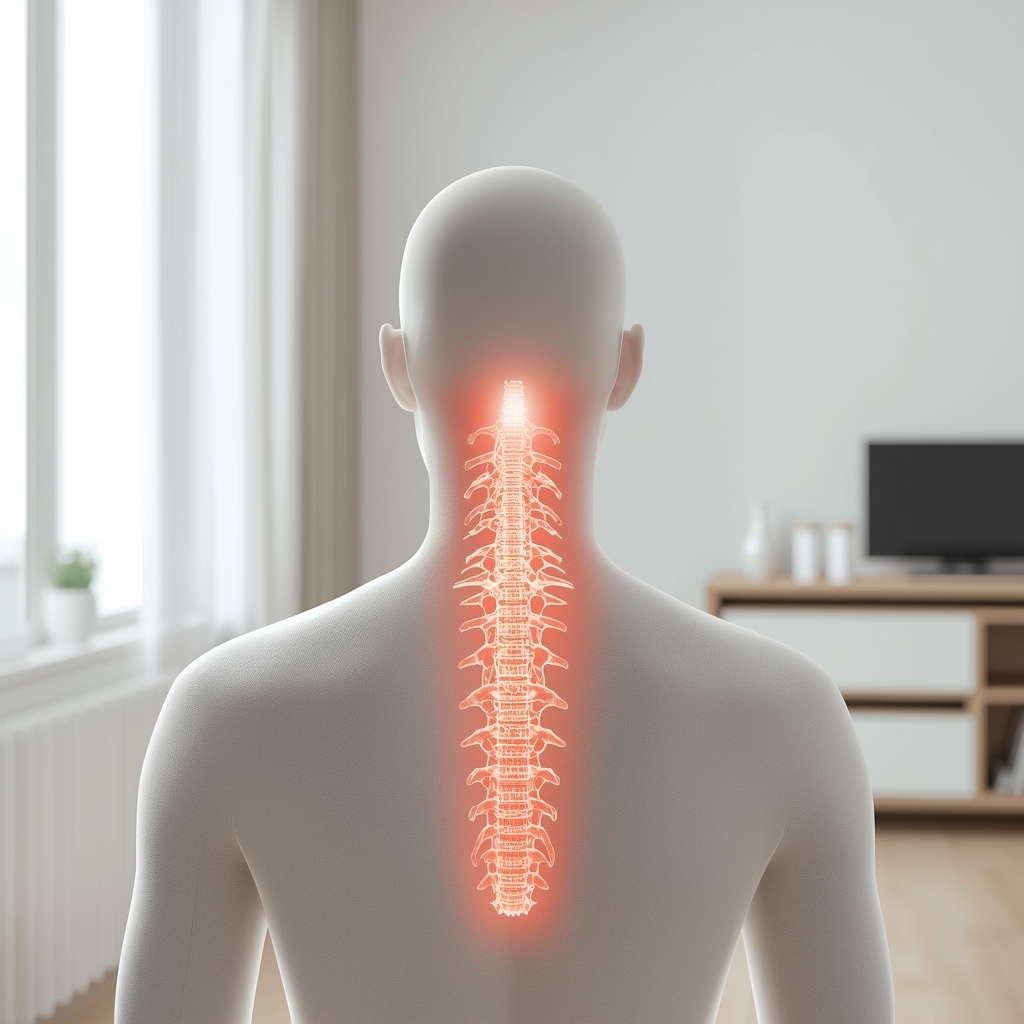
The Vagus Nerve and Its Role in Stress Regulation
The vagus nerve, the longest cranial nerve, plays a critical role in the body’s stress response by mediating the parasympathetic nervous system. Often referred to as the "rest and digest" system, it helps counterbalance the sympathetic "fight or flight" response. When activated, the vagus nerve promotes relaxation, lowers heart rate, and supports digestion. Chronic stress can dysregulate this pathway, leading to heightened anxiety and physical symptoms. Chiropractic care may influence this system by addressing spinal misalignments that interfere with nerve communication, potentially restoring balance and reducing stress-related tension.
How Chiropractic Adjustments Influence the Nervous System
Spinal adjustments are designed to correct subluxations—misalignments that may impede nerve function. By realigning the spine, chiropractors aim to improve communication between the brain and body, which can indirectly support the vagus nerve’s regulatory role. For example, adjustments to the cervical or upper thoracic spine might reduce pressure on nerves that connect to the vagus, enhancing its ability to modulate stress. While the exact mechanisms are still under study, many patients report feeling calmer and more grounded after adjustments, suggesting a potential link between spinal health and nervous system resilience.
The Connection Between Spinal Alignment and Vagus Nerve Function
The vagus nerve originates in the brainstem and travels through the neck, chest, and abdomen, making the cervical spine a key area of focus. Misalignments in this region could theoretically disrupt the nerve’s signaling, contributing to stress and digestive issues. Chiropractors often assess and adjust the upper spine to optimize nerve flow, which may help the vagus nerve function more efficiently. This approach aligns with the chiropractic philosophy that proper spinal alignment supports overall health. However, individual responses vary, and the relationship between spinal adjustments and vagus nerve activity remains an area of ongoing exploration.
Techniques That May Target the Vagus Nerve Pathway
While traditional chiropractic adjustments focus on the spine, some practitioners incorporate techniques that specifically address the vagus nerve. These may include gentle manipulations of the cervical spine, soft tissue work around the neck, or even specific postures that stimulate the nerve’s activity. For instance, adjustments to the atlas (C1) vertebra are sometimes used to relieve pressure on the brainstem, where the vagus nerve originates. Additionally, therapies like cold laser or electrical stimulation might complement spinal adjustments by enhancing nerve function. These methods are often part of a broader treatment plan, tailored to each patient’s needs.
Evidence and Research on Chiropractic Care and the Vagus Nerve
Research on the vagus nerve’s interaction with chiropractic care is still emerging. While some studies suggest that spinal adjustments can influence autonomic nervous system activity, direct evidence linking these interventions to vagus nerve stimulation is limited. Most findings are observational or based on small sample sizes, highlighting the need for more rigorous studies. Patients interested in this approach should discuss their goals with a qualified chiropractor, who can explain the potential benefits and limitations. As with any health intervention, individual outcomes may vary, and a personalized assessment is essential.
Consulting a Chiropractor for Stress-Related Concerns
If you’re experiencing stress or anxiety, a chiropractor can help explore how spinal health might contribute to your symptoms. Through a comprehensive evaluation, they can identify misalignments or nerve interference that may affect your body’s stress response. While chiropractic care is not a substitute for medical treatment, many people find it beneficial as part of a holistic approach. Always consult a licensed professional to discuss your specific situation and determine whether adjustments or other techniques could support your wellness goals. Open communication with your provider ensures safe and effective care tailored to your needs.














