
The Vagus Nerve and Autonomic Nervous System Overview
The vagus nerve, the longest cranial nerve, plays a central role in regulating the autonomic nervous system (ANS), which governs involuntary functions like heart rate, digestion, and immune responses. The ANS has two branches: the sympathetic (fight-or-flight) and parasympathetic (rest-and-digest) systems. The vagus nerve is a key component of the parasympathetic pathway, influencing heart rate variability, gastrointestinal motility, and inflammatory responses. While research into how chiropractic adjustments interact with these systems is evolving, some studies suggest spinal manipulative therapy may impact nerve signaling, potentially modulating ANS activity through mechanical and neurophysiological pathways.
Spinal Alignment and Nerve Pathways
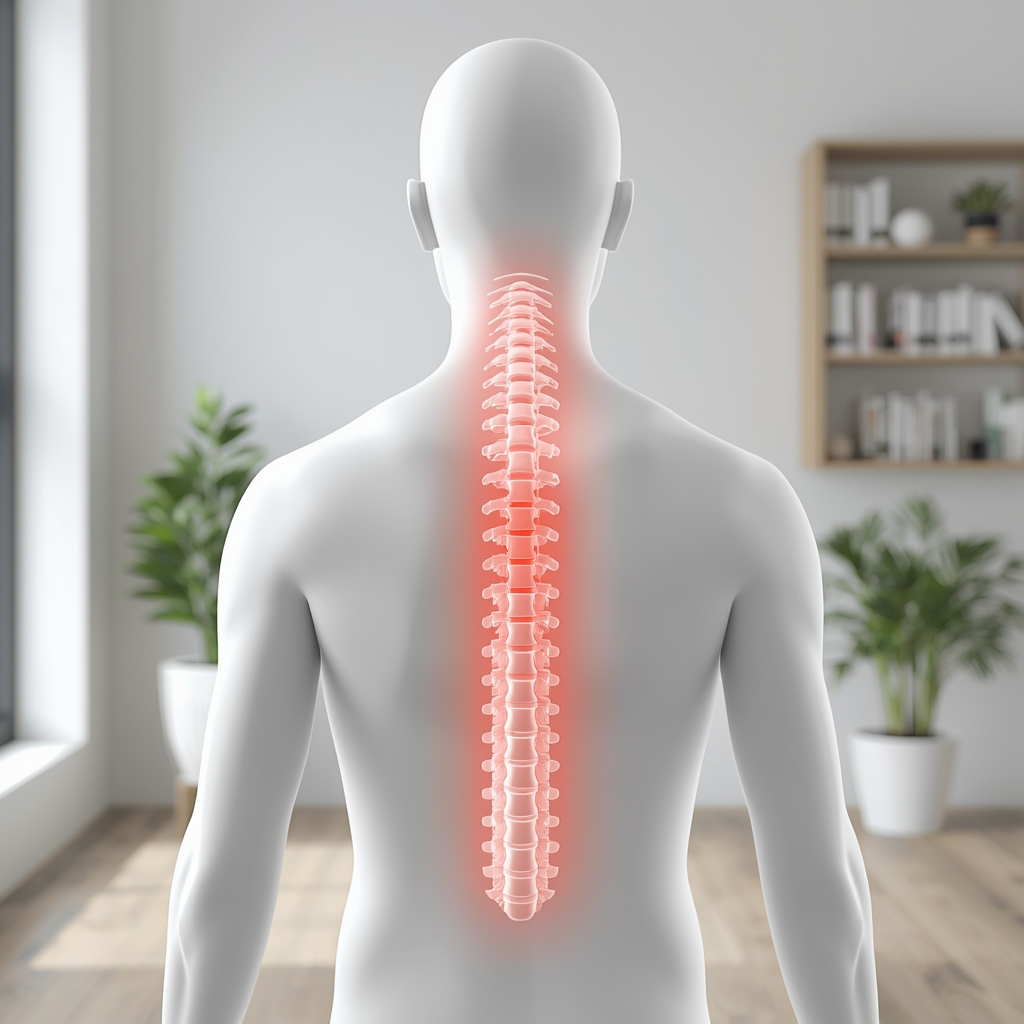
The spine houses and protects the spinal cord, which serves as a primary conduit for nerve signals between the brain and body. Misalignments, or subluxations, may theoretically alter nerve function by compressing or irritating spinal nerves. The vagus nerve originates in the brainstem and exits through the cervical spine, making its pathway vulnerable to mechanical influences. Chiropractic adjustments aim to correct these misalignments, potentially reducing pressure on nerves and improving signal transmission. This could enhance vagal tone—the activity level of the vagus nerve—supporting balanced autonomic function. However, the exact mechanisms remain under investigation, with current evidence focusing on anatomical and physiological correlations rather than definitive causation.
Neurophysiological Mechanisms of Adjustment
Chiropractic adjustments may influence the nervous system through multiple neurophysiological pathways. One theory involves the release of mechanoreceptors in the joints and soft tissues, which can send signals to the central nervous system. These signals may modulate pain perception and autonomic activity. Additionally, adjustments might stimulate the release of neurotransmitters like acetylcholine, which plays a role in parasympathetic function. By improving spinal mobility and reducing mechanical stress, adjustments could also enhance proprioceptive feedback, potentially stabilizing ANS responses. While these mechanisms are widely discussed in clinical literature, they remain areas of ongoing research, with no single consensus on their exact role in vagus nerve modulation.
Impact on Autonomic Balance
The autonomic nervous system maintains homeostasis by balancing sympathetic and parasympathetic activity. Chronic stress or misalignments may tilt this balance toward sympathetic dominance, contributing to issues like hypertension or digestive dysfunction. Chiropractic care may help restore equilibrium by stimulating the vagus nerve, which promotes parasympathetic activity. This could manifest as reduced heart rate, improved digestion, and enhanced relaxation. Some practitioners observe these effects in patients, though individual responses vary. While preliminary evidence suggests a potential link between spinal adjustments and autonomic regulation, more rigorous studies are needed to establish clear causal relationships and optimal therapeutic approaches.
Research and Clinical Observations
Current research on chiropractic adjustments and the vagus nerve is limited but growing. Some studies indicate that spinal manipulative therapy may increase heart rate variability—a marker of vagal tone—suggesting improved autonomic function. Others explore the role of adjustments in conditions like irritable bowel syndrome or anxiety, where ANS dysregulation is a factor. However, these findings are correlational, and direct evidence of vagus nerve stimulation remains inconclusive. Clinicians often report anecdotal improvements in patients’ well-being following adjustments, but such outcomes are influenced by multiple variables. As with any therapeutic intervention, individual results may vary, and further research is essential to validate these observations and refine treatment protocols.
Consultation and Personalized Care
While chiropractic adjustments may influence the vagus nerve and autonomic nervous system, their effects are not universal. Factors such as the patient’s condition, adjustment technique, and overall health play critical roles. Individuals seeking care should consult a licensed chiropractor to discuss their specific needs and goals. A provider can assess spinal alignment, identify potential nerve interactions, and recommend a tailored approach. It is important to note that chiropractic care is not a substitute for medical treatment but may complement conventional therapies. Patients should always work with healthcare professionals to address underlying conditions and ensure safe, effective care that aligns with their health objectives.














