
The Vagus Nerve and Its Role in Stress Regulation
The vagus nerve, the longest cranial nerve, plays a critical role in the body's stress response by regulating the parasympathetic nervous system. Often referred to as the "rest-and-digest" system, it helps counterbalance the "fight-or-flight" response triggered by stress. When activated, the vagus nerve promotes relaxation, lowers heart rate, and supports digestion. Its activity is closely linked to emotional well-being, with research suggesting that a well-functioning vagus nerve can enhance resilience to stress. However, factors like chronic stress, poor posture, or spinal misalignments may disrupt its optimal function, potentially impacting mental health outcomes.
Spinal Nervous System Connections to the Vagus Nerve
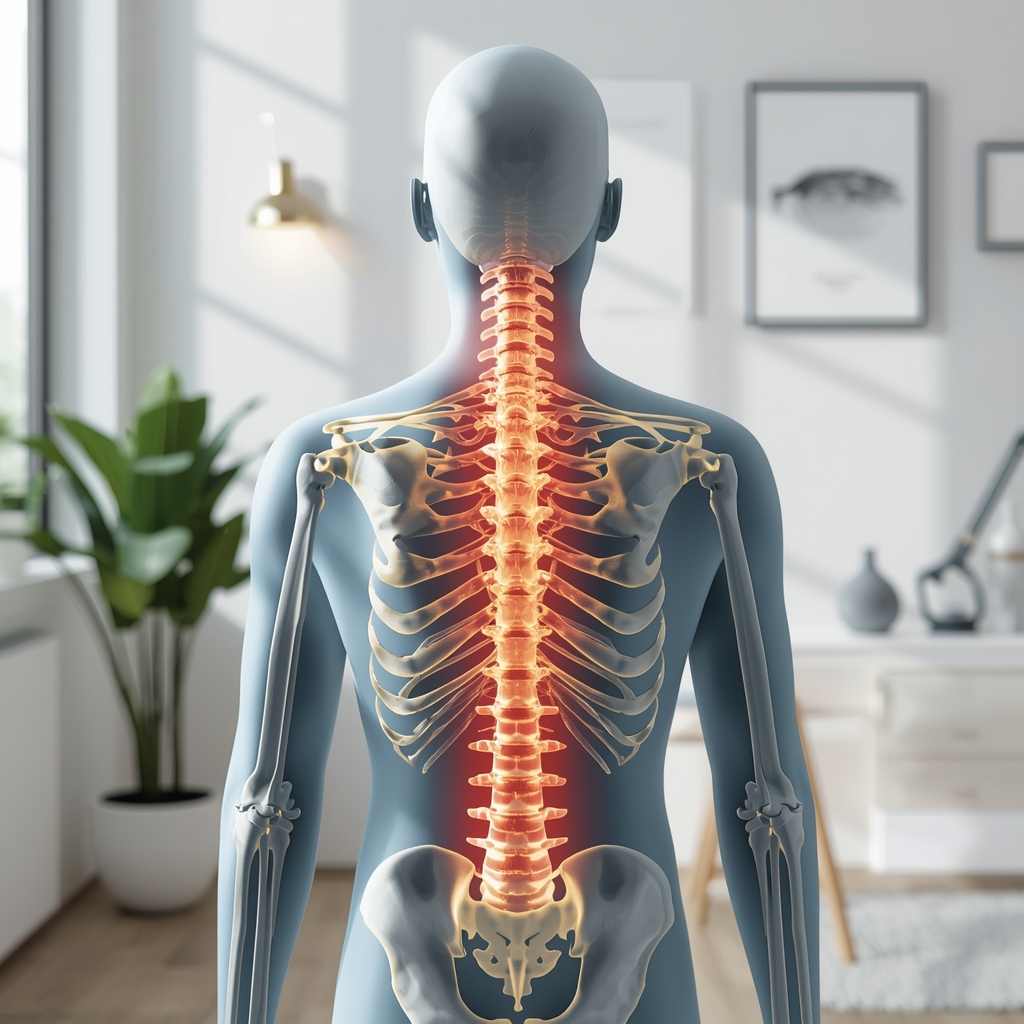
The spine serves as a central pathway for nerve communication between the brain and the body. The vagus nerve originates in the brainstem and extends through the neck, chest, and abdomen, interacting with spinal structures along its journey. Spinal misalignments, particularly in the cervical (neck) or thoracic (upper back) regions, could theoretically interfere with nerve signals, including those involving the vagus nerve. Chiropractic care focuses on correcting these misalignments to restore proper nervous system function. By addressing spinal health, practitioners aim to support the body's natural ability to manage stress and maintain homeostasis, though specific mechanisms remain an area of ongoing research.
How Spinal Adjustments May Influence Vagus Nerve Activity
Chiropractic adjustments are designed to realign the spine, potentially reducing pressure on nerves and improving communication within the nervous system. While direct evidence linking spinal adjustments to vagus nerve stimulation is limited, some theories suggest that proper spinal alignment could enhance vagal tone—the efficiency of the vagus nerve's function. For example, adjustments to the cervical spine might indirectly support the nerve's pathways, promoting a more balanced stress response. However, it's important to note that these effects are not guaranteed and should be discussed with a qualified chiropractor. The goal is to create an environment where the nervous system can operate optimally, which may contribute to improved mental health over time.
Stress Reduction and Mental Health Implications
Stress is a known contributor to mental health challenges such as anxiety and depression. A well-functioning vagus nerve is associated with better emotional regulation and resilience. By potentially supporting vagal activity through spinal care, chiropractic interventions may offer a complementary approach to stress management. While not a substitute for traditional therapies, some individuals report reduced stress symptoms after regular chiropractic sessions. This could be due to a combination of factors, including improved posture, reduced physical tension, and enhanced nervous system balance. As with any health strategy, outcomes vary, and personalized guidance from a healthcare provider is essential to determine the best approach for individual needs.
Integrating Chiropractic Care with Holistic Stress Management
Chiropractic care is often part of a broader wellness strategy for managing stress. Techniques such as mindfulness, exercise, and proper sleep also play vital roles in supporting the vagus nerve and mental health. Spinal adjustments may work synergistically with these practices by addressing physical factors that could hinder the body's natural stress responses. For instance, a relaxed nervous system from chiropractic care might make it easier for individuals to engage in meditation or deep breathing exercises. However, it's crucial to approach these methods as part of a comprehensive plan rather than standalone solutions. Consulting with a chiropractor and other healthcare professionals ensures a balanced, informed approach to stress reduction and mental well-being.
Conclusion: Exploring the Spine-Mental Health Connection
The relationship between the spine, the vagus nerve, and mental health highlights the complexity of the body's regulatory systems. While chiropractic adjustments may offer potential benefits in supporting nervous system function, their role in directly stimulating the vagus nerve remains an area of ongoing exploration. Individuals seeking stress relief or mental health support should consider a multidisciplinary approach, incorporating professional guidance and evidence-based practices. By understanding how spinal health interacts with overall wellness, patients can make informed decisions about their care. Always consult a qualified chiropractor or healthcare provider to discuss personalized options and ensure safe, effective management of stress and mental health concerns.












