
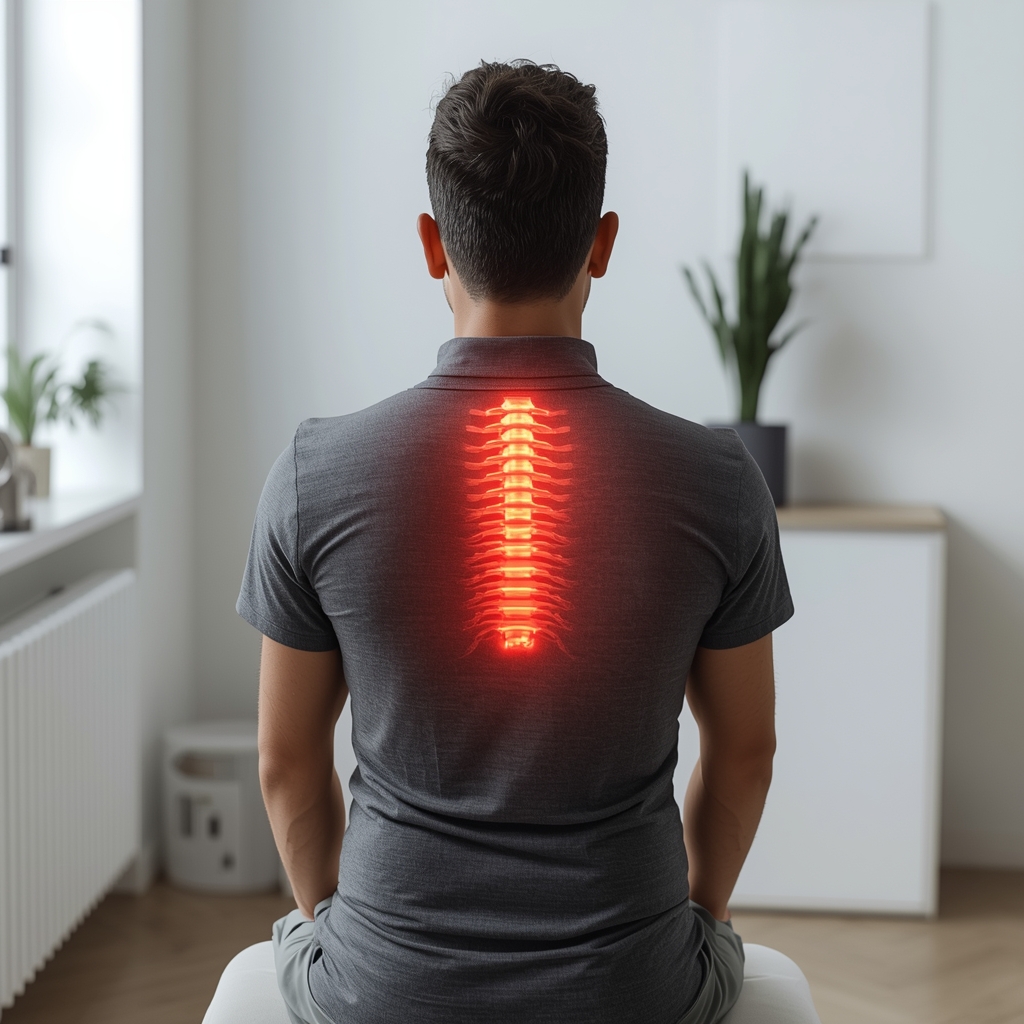
The Autonomic Nervous System and Its Role in Mental Health
The autonomic nervous system (ANS) regulates involuntary bodily functions like heart rate, digestion, and stress responses. It consists of the sympathetic (fight-or-flight) and parasympathetic (rest-and-digest) branches. Imbalances in the ANS are linked to mental health challenges, including anxiety and depression. Chronic pain patients often experience heightened sympathetic activity, contributing to persistent stress and emotional distress. Understanding how spinal adjustments interact with the ANS can shed light on their potential to support mental well-being. This connection underscores the importance of addressing both physical and neurological factors in holistic care.
How Spinal Adjustments Influence the Autonomic Nervous System
Spinal adjustments aim to correct misalignments (subluxations) that may interfere with nerve communication. By restoring proper spinal mechanics, these adjustments can modulate ANS activity. Research suggests that chiropractic interventions may reduce sympathetic overactivity and enhance parasympathetic function, promoting relaxation and stress resilience. For example, adjustments to the cervical or thoracic spine might influence vagus nerve signaling, which plays a key role in regulating mood and emotional responses. While the exact mechanisms are still under study, the interplay between spinal health and ANS regulation highlights a potential pathway for improving mental health outcomes.
Implications for Depression and Anxiety in Chronic Pain Patients
Chronic pain and mental health conditions often coexist, creating a complex cycle of physical discomfort and emotional distress. Spinal adjustments may help break this cycle by addressing neurological disruptions linked to both pain and mood disorders. By reducing sympathetic dominance, adjustments could ease anxiety symptoms and improve sleep, which are critical for emotional stability. For depression, the potential for improved ANS balance might enhance overall well-being and reduce the physiological burden of chronic stress. However, these effects are part of a broader treatment approach and should be explored under professional guidance.
The Connection Between Spinal Health and Emotional Well-Being
The spine houses and protects the spinal cord, a central pathway for nerve signals connecting the brain to the body. Misalignments can disrupt this communication, potentially exacerbating stress responses and mood imbalances. Chiropractic care focuses on optimizing this neural pathway, which may indirectly support emotional health. For individuals with chronic pain, addressing spinal dysfunction could alleviate some of the neurological stressors contributing to anxiety or depression. While not a standalone solution, this holistic perspective emphasizes the body’s interconnected systems and the value of integrative approaches to mental and physical health.
Chiropractic Care as a Complementary Approach
Chiropractic adjustments are often used alongside traditional mental health treatments, such as therapy and medication. For chronic pain patients, this complementary approach may offer additional relief by targeting underlying neurological factors. By promoting ANS balance, chiropractic care could enhance the effectiveness of other interventions, fostering a more comprehensive recovery. However, it is essential to consult with qualified healthcare providers to determine the best strategies for individual needs. Open communication between chiropractors and mental health professionals can ensure a coordinated, patient-centered approach to care.
Consulting Professionals for Personalized Guidance
While spinal adjustments show promise in supporting ANS function and mental health, their effectiveness varies among individuals. Factors like the severity of chronic pain, existing medical conditions, and personal health history influence outcomes. Patients considering chiropractic care should discuss their goals and concerns with a licensed chiropractor and other healthcare providers. This collaborative approach ensures that treatments align with overall health objectives and minimizes risks. By prioritizing professional guidance, individuals can explore safe, evidence-informed options for managing chronic pain and its emotional impacts.













