
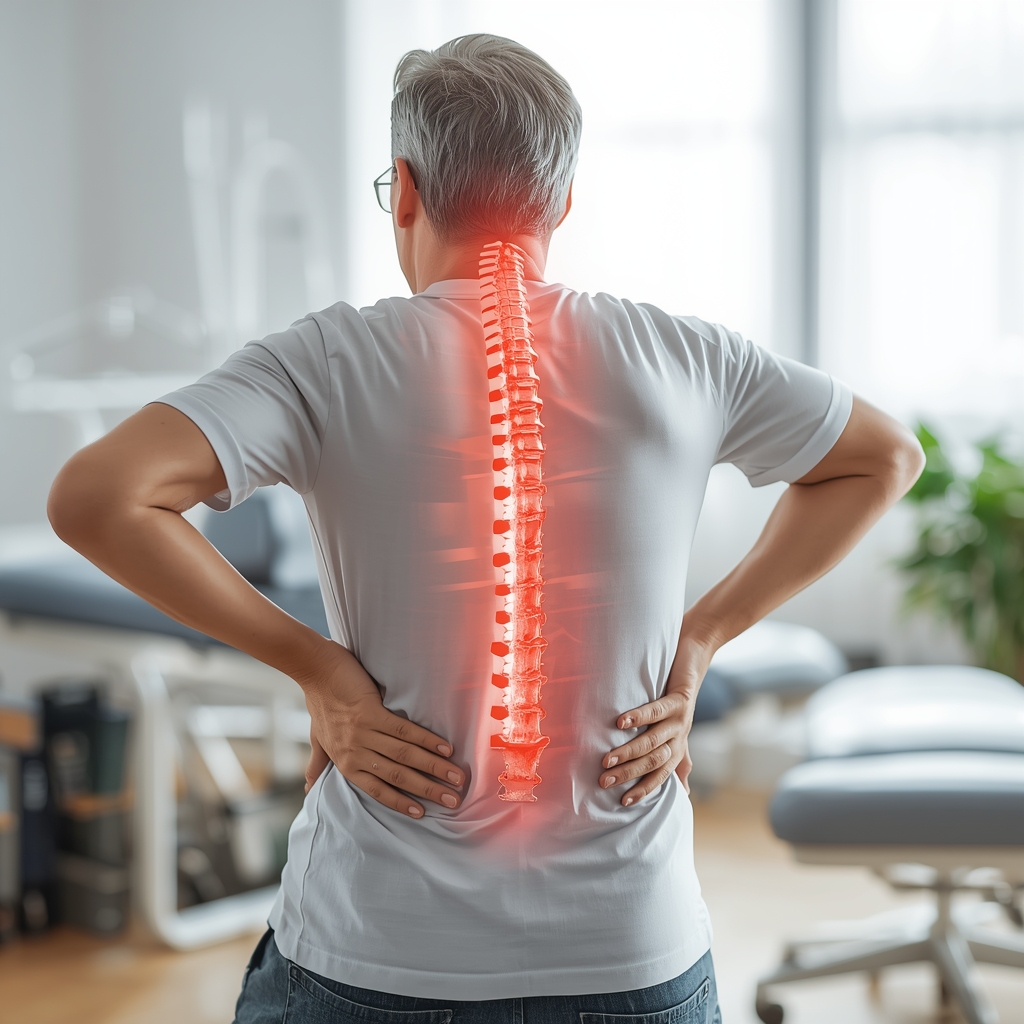
The Autonomic Nervous System and Its Role in Pain Regulation
The autonomic nervous system (ANS) governs involuntary bodily functions like heart rate, digestion, and immune responses. It consists of two branches: the sympathetic nervous system (SNS), which activates the body’s fight-or-flight response, and the parasympathetic nervous system (PNS), which promotes rest, digestion, and recovery. Chronic pain often involves dysregulation of these systems, with prolonged SNS activation potentially exacerbating inflammation and pain sensitivity. The ANS also influences muscle tension, blood flow, and organ function, all of which can contribute to persistent discomfort. Understanding how spinal adjustments interact with this complex network may shed light on their potential to alleviate chronic pain through nervous system modulation.
Spinal Adjustments and Neural Communication
Spinal adjustments aim to correct misalignments in the vertebrae, which chiropractors believe can interfere with nerve signals traveling between the brain and body. The spine houses the spinal cord, a critical pathway for ANS function. By restoring proper alignment, adjustments may reduce mechanical pressure on nerves and improve neural communication. This could help rebalance the ANS, potentially reducing overactivity in the SNS and enhancing parasympathetic function. While the exact mechanisms remain under study, many practitioners suggest that improved spinal mechanics support the body’s natural ability to regulate pain and maintain homeostasis. However, individual responses vary, and these effects should be explored with a qualified chiropractor.
Impact on Sympathetic and Parasympathetic Balance
Chronic pain conditions are often linked to an overactive sympathetic nervous system, which can heighten pain perception and reduce the body’s ability to heal. Spinal adjustments may help recalibrate this balance by stimulating the vagus nerve, a key component of the PNS. This stimulation could promote relaxation, reduce inflammation, and ease muscle tension. Conversely, adjustments might also address structural imbalances that contribute to persistent SNS activation. While research on these interactions is ongoing, some studies suggest that spinal interventions can influence ANS activity, potentially offering relief for individuals with chronic pain. As with any treatment, results depend on factors like the severity of the condition and the patient’s overall health.
Potential Mechanisms for Chronic Pain Relief
By influencing the ANS, spinal adjustments may indirectly alleviate chronic pain through multiple pathways. For instance, reducing SNS overactivity could lower systemic inflammation and improve sleep quality, both of which are crucial for recovery. Adjustments might also enhance blood flow and oxygen delivery to affected tissues, supporting healing. Additionally, improved nerve function could restore normal signaling between the brain and pain-sensitive areas, potentially decreasing perceived pain intensity. While these mechanisms are theoretical, they align with broader principles of nervous system regulation. Patients considering chiropractic care should discuss their specific condition with a provider to determine if adjustments might complement their treatment plan.
Individualized Care and Professional Guidance
Chiropractic adjustments are not a one-size-fits-all solution, and their effects on the ANS can vary based on individual physiology and the nature of the pain. A qualified chiropractor would assess a patient’s spinal alignment, medical history, and symptoms before recommending treatment. This personalized approach ensures that adjustments are tailored to the patient’s needs while minimizing risks. It’s important to note that spinal manipulation should be part of a comprehensive pain management strategy, potentially combining with other therapies like physical therapy or lifestyle modifications. Patients should always consult with licensed professionals to explore safe and effective options for addressing chronic pain.
Conclusion: Exploring the Connection Between Spine and Nervous System
The relationship between spinal adjustments and the autonomic nervous system highlights the intricate ways the body regulates pain and function. While the exact mechanisms remain an area of ongoing research, many chiropractors believe that restoring spinal alignment can support ANS balance, offering relief for chronic pain sufferers. This connection underscores the importance of a holistic approach to health, where the nervous system’s role is carefully considered. As with any medical intervention, individuals should seek guidance from qualified practitioners to determine if chiropractic care aligns with their unique needs and goals.















