
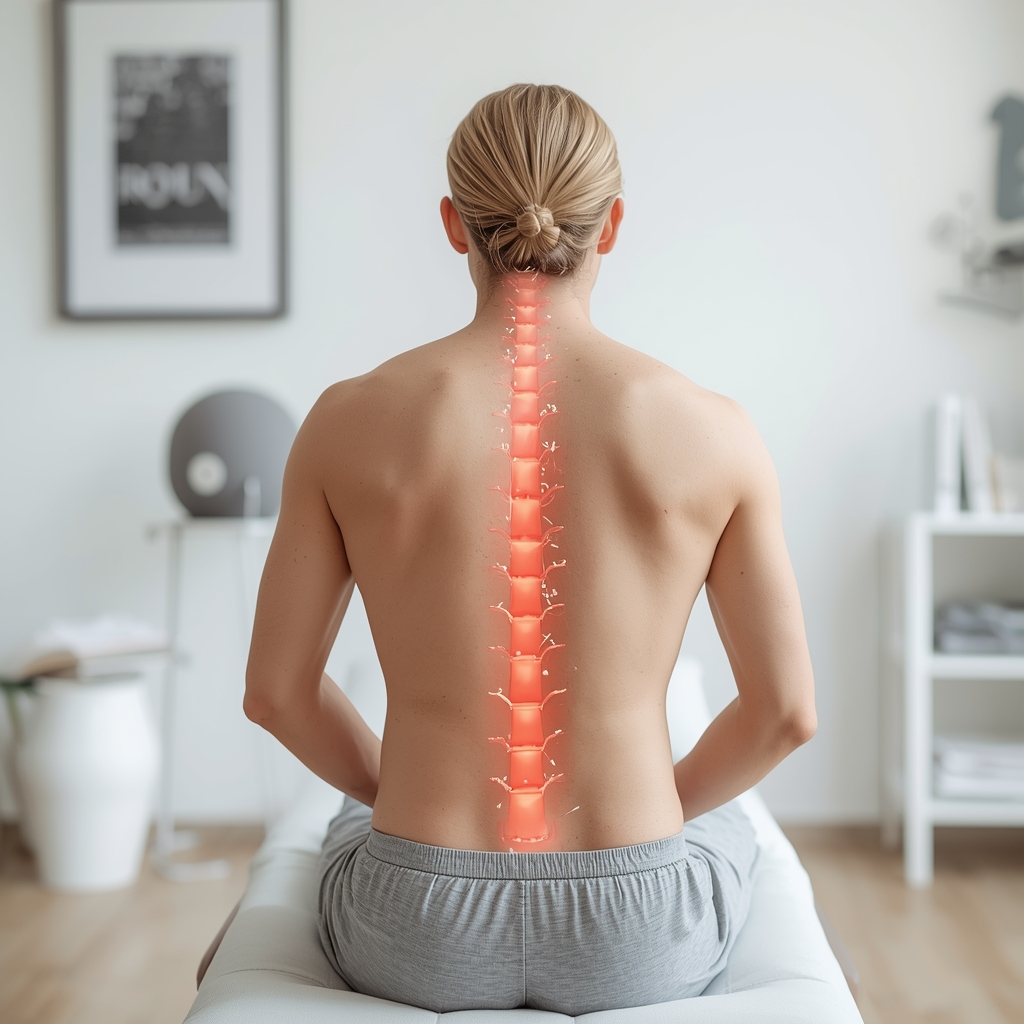
Understanding Lumbar Spinal Stenosis and Its Challenges
Lumbar spinal stenosis occurs when the spinal canal in the lower back narrows, compressing nerves and causing pain, numbness, or weakness in the legs. This condition often develops gradually due to age-related changes, such as bone spurs or thickened ligaments. Symptoms may worsen with standing or walking, significantly impacting daily activities. While conservative treatments like physical therapy or medication are common, some patients seek complementary approaches to manage discomfort. Chiropractic care and acupuncture are two such options that may offer relief by addressing both structural and neurological factors. Understanding how these therapies work together can help patients explore holistic strategies for symptom management.
The Role of Spinal Adjustments in Spinal Stenosis Care
Spinal adjustments, a core chiropractic technique, aim to restore proper alignment and mobility to the spine. For lumbar spinal stenosis, these adjustments may help reduce pressure on affected nerves by improving spinal mechanics. By gently manipulating the vertebrae, chiropractors can enhance nerve function and potentially alleviate radiating pain. However, adjustments alone may not address all aspects of the condition, such as inflammation or muscle tension. Patients should work with experienced providers who tailor techniques to their specific needs, ensuring safety and effectiveness. While adjustments can be part of a broader treatment plan, they are typically combined with other therapies for optimal results.
How Acupuncture Complements Chiropractic Care
Acupuncture, an ancient practice involving precise needle insertion, is believed to stimulate the body’s natural healing processes. For lumbar spinal stenosis, it may help reduce inflammation, ease muscle spasms, and improve blood flow to affected areas. When paired with spinal adjustments, acupuncture can enhance pain relief by targeting both structural and soft-tissue components of the condition. Some patients report reduced reliance on medications after integrating acupuncture into their care. However, the effectiveness of this combination varies, and it is crucial to seek licensed practitioners trained in both disciplines. This integrative approach highlights the value of combining traditional and modern methods to address complex health concerns.
Combining Spinal Adjustments and Acupuncture for Synergy
When used together, spinal adjustments and acupuncture may create a synergistic effect, addressing multiple facets of lumbar spinal stenosis. Adjustments focus on realigning the spine to reduce nerve compression, while acupuncture targets pain pathways and promotes relaxation. This dual approach can potentially improve mobility and decrease discomfort more effectively than either method alone. Patients often experience cumulative benefits, such as reduced inflammation and enhanced nerve function. However, the specific protocols and frequency of treatments should be determined by a qualified chiropractor who understands the condition. Open communication between the patient and provider is essential to customize the care plan and monitor progress over time.
Considerations for Patients Exploring Combined Therapies
Before pursuing spinal adjustments and acupuncture for lumbar spinal stenosis, patients should consult a licensed chiropractor with experience in complex spinal conditions. A thorough evaluation is necessary to determine the safety and appropriateness of these treatments, especially if there are underlying health concerns. While many find these therapies beneficial, individual responses can vary, and results are not guaranteed. Patients should also discuss any existing treatments or medications to avoid potential interactions. It is important to view these approaches as part of a broader care strategy rather than standalone solutions. Regular follow-ups and adjustments to the treatment plan can help optimize outcomes and ensure a safe, effective experience.
Conclusion: A Holistic Approach to Spinal Stenosis Management
Combining spinal adjustments with acupuncture offers a promising, non-invasive option for managing lumbar spinal stenosis symptoms. By addressing both structural imbalances and nerve-related discomfort, this integrative approach may provide relief where traditional methods fall short. However, success depends on personalized care from qualified professionals who can navigate the complexities of the condition. Patients should remain proactive in their health journey, staying informed about their treatment options and maintaining open dialogue with their care team. As research into complementary therapies continues, these methods may play an increasingly vital role in supporting long-term wellness for those living with spinal stenosis.















