
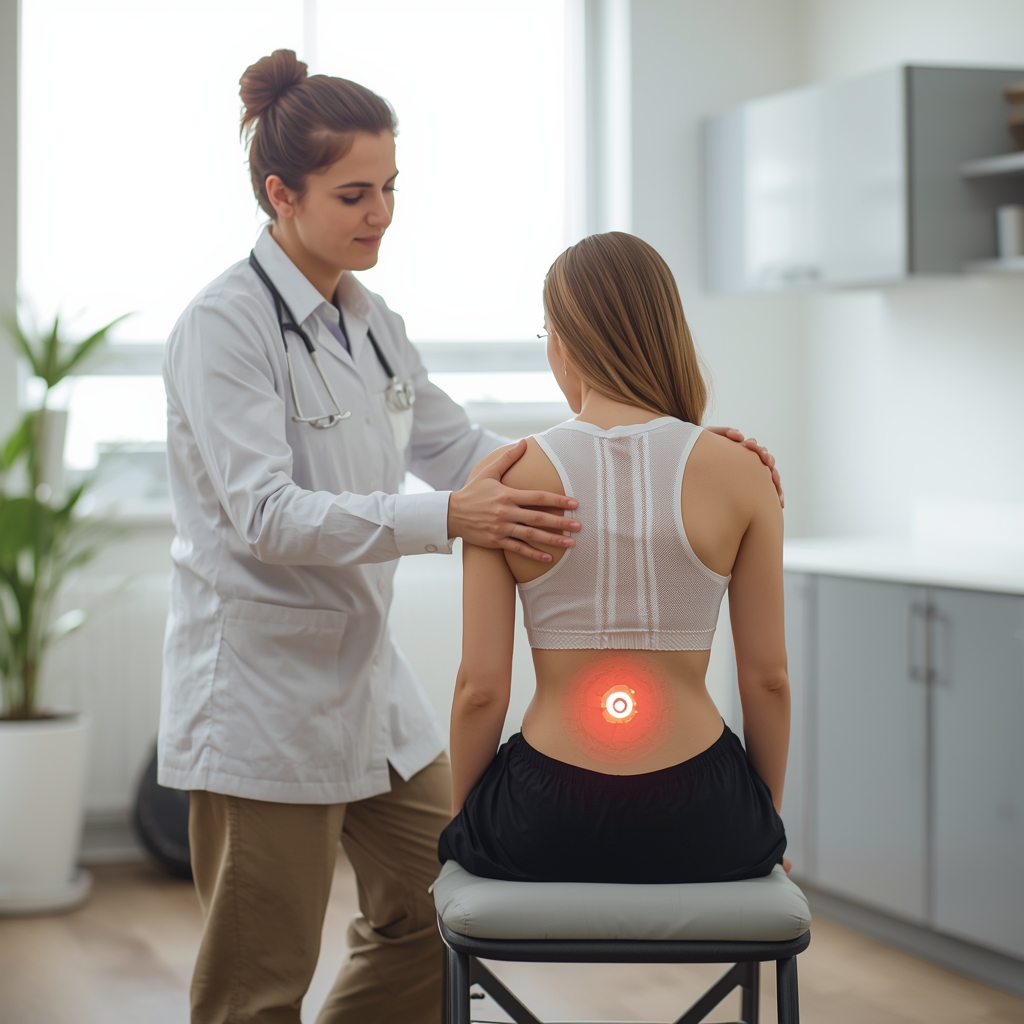
Understanding Sciatic Neuropathy and Nerve Function
Sciatic neuropathy refers to conditions affecting the sciatic nerve, the largest nerve in the body, which runs from the lower back through the hips and legs. This nerve plays a critical role in transmitting sensory and motor signals between the spine and the lower extremities. When compressed, inflamed, or damaged—often due to herniated discs, spinal stenosis, or muscular tension—sciatic neuropathy can cause pain, numbness, tingling, or weakness along its path. While the condition is often linked to mechanical issues in the spine, nerve-related dysfunction can also arise from systemic factors. Understanding the sciatic nerve’s anatomy and function is key to exploring how chiropractic interventions may address its symptoms, as these approaches aim to restore balance and reduce pressure on affected nerves.
How Chiropractic Adjustments Target Nerve Compression
Chiropractic adjustments involve manual manipulations of the spine to correct misalignments, or subluxations, that may contribute to nerve compression. By realigning vertebrae, these adjustments can alleviate pressure on the sciatic nerve, which often becomes irritated due to spinal irregularities. For example, a herniated disc or narrowed spinal canal might compress the nerve roots, leading to pain and dysfunction. Adjustments aim to restore proper spinal mechanics, potentially reducing inflammation and improving nerve signal transmission. While not a cure, many patients report reduced discomfort and improved mobility after regular sessions. However, the effectiveness of adjustments varies, and they should always be performed by a licensed chiropractor to ensure safety and appropriateness for individual conditions.
Nerve Mobilization Techniques for Sciatic Relief
Nerve mobilization techniques, also known as neural glides or nerve flossing, are exercises designed to improve the mobility and function of compressed or irritated nerves. These methods involve gentle, controlled movements that stretch and reposition the sciatic nerve, helping to reduce pain and restore normal function. For instance, specific leg and torso movements can ease tension around the nerve as it exits the spine, potentially alleviating symptoms like radiating leg pain or numbness. Chiropractors often integrate these techniques into treatment plans to complement adjustments, addressing both structural and neurological components of sciatic neuropathy. While these exercises are generally safe, they should be guided by a professional to avoid overstretching or exacerbating the condition. When combined with other therapies, nerve mobilization may enhance overall recovery and symptom management.
Combining Adjustments with Nerve Mobilization
Chiropractors often use a multi-faceted approach to treat sciatic neuropathy, combining spinal adjustments with nerve mobilization techniques to address both mechanical and neurological factors. Adjustments correct spinal misalignments that may contribute to nerve compression, while nerve mobilization helps restore the sciatic nerve’s natural movement and function. This integrated strategy can reduce inflammation, improve nerve conductivity, and alleviate pain more effectively than either method alone. For example, after an adjustment, a chiropractor might guide a patient through specific stretches to ensure the nerve remains unimpeded. This dual approach acknowledges the complex interplay between spinal structure and nerve health, offering a comprehensive way to manage symptoms. However, the success of this method depends on the patient’s condition and the chiropractor’s expertise, emphasizing the importance of personalized care.
Safety and Considerations in Treatment
While chiropractic care is generally safe, it is essential to approach sciatic neuropathy treatment with caution. Spinal adjustments and nerve mobilization techniques should only be performed by licensed professionals who can assess individual needs and avoid unnecessary risks. For instance, improper adjustments could worsen nerve irritation or cause other complications. Patients with severe nerve damage, infections, or certain spinal conditions may require alternative treatments. Additionally, it is crucial to communicate openly with the chiropractor about symptoms, medical history, and any ongoing treatments. This ensures that the care plan is tailored to the patient’s specific situation. Safety also involves recognizing when to seek additional medical evaluation, such as for sudden worsening of symptoms or signs of neurological deficits. By prioritizing professional guidance, patients can maximize the benefits of chiropractic interventions while minimizing potential risks.
When to Seek Professional Guidance
If you experience persistent or worsening symptoms of sciatic neuropathy, such as severe pain, numbness, or weakness in the legs, it is important to consult a healthcare provider, including a chiropractor. A chiropractor can evaluate your condition through a physical exam and medical history, determining whether adjustments or nerve mobilization techniques are appropriate. They may also collaborate with other specialists, such as neurologists or physical therapists, to create a holistic treatment plan. It is vital to avoid self-diagnosis or unproven remedies, as these can delay effective care. Instead, work with a qualified chiropractor to explore evidence-based options that align with your health goals. Remember, while chiropractic care may provide relief for some, it is not a substitute for medical advice. Always discuss your symptoms and treatment choices with a healthcare professional to ensure the safest and most effective approach.














