
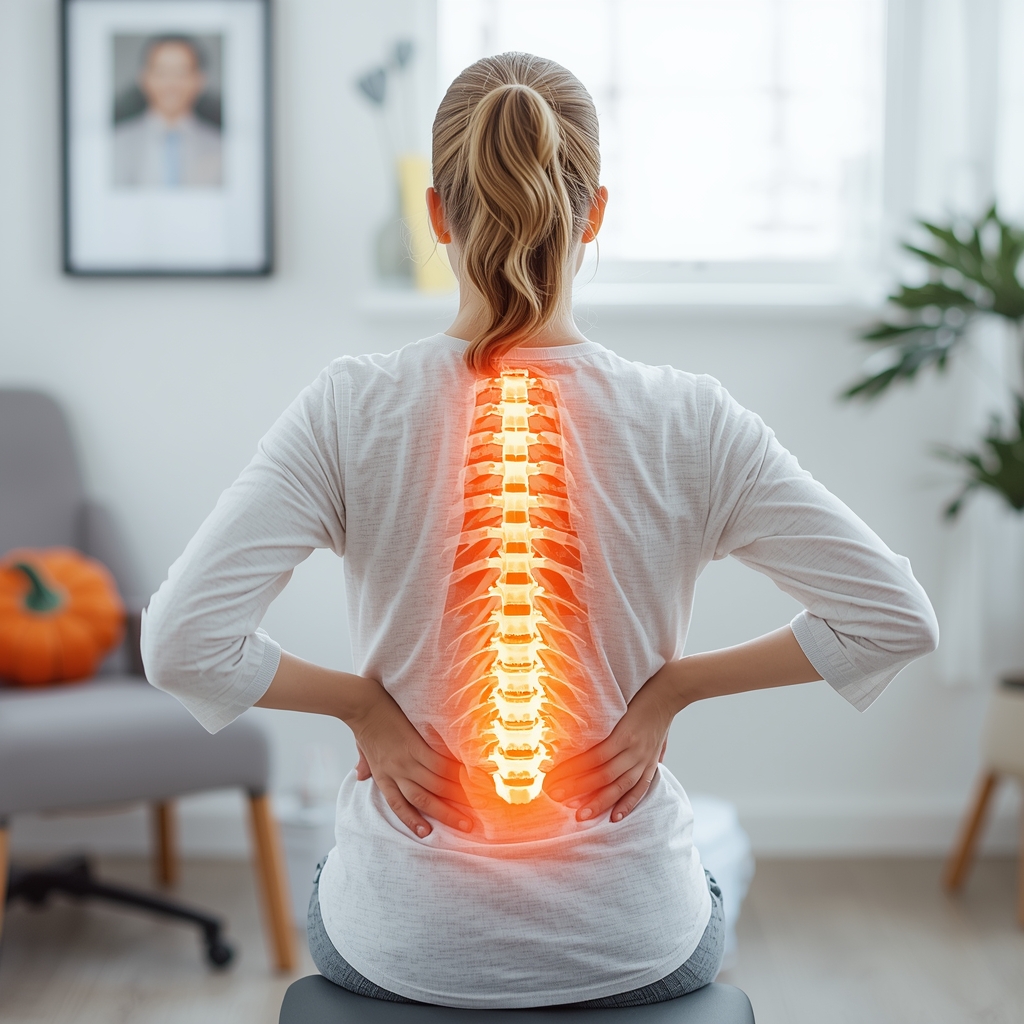
Understanding Sciatica and Nerve Involvement
Sciatica refers to pain along the sciatic nerve, often caused by compression or irritation in the lower back. This condition can lead to radiating discomfort in the hips, legs, and feet. While medication is a common treatment, non-invasive approaches like nerve mobilization and postural adjustments are increasingly favored for their holistic benefits. These methods aim to reduce pressure on the nerve, improve mobility, and promote natural healing. Understanding the role of nerve health is key to managing sciatica effectively. By addressing both structural and functional factors, patients can often achieve significant relief without relying on drugs. A chiropractor can help identify the root causes and tailor interventions to individual needs.
Nerve Mobilization Techniques for Sciatica
Nerve mobilization, or neural mobilization, involves gentle movements to improve the gliding of nerves within their surrounding tissues. For sciatica, techniques like the slump test and straight leg raise can help alleviate nerve tension. These exercises are designed to reduce inflammation and restore normal nerve function. When performed correctly, they can ease pain and improve range of motion. However, it’s crucial to avoid overstretching, which may worsen symptoms. A trained professional, such as a chiropractor, can guide patients through these techniques to ensure safety and effectiveness. Consistency is key, as regular practice may lead to long-term improvements in nerve mobility and pain management.
Postural Corrections to Alleviate Sciatic Pain
Poor posture, especially when sitting or standing for prolonged periods, can exacerbate sciatica by placing additional stress on the lower back and sciatic nerve. Correcting postural habits, such as avoiding slouching or crossing legs, can significantly reduce discomfort. Ergonomic adjustments to workspaces, like using supportive chairs and maintaining proper desk height, also play a role. Strengthening core muscles through targeted exercises can further support spinal alignment. A chiropractor may recommend specific postural retraining strategies to address individual biomechanics. Over time, these corrections can help prevent recurring episodes and promote overall musculoskeletal health.
Chiropractic Adjustments and Spinal Realignment
Spinal adjustments are a cornerstone of chiropractic care for sciatica, focusing on restoring proper alignment to the spine and pelvis. By reducing misalignments, such as subluxations, chiropractors can relieve pressure on the sciatic nerve. These adjustments are typically gentle and tailored to the patient’s condition. When combined with nerve mobilization and postural corrections, they can enhance recovery outcomes. It’s important to note that adjustments should only be performed by a licensed professional to ensure safety. Patients often report reduced pain and improved mobility after a series of sessions. Regular follow-ups may be necessary to maintain long-term benefits.
Lifestyle Modifications for Long-Term Relief
In addition to targeted interventions, lifestyle changes can support sciatica management. Regular physical activity, such as walking or swimming, promotes circulation and reduces stiffness. Avoiding prolonged inactivity is equally important, as it can worsen nerve compression. Heat or cold therapy may provide temporary relief, though consulting a healthcare provider is advisable. Maintaining a healthy weight减轻s strain on the spine, while stress management techniques like yoga or meditation can address related tension. These modifications, when integrated with chiropractic care, create a comprehensive approach to sciatica relief. Consistency and patience are vital for sustained improvement.
When to Seek Professional Guidance
While self-care strategies can help, persistent or severe sciatica warrants professional evaluation. A chiropractor can assess the underlying causes and recommend personalized treatment plans. They may combine nerve mobilization, postural corrections, and adjustments for optimal results. It’s essential to communicate any worsening symptoms or new complications to a healthcare provider. Early intervention often prevents chronic issues and reduces the need for more invasive treatments. Patients should also be cautious of unproven therapies or self-diagnosis. Trusting in evidence-based practices and working with qualified professionals ensures safe and effective sciatica management.














