
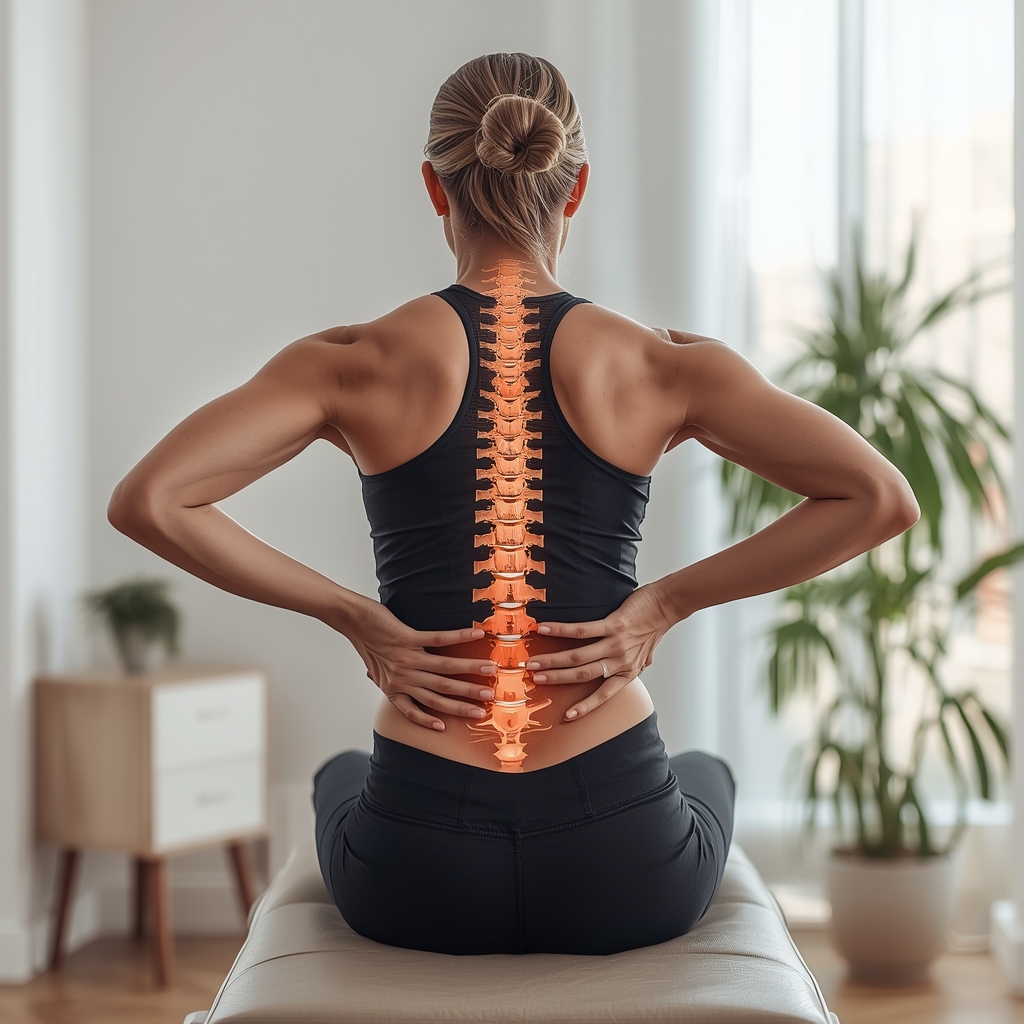
Understanding Sciatica and Lumbar Disc Herniation
Sciatica refers to pain radiating along the sciatic nerve, often caused by compression or irritation from a herniated lumbar disc. This condition can lead to lower back pain, numbness, or weakness in the legs. While severe cases may require medical intervention, many individuals find relief through non-invasive spinal mobilization techniques. These approaches aim to reduce pressure on the nerve, improve mobility, and alleviate discomfort without surgery. Understanding the underlying mechanics of disc herniation helps patients appreciate how targeted interventions can support recovery. It’s important to consult a qualified chiropractor to determine the most suitable strategies for individual needs.
Spinal Manipulation and Adjustments
Spinal manipulation, a core technique in chiropractic care, involves controlled, sudden force to realign the spine. For sciatica caused by lumbar disc herniation, adjustments can help restore proper joint function and reduce nerve compression. Chiropractors may use diversified techniques, such as high-velocity, low-amplitude thrusts, to address misalignments. This method is often combined with mobilization, which uses slower, gentler movements to improve range of motion. While research suggests these techniques can provide relief, results vary based on the severity of the condition. Patients should work with experienced practitioners to ensure safety and effectiveness, avoiding self-manipulation that could worsen symptoms.
Soft Tissue Mobilization Techniques
Soft tissue mobilization targets muscles, tendons, and ligaments to relieve tension and improve flexibility. Techniques like myofascial release and trigger point therapy can reduce muscle spasms that exacerbate sciatic pain. Chiropractors may use tools such as the Graston Technique or manual pressure to break up adhesions and promote healing. These methods complement spinal adjustments by addressing secondary factors contributing to nerve irritation. For example, tight piriformis muscles can mimic sciatica symptoms, and soft tissue work can alleviate this. Patients often report reduced discomfort and improved mobility after consistent sessions. However, these techniques should be performed by trained professionals to avoid injury and ensure optimal outcomes.
Therapeutic Exercises and Movement
Guided therapeutic exercises play a crucial role in managing sciatica by strengthening core muscles and improving posture. Techniques such as the McKenzie Method focus on specific movements to centralize pain and reduce nerve irritation. Stretching routines, like hamstring stretches, can ease pressure on the lumbar spine, while low-impact aerobic activities enhance circulation. Chiropractors may prescribe individualized exercise plans to address biomechanical imbalances. Consistency is key, as regular movement supports long-term recovery. Patients should avoid high-impact activities that could strain the lower back. When performed under professional guidance, these exercises can complement other mobilization techniques, fostering a holistic approach to pain management.
Postural Re-Education and Ergonomics
Improper posture and ergonomic habits often worsen sciatica symptoms by placing undue stress on the lumbar spine. Chiropractors may teach patients how to maintain neutral spinal alignment during daily activities, such as sitting, lifting, or sleeping. Ergonomic adjustments, like using supportive chairs or adjusting computer setups, can minimize strain on the lower back. Postural re-education also involves strengthening weak muscles and stretching tight ones to restore balance. For example, correcting forward head posture reduces compensatory strain on the lumbar region. By integrating these practices into daily life, patients can prevent recurring pain and enhance the effectiveness of other treatments. A chiropractor can provide personalized recommendations to optimize posture and movement patterns.
Integrating Chiropractic Care with Other Approaches
Combining chiropractic care with complementary therapies can enhance sciatica management. Techniques like acupuncture, physical therapy, or massage may address pain from different angles, promoting faster recovery. For instance, acupuncture stimulates nerves and muscles to reduce inflammation, while physical therapy builds strength and flexibility. Chiropractors often collaborate with other healthcare providers to create a cohesive treatment plan. Patients should discuss all interventions with their chiropractor to ensure safety and avoid conflicts. While non-invasive methods are generally safe, individual responses vary, making professional guidance essential. By adopting a multidisciplinary approach, patients can maximize relief and improve their quality of life without resorting to surgery.












