
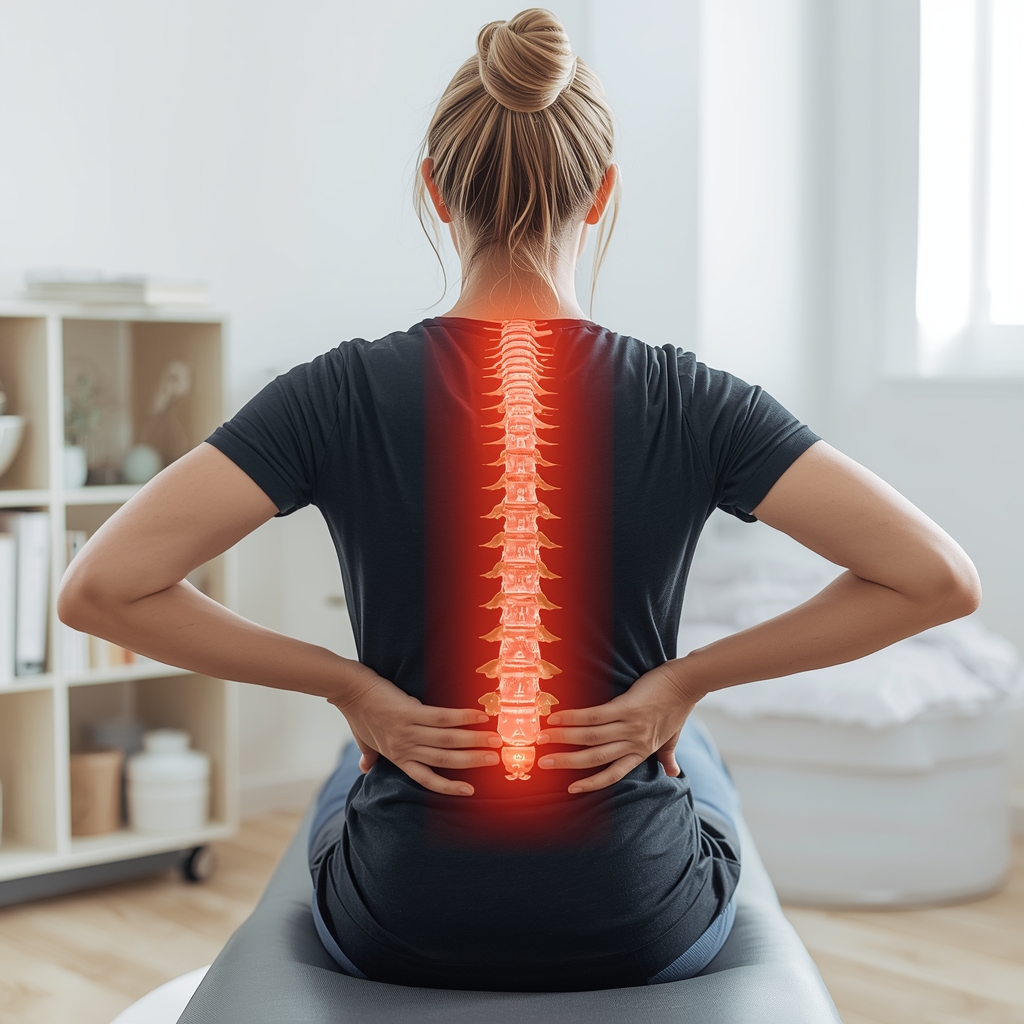
Understanding Spinal Stenosis and Non-Surgical Goals
Lumbar spinal stenosis occurs when the spinal canal narrows, compressing nerves and causing pain, numbness, or weakness in the lower back and legs. While surgery is an option for severe cases, many patients seek non-surgical approaches to manage symptoms and improve mobility. Conservative care focuses on reducing pressure on nerves, enhancing flexibility, and strengthening supporting muscles. Techniques like spinal mobilization aim to restore natural movement, alleviate discomfort, and delay or avoid surgical intervention. A chiropractor can assess individual needs and develop a personalized plan, combining manual therapies, exercises, and lifestyle adjustments. The goal is to enhance quality of life while minimizing reliance on medication or invasive procedures.
Spinal Adjustments and Manipulation Techniques
Spinal adjustments, a cornerstone of chiropractic care, involve precise, controlled forces to realign the spine and relieve nerve pressure. For lumbar stenosis, these techniques may help improve joint mobility and reduce inflammation. Chiropractors often use diversified or mobilization techniques to gently reposition vertebrae, potentially easing compression on spinal nerves. While adjustments are not a cure, many patients report reduced pain and improved function. It’s important to note that these methods should be performed by a licensed professional to ensure safety. Patients should discuss their medical history and symptoms with their chiropractor to determine the most suitable approach. Regular sessions may be recommended to maintain progress and prevent symptom recurrence.
Decompression Therapy for Nerve Relief
Spinal decompression therapy is a non-invasive technique that uses gentle traction to create space between vertebrae, relieving pressure on nerves. This method is often used for conditions like lumbar stenosis, where nerve compression causes pain. By reducing mechanical stress on the spinal column, decompression can alleviate symptoms and promote healing. Some chiropractors integrate this therapy with other modalities, such as heat or electrical stimulation, to enhance outcomes. While research on its effectiveness varies, many patients find it beneficial for managing chronic discomfort. As with any treatment, results depend on individual factors, and a chiropractor can help determine if decompression therapy aligns with a patient’s overall care plan.
Soft Tissue and Myofascial Release
Soft tissue therapies, including myofascial release, target tight muscles and connective tissues that may contribute to spinal stenosis symptoms. These techniques help reduce muscle tension, improve blood flow, and enhance spinal stability. Chiropractors may use hands-on manipulation, massage, or tools like foam rollers to address areas of restriction. By loosening surrounding muscles, these methods can indirectly relieve nerve pressure and improve posture. Patients often report decreased pain and increased range of motion after consistent sessions. It’s crucial to work with a trained professional to avoid overexertion. Combining soft tissue work with other conservative strategies can create a holistic approach to symptom management.
Exercise and Posture Correction
Strengthening and stretching exercises play a vital role in managing lumbar stenosis. Core-strengthening routines, such as planks or pelvic tilts, can stabilize the spine and reduce strain on affected areas. Flexibility exercises, like yoga or gentle stretching, may also ease discomfort by improving mobility. Proper posture is equally important; chiropractors often guide patients on ergonomic adjustments for sitting, standing, and sleeping. A tailored exercise program, developed in consultation with a healthcare provider, can enhance long-term outcomes. Patients should avoid high-impact activities that exacerbate symptoms and focus on low-impact, controlled movements. Consistency is key, as regular practice can lead to sustained relief and better spinal health.
Integrating Lifestyle Changes for Long-Term Management
Lifestyle modifications complement chiropractic care by addressing factors that worsen lumbar stenosis. Weight management, for instance, reduces stress on the spine, while smoking cessation improves circulation and healing. Ergonomic adjustments at work and home can prevent posture-related strain. Chiropractors may also recommend supportive footwear, proper lifting techniques, and regular movement breaks. Sleep hygiene is another consideration, as certain positions can aggravate symptoms. By adopting these habits, patients can enhance the effectiveness of manual therapies and exercises. A multidisciplinary approach, combining professional care with daily practices, offers the best chance for long-term symptom control and improved well-being.













