
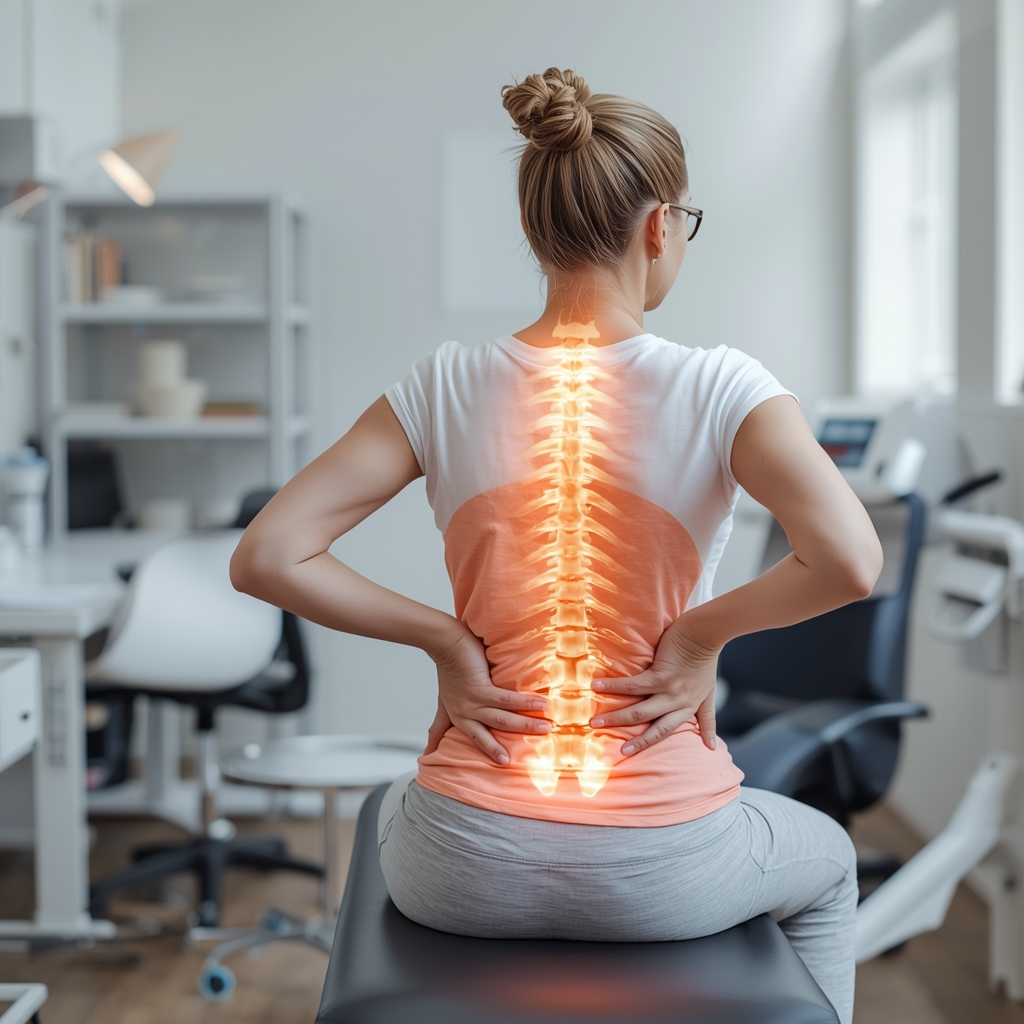
Understanding Lumbar Spinal Stenosis and Non-Surgical Options
Lumbar spinal stenosis occurs when the spinal canal in the lower back narrows, compressing nerves and causing pain, numbness, or weakness. While surgery is an option for severe cases, many patients seek non-surgical chiropractic care to manage symptoms and improve mobility. Chiropractic interventions focus on reducing pressure on the spine, enhancing alignment, and promoting natural healing. Techniques such as spinal adjustments, decompression therapy, and soft tissue work are commonly used. These approaches aim to alleviate discomfort and restore function without invasive procedures. Patients often report gradual improvements in movement and quality of life. However, outcomes vary based on individual factors, including the severity of the condition and adherence to treatment plans. A chiropractor can assess a patient’s unique needs and recommend a tailored approach to address their specific challenges.
Common Non-Surgical Chiropractic Techniques for Spinal Stenosis
Chiropractors employ several non-surgical methods to help patients with lumbar spinal stenosis. Spinal adjustments, or manipulations, are used to realign the vertebrae and reduce nerve compression. Decompression therapy involves gently stretching the spine to create space between discs, easing pressure on affected nerves. Soft tissue therapies, such as myofascial release or trigger point therapy, target muscle tension that may exacerbate symptoms. Additionally, corrective exercises and posture training can strengthen core muscles, improving spinal stability. These techniques work together to enhance mobility and reduce pain. Patients often experience relief within weeks, though progress depends on the condition’s severity and the consistency of care. It’s important to note that these interventions are part of a broader treatment plan, which may include lifestyle modifications and referrals to other healthcare professionals.
Patient Case Study: Outcomes and Recovery Timeline
A 62-year-old patient with lumbar spinal stenosis reported significant improvements after six weeks of non-surgical chiropractic care. Initially, they experienced chronic lower back pain and difficulty walking. The treatment plan included weekly spinal adjustments, decompression sessions, and targeted soft tissue work. By week two, the patient noted reduced pain and increased flexibility. After four weeks, they could walk longer distances without discomfort. By the six-week mark, their mobility had improved substantially, allowing them to resume daily activities. While individual results vary, this case highlights the potential of chiropractic care to enhance recovery. Patients should expect gradual progress, with consistent visits and adherence to home exercises. Long-term maintenance may be necessary to sustain benefits. A chiropractor can monitor progress and adjust the treatment plan as needed to ensure optimal outcomes.
How Chiropractic Care Complements Other Treatments
Chiropractic care often works alongside other therapies to manage lumbar spinal stenosis. Physical therapy, for instance, can strengthen muscles and improve flexibility, while chiropractic adjustments address structural imbalances. Pain management strategies, such as heat therapy or anti-inflammatory medications, may also be used in conjunction with chiropractic interventions. This integrative approach can enhance overall effectiveness, reducing reliance on medications or surgery. Patients should communicate with their healthcare team to ensure all treatments align and avoid conflicts. For example, decompression therapy might be combined with targeted exercises to maximize spinal relief. By coordinating care, patients can achieve more comprehensive symptom management. Chiropractors may also refer patients to specialists if additional support is needed, ensuring a well-rounded treatment strategy.
Long-Term Management and Preventive Strategies
Maintaining improvements after initial treatment requires long-term management and preventive measures. Chiropractors often recommend regular check-ups to monitor spinal health and address emerging issues early. Patients may also benefit from ongoing corrective exercises to strengthen core muscles and support the spine. Lifestyle adjustments, such as ergonomic modifications at work or during daily activities, can reduce strain on the lower back. Staying physically active with low-impact exercises like swimming or walking helps maintain mobility. Additionally, maintaining a healthy weight减轻s pressure on the spine. Patients should avoid prolonged sitting or repetitive motions that exacerbate symptoms. By combining chiropractic care with proactive habits, individuals can minimize flare-ups and sustain their quality of life. A chiropractor can provide guidance on personalized strategies to support long-term wellness.
Conclusion and Recommendations for Patients
Non-surgical chiropractic interventions offer a viable option for managing lumbar spinal stenosis and improving mobility. Techniques like spinal adjustments, decompression therapy, and soft tissue work can alleviate symptoms and enhance function. While recovery timelines vary, many patients experience noticeable improvements within weeks. It’s essential to consult a qualified chiropractor to develop a personalized treatment plan. Patients should also communicate with their healthcare providers to ensure all approaches are coordinated. Consistency and adherence to recommended exercises are key to long-term success. By exploring non-surgical options, individuals can take an active role in their recovery. Chiropractic care, when integrated with other therapies, provides a holistic approach to managing spinal stenosis and promoting overall well-being.















