
Understanding Lumbar Spinal Stenosis and Non-Surgical Options
Lumbar spinal stenosis occurs when the spinal canal in the lower back narrows, compressing nerves and causing pain, numbness, or weakness in the legs. This condition is common in older adults and often worsens with standing or walking. While surgery is an option, many seek non-surgical approaches to manage symptoms. Spinal decompression techniques and nerve mobilization exercises are two such methods that aim to relieve pressure on nerves and improve mobility. These approaches focus on reducing inflammation, enhancing blood flow, and restoring natural spinal alignment. They are typically part of a broader treatment plan that may include physical therapy, lifestyle adjustments, and chiropractic care. Understanding these techniques can help individuals explore safer, less invasive ways to address their discomfort.
Spinal Decompression Techniques for Nerve Relief
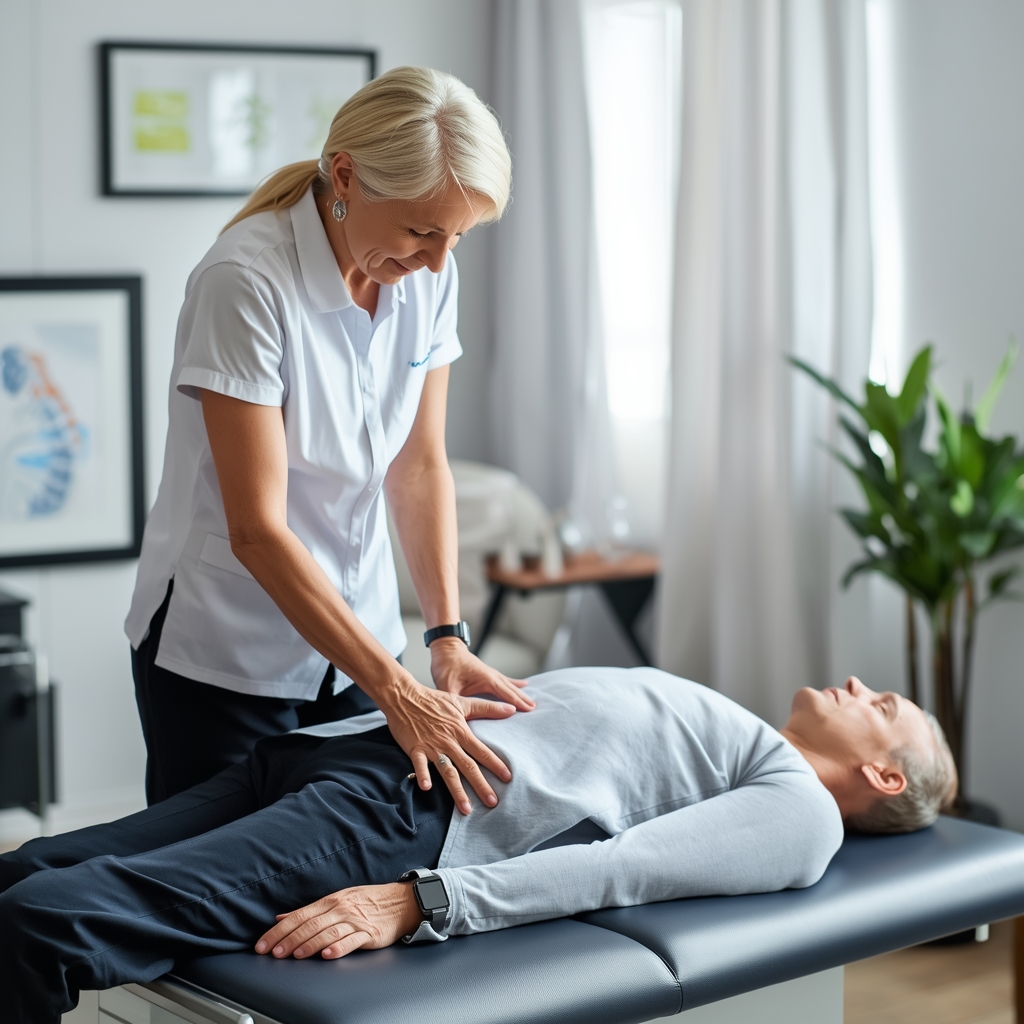
Spinal decompression therapy involves gently stretching the spine to create space between vertebrae, reducing pressure on nerves. This can be achieved through mechanical traction devices or manual adjustments by a chiropractor. By decompressing the spine, these techniques may alleviate pain caused by compressed nerves and promote healing. For older adults, this approach is often preferred due to its non-invasive nature and lower risk compared to surgery. Nerve mobilization exercises, such as controlled movements to stretch and reposition nerves, can complement decompression by improving flexibility and reducing irritation. Together, these methods may help restore function and reduce the need for medication or more aggressive interventions.
Key Nerve Mobilization Exercises for Lumbar Stenosis
Specific exercises designed to mobilize nerves can be beneficial for those with lumbar spinal stenosis. Hamstring stretches, for example, reduce tension on the sciatic nerve, which often contributes to leg pain. Pelvic tilts and cat-cow stretches help improve spinal alignment and relieve pressure on the lower back. These exercises are typically performed under the guidance of a healthcare provider to ensure proper form and avoid injury. Consistency is key, as regular practice may lead to gradual symptom improvement. It’s important to note that while these exercises can support nerve function, they should not replace professional care. A chiropractor can tailor a program to an individual’s needs, ensuring safety and effectiveness.
Combining Decompression and Mobilization for Optimal Results
Integrating spinal decompression with nerve mobilization exercises often yields better outcomes than either method alone. Decompression creates space for nerves to function properly, while mobilization exercises enhance their flexibility and reduce irritation. This dual approach may help alleviate pain, improve mobility, and prevent further degeneration. For older adults, this combination can be particularly valuable, as it supports long-term spinal health without the risks of surgery. A chiropractor can design a personalized protocol, balancing these techniques with other therapies like soft tissue work or posture correction. Patients may notice improvements in walking endurance and reduced nighttime discomfort, though results vary based on individual factors.
Safety Considerations and Professional Guidance
While spinal decompression and nerve mobilization are generally safe, they should be performed by qualified professionals to avoid complications. Older adults with osteoporosis or other spinal conditions may require modified approaches to ensure safety. A chiropractor will assess an individual’s medical history and current symptoms before recommending these techniques. It’s also crucial to communicate any discomfort during exercises, as adjustments may be needed. These methods are not a substitute for medical evaluation, and persistent symptoms should be discussed with a healthcare provider. By working with a trusted professional, patients can safely explore these options while prioritizing their overall well-being.
Conclusion: Exploring Non-Surgical Pathways
For older adults with lumbar spinal stenosis, non-surgical options like spinal decompression and nerve mobilization offer promising ways to manage symptoms and improve quality of life. These techniques address the root causes of nerve compression and promote natural healing without the risks of invasive procedures. While they are not a universal solution, many find relief through a tailored approach that includes these methods. Consulting a chiropractor is essential to determine the best course of action, as individual needs vary. By staying informed and proactive, patients can make empowered decisions about their care and explore effective, conservative treatments.













