
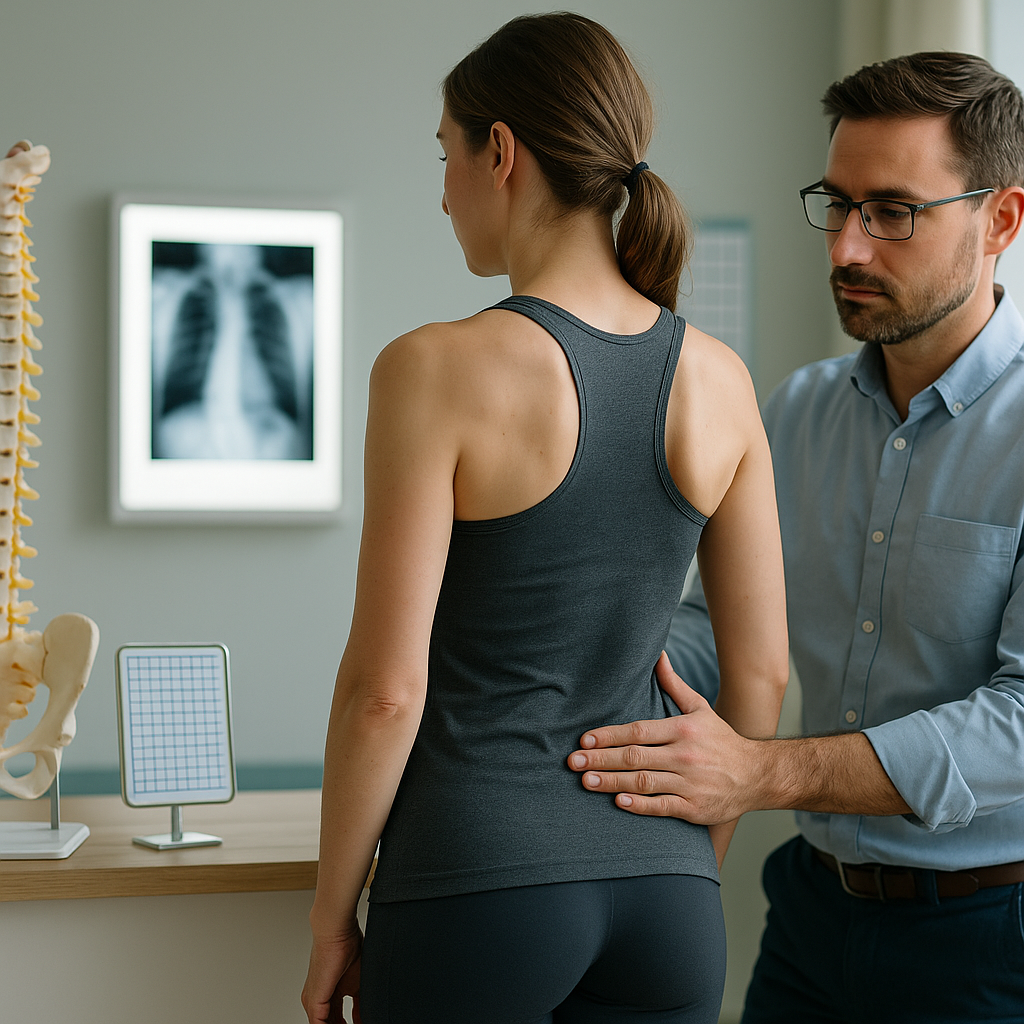
Understanding Scoliosis and How Chiropractic Care Can Help
Scoliosis is a condition characterized by an abnormal lateral curvature of the spine, affecting millions of people worldwide. While it is commonly diagnosed during childhood and adolescence, scoliosis can develop at any stage of life and may lead to discomfort, reduced mobility, and in more severe cases, significant postural changes. For those seeking non-surgical approaches to managing this condition, consulting a scoliosis chiropractor has become an increasingly popular and well-regarded option.
Chiropractic care offers a holistic, non-invasive approach to curved spine treatment that focuses on improving spinal alignment, reducing pain, and enhancing overall quality of life. Rather than simply masking symptoms, chiropractic treatment aims to address the root causes of discomfort associated with spinal curvature and support long-term spinal health.
What Happens During a Chiropractic Assessment for Scoliosis?
Before any treatment begins, a qualified chiropractor will conduct a comprehensive evaluation to fully understand the nature and severity of the patient’s spinal curvature. This initial assessment typically involves the following steps:
- Postural Analysis: The chiropractor examines the patient’s posture from multiple angles to identify visible signs of spinal imbalance, uneven shoulder height, or hip asymmetry.
- Orthopedic and Neurological Testing: These tests help determine how the curvature is affecting nerve function, muscle strength, and reflexes.
- Range of Motion Evaluation: The chiropractor measures how freely the patient can move their spine to identify areas of restriction or stiffness.
- Radiographic Imaging: In many cases, X-rays are used to precisely measure the degree of spinal curvature using the Cobb angle method, which is the standard clinical measurement for scoliosis severity.
This detailed assessment allows the chiropractor to design a personalized treatment plan that is appropriate for the patient’s specific type and degree of scoliosis, as well as their age, overall health, and lifestyle.
Core Chiropractic Techniques Used in Scoliosis Management
Effective spinal curvature chiropractic treatment typically involves a combination of techniques tailored to each individual. The following are among the most commonly employed approaches:
1. Spinal Adjustments and Manipulation
Spinal adjustments are the cornerstone of chiropractic care. Using controlled, precise force applied to specific vertebrae, a chiropractor can help restore proper alignment, reduce joint restrictions, and alleviate nerve pressure. For scoliosis patients, these adjustments are carefully adapted to account for the curvature and are never applied in a way that could worsen the condition. The goal is to improve spinal mobility and reduce the musculoskeletal tension that often accompanies an abnormal curvature.
2. Soft Tissue Therapy
Scoliosis frequently causes uneven muscle tension throughout the back, with some muscles becoming overstretched while others become excessively tight. Soft tissue therapy, including myofascial release and trigger point therapy, helps to relax overactive muscles and restore balance to the musculature surrounding the spine. This not only reduces pain but also supports the effectiveness of spinal adjustments.
3. Rehabilitative Exercises and Stretching
A qualified scoliosis chiropractor will often incorporate targeted exercises and stretching routines into the treatment plan. These exercises are designed to strengthen the core and paraspinal muscles that support the spine, improve flexibility, and encourage better postural habits. Consistent participation in a customized exercise programme can help slow the progression of the curve and improve the patient’s functional capabilities.
4. Postural Retraining
Poor posture can exacerbate the symptoms associated with scoliosis and may contribute to the progression of spinal curvature. Chiropractors often provide detailed guidance on proper posture during everyday activities such as sitting, standing, and sleeping. Postural retraining is an integral component of comprehensive scoliosis management, empowering patients to take an active role in their own recovery and maintenance.
5. The Scoliosis-Specific Chiropractic Approach (SCC)
Some chiropractors are trained in specialized scoliosis-specific protocols, such as the CLEAR Scoliosis Institute method or the Pettibon System. These evidence-informed approaches involve a combination of spinal adjustments, neuromuscular re-education, and customized rehabilitation exercises specifically designed for scoliosis patients. They represent a more targeted form of care that goes beyond standard chiropractic treatment and has demonstrated promising results for many individuals.
Can Chiropractic Care Correct Scoliosis Completely?
It is important to maintain realistic expectations when exploring chiropractic options for scoliosis. While chiropractic care has shown considerable effectiveness in managing pain, improving function, and potentially slowing the progression of spinal curvature, it is generally not considered a complete cure for structural scoliosis. The degree of improvement achievable through chiropractic treatment depends on several factors, including:
- The severity and type of scoliosis (idiopathic, degenerative, or functional)
- The patient’s age and skeletal maturity
- The consistency and duration of treatment
- The patient’s commitment to home exercises and lifestyle modifications
For mild to moderate cases of scoliosis, many patients experience significant relief from pain and noticeable improvements in their quality of life following a course of chiropractic treatment. In more severe cases, chiropractic care may be used as a complementary approach alongside medical interventions such as bracing or, in extreme cases, surgical evaluation.
Additional Resources
- NIH overview of spinal manipulation
- MedlinePlus back pain resources
- NINDS low back pain information
- What is the risk of chiropractic treatment for people with osteoporosis?
- What is the chiropractic treatment for flat feet and its effects on the spine?
- What are the regions of the spine in chiropractic terms?











