
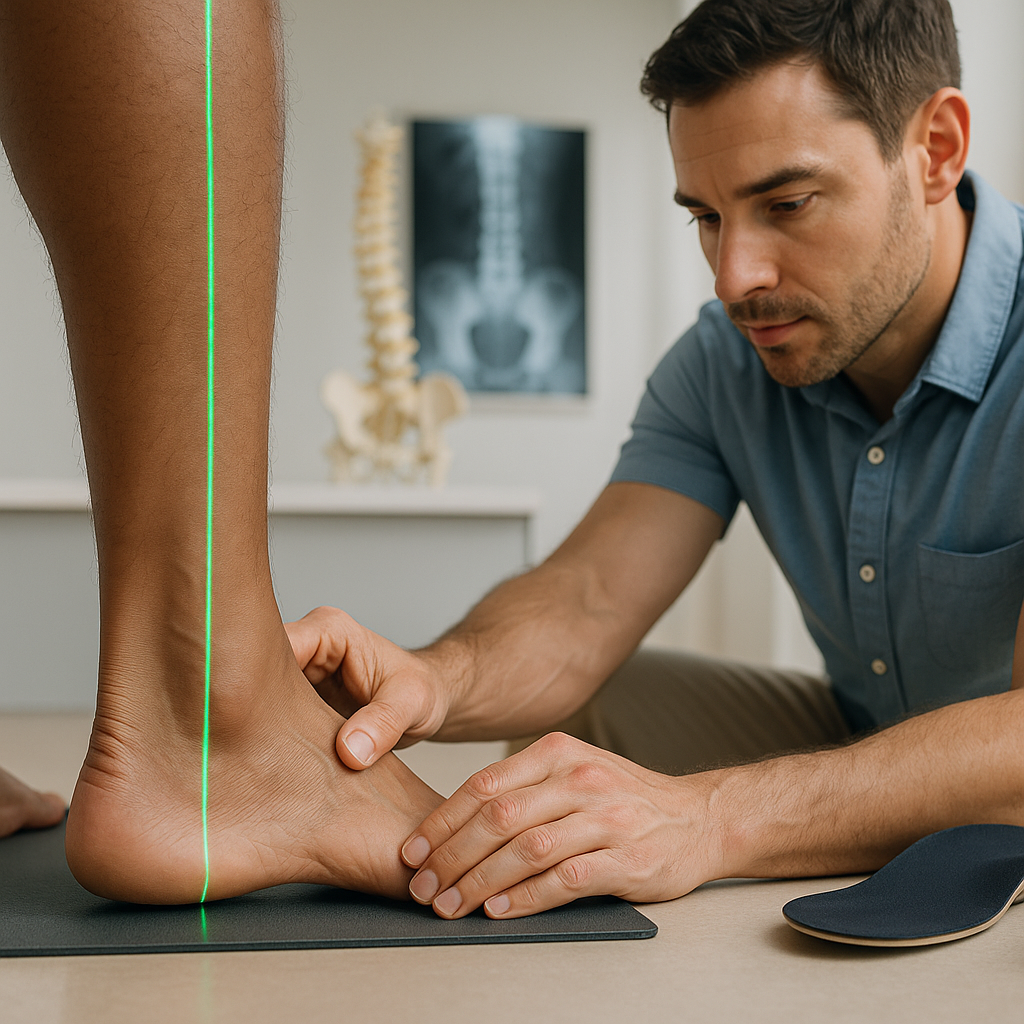
Understanding Flat Feet and Their Connection to Spinal Health
Flat feet, also known as fallen arches, is a condition in which the arches of the feet either never fully developed or gradually collapsed over time. While many people consider flat feet a minor inconvenience, the reality is far more complex. The structural misalignment that begins at the base of your body can send ripple effects upward through the ankles, knees, hips, and ultimately the spine. Understanding this connection is the first step toward appreciating why visiting a flat feet chiropractor may be one of the most effective decisions you can make for your overall musculoskeletal health.
The human foot contains 26 bones, 33 joints, and more than 100 muscles, tendons, and ligaments. When the arch collapses, this intricate system loses its ability to distribute body weight evenly. The result is a mechanical chain reaction that travels upward through the entire body, creating imbalances that can ultimately manifest as chronic back pain, hip discomfort, and postural dysfunction.
The Biomechanical Relationship Between Fallen Arches and the Spine
To fully appreciate the fallen arches spinal effects, it is essential to understand how the body functions as a kinetic chain. Every joint in the body is interconnected. When one segment is compromised, the segments above and below must compensate, often resulting in abnormal stress and strain patterns that accumulate over time.
When the arch collapses, the foot rolls inward — a movement known as overpronation. This inward rolling causes the tibia (shinbone) to rotate medially, which in turn affects the position of the femur (thighbone) in the hip socket. The pelvis then tilts to accommodate this altered alignment, which directly impacts the curvature and positioning of the lumbar spine. Over time, this cascade of compensatory movements can contribute to:
- Lumbar lordosis (excessive inward curvature of the lower back)
- Sacroiliac joint dysfunction
- Pelvic obliquity (uneven pelvic positioning)
- Scoliosis-related postural changes
- Intervertebral disc stress and degeneration
- Chronic lower back and sciatic nerve pain
This is why chiropractors who specialize in full-body biomechanical assessments are often the most qualified practitioners to address flat feet as part of a comprehensive spinal care plan.
What is the Pronation-Spine Connection?
The pronation spine connection is one of the most frequently overlooked relationships in musculoskeletal medicine. Pronation itself is a normal movement — the foot naturally rolls inward slightly during walking to absorb shock. However, when this motion becomes excessive (overpronation), it begins to alter the alignment of every structure above it.
Research has consistently shown that individuals with overpronation are significantly more likely to experience lower back pain compared to those with neutral foot mechanics. A study published in the Journal of Manipulative and Physiological Therapeutics found that correcting foot pronation through orthotics and chiropractic care led to measurable improvements in spinal alignment and a reduction in lower back pain symptoms.
The mechanism is straightforward: overpronation causes internal rotation of the lower limb, which shifts the pelvis anteriorly. This anterior pelvic tilt increases the lumbar lordotic curve, placing added compressive forces on the facet joints and intervertebral discs of the lower back. Over months and years, this sustained abnormal loading can accelerate disc degeneration, nerve compression, and muscular imbalance throughout the back and core musculature.
How Chiropractors Diagnose and Assess Flat Feet
When you visit a flat feet chiropractor, the assessment process extends well beyond simply looking at the foot. A qualified chiropractic professional takes a comprehensive approach that evaluates the entire kinetic chain from the ground up. This typically involves:
- Postural analysis: Observing how you stand and distribute weight, identifying asymmetries in shoulder height, hip level, and head position.
- Gait analysis: Evaluating how you walk to identify overpronation patterns, limb length discrepancies, and compensatory movement strategies.
- Foot examination: Assessing arch height, foot flexibility, and the degree of pronation present.
- Spinal assessment: Identifying areas of vertebral subluxation (misalignment), restricted joint motion, and areas of muscular tension that may be related to foot mechanics.
- Orthopedic and neurological testing: Ruling out other contributing conditions and assessing nerve function when necessary.
- Imaging studies: X-rays may be used to evaluate the degree of structural collapse and spinal alignment in more complex cases.
This thorough diagnostic process allows the chiropractor to develop a personalized treatment plan that addresses not only the feet themselves but also the secondary effects on the spine and surrounding structures.
Chiropractic Treatment Approaches for Flat Feet
Chiropractic care for flat feet is multi-dimensional. Rather than focusing on a single intervention, a skilled chiropractor will typically combine several therapeutic strategies to restore proper function and alignment throughout the body.
Spinal and Extremity Adjustments
Chiropractic adjustments remain the cornerstone of care. When flat feet contribute to spinal misalignment, targeted adjustments to the lumbar spine, sacroiliac joints, and pelvis help restore normal joint mechanics, reduce nerve irritation, and alleviate associated pain. Equally important are adjustments directed at the foot and ankle complex itself.
Additional Resources
- NIH overview of spinal manipulation
- MedlinePlus back pain resources
- NINDS low back pain information
- What is the chiropractic approach to breath work and spinal health?
- What is the chiropractic approach to gut health and the spine?
- What is the risk of chiropractic treatment for people with osteoporosis?















