
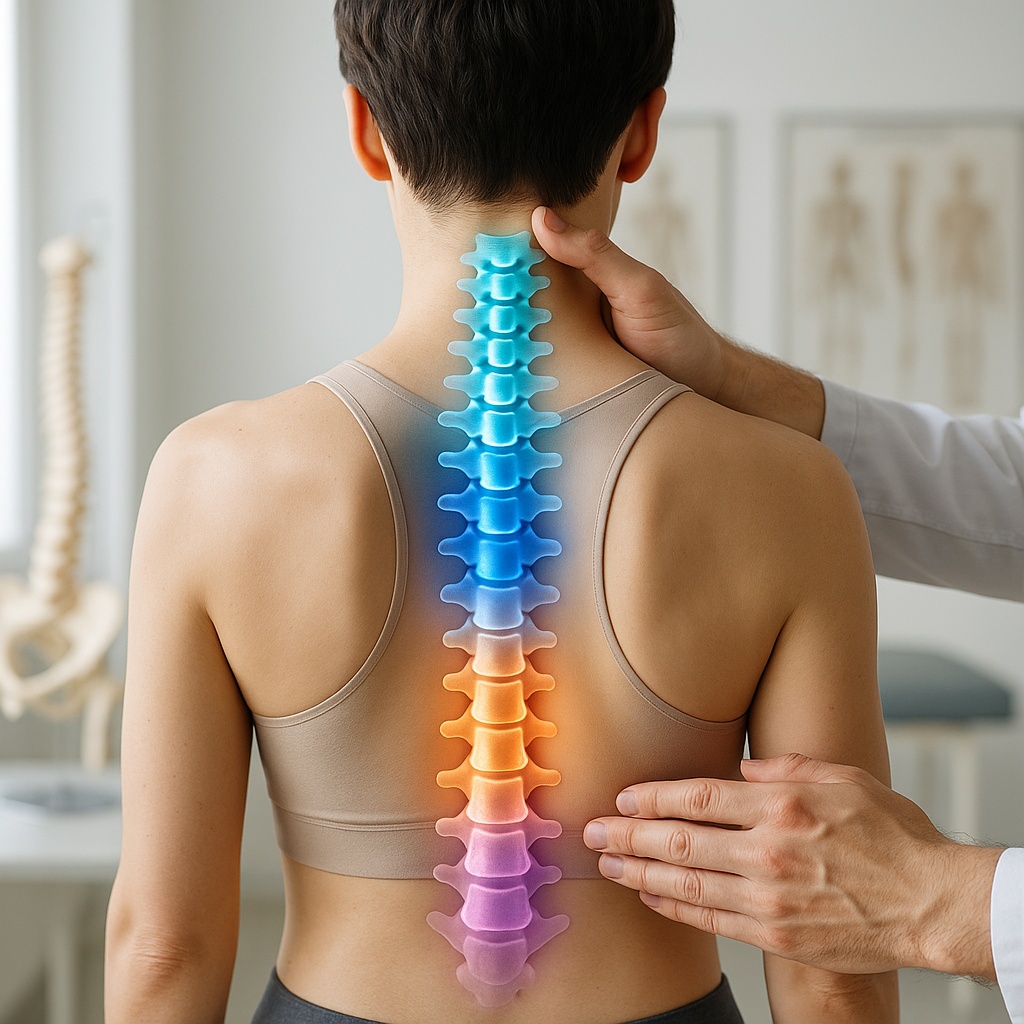
Understanding the Regions of the Spine in Chiropractic Terms
The spine is one of the most complex and vital structures in the human body. It serves as the central pillar of support, protects the spinal cord, and facilitates movement in nearly every direction. In chiropractic care, understanding the distinct regions of the spine is fundamental to diagnosing issues, developing treatment plans, and communicating effectively with patients. Each spinal segment plays a unique role in overall health and function, and chiropractors are trained to assess and address problems throughout all areas of the spine.
Whether you are seeking chiropractic treatment for back pain, neck discomfort, or a postural concern, knowing how the spine is divided will help you better understand your chiropractor’s assessment and recommendations. Below, we explore each of the primary spine anatomy divisions in detail.
How the Spine Is Divided: An Overview
The human spine is composed of 33 vertebrae that are organized into five distinct regions. In chiropractic terms, these spine regions are referred to consistently to identify the location of dysfunction, misalignment, or injury. The five regions are:
- Cervical Spine – The neck region
- Thoracic Spine – The mid-back region
- Lumbar Spine – The lower back region
- Sacral Region (Sacrum) – The region connecting the spine to the pelvis
- Coccygeal Region (Coccyx) – The tailbone
Each of these regions has a specific number of vertebrae, a characteristic range of motion, and unique clinical relevance in chiropractic practice. Understanding spinal segments in chiropractic care helps both practitioners and patients navigate diagnoses with greater clarity and confidence.
The Cervical Spine: The Neck Region
The cervical spine is the uppermost portion of the vertebral column and consists of seven vertebrae, labeled C1 through C7. This region begins at the base of the skull and extends down to the top of the thoracic spine. The cervical region is the most mobile segment of the entire spine, allowing for a wide range of head and neck movements including rotation, flexion, extension, and lateral bending.
The first two cervical vertebrae, C1 and C2, have specific names and functions that set them apart from the rest:
- C1 (Atlas): Supports the weight of the skull and allows the nodding motion of the head.
- C2 (Axis): Features a bony projection called the dens (odontoid process) that allows the head to rotate from side to side.
In chiropractic practice, the cervical spine is frequently addressed when patients present with headaches, neck stiffness, nerve pain radiating down the arm, or tension in the shoulders. Misalignments in this area, known as subluxations, can interfere with nerve signaling and restrict movement significantly. Chiropractors often apply precise, controlled adjustments to the cervical vertebrae to restore proper alignment and alleviate discomfort.
The Thoracic Spine: The Mid-Back Region
Descending from the cervical spine, the thoracic spine consists of twelve vertebrae labeled T1 through T12. This is the longest section of the spine and is characterized by its attachment to the rib cage. Each thoracic vertebra articulates with one or two pairs of ribs, which provides structural stability to the chest cavity and protects vital organs including the heart and lungs.
Because of its attachment to the ribcage, the thoracic spine has a considerably more limited range of motion compared to the cervical or lumbar regions. However, this stability comes with its own set of clinical concerns. The thoracic spine is a common site for:
- Mid-back pain and stiffness
- Poor posture and kyphosis (excessive rounding of the upper back)
- Rib joint dysfunction
- Nerve-related pain that wraps around the torso
Chiropractors pay close attention to the thoracic spine when treating patients who spend long hours sitting at a desk, as this region is particularly vulnerable to postural stress. Adjustments to the thoracic vertebrae can improve mobility, reduce tension, and support better overall spinal alignment. The thoracic region also has significant relevance in patients with respiratory concerns, as thoracic mobility can influence breathing mechanics.
The Lumbar Spine: The Lower Back Region
The lumbar spine is situated in the lower back and is composed of five large vertebrae labeled L1 through L5. These vertebrae are the largest and strongest in the spinal column, reflecting the enormous amount of mechanical load they bear. The lumbar region supports the majority of the body’s weight and is responsible for facilitating movements such as bending forward, extending backward, and twisting the torso.
The lumbar spine is one of the most clinically significant regions in chiropractic care. It is among the most common sites of pain and injury in the adult population. Conditions frequently associated with the lumbar spine include:
- Disc herniation: When the soft inner material of an intervertebral disc pushes through its outer casing, potentially compressing nearby nerves.
- Sciatica: Pain that radiates from the lower back through the buttocks and down one or both legs, often caused by compression of the sciatic nerve.
- Lumbar subluxations: Misalignments of the lumbar vertebrae that can cause local pain and restrict movement.
Additional Resources














