
Understanding IT Band Syndrome in Cyclists
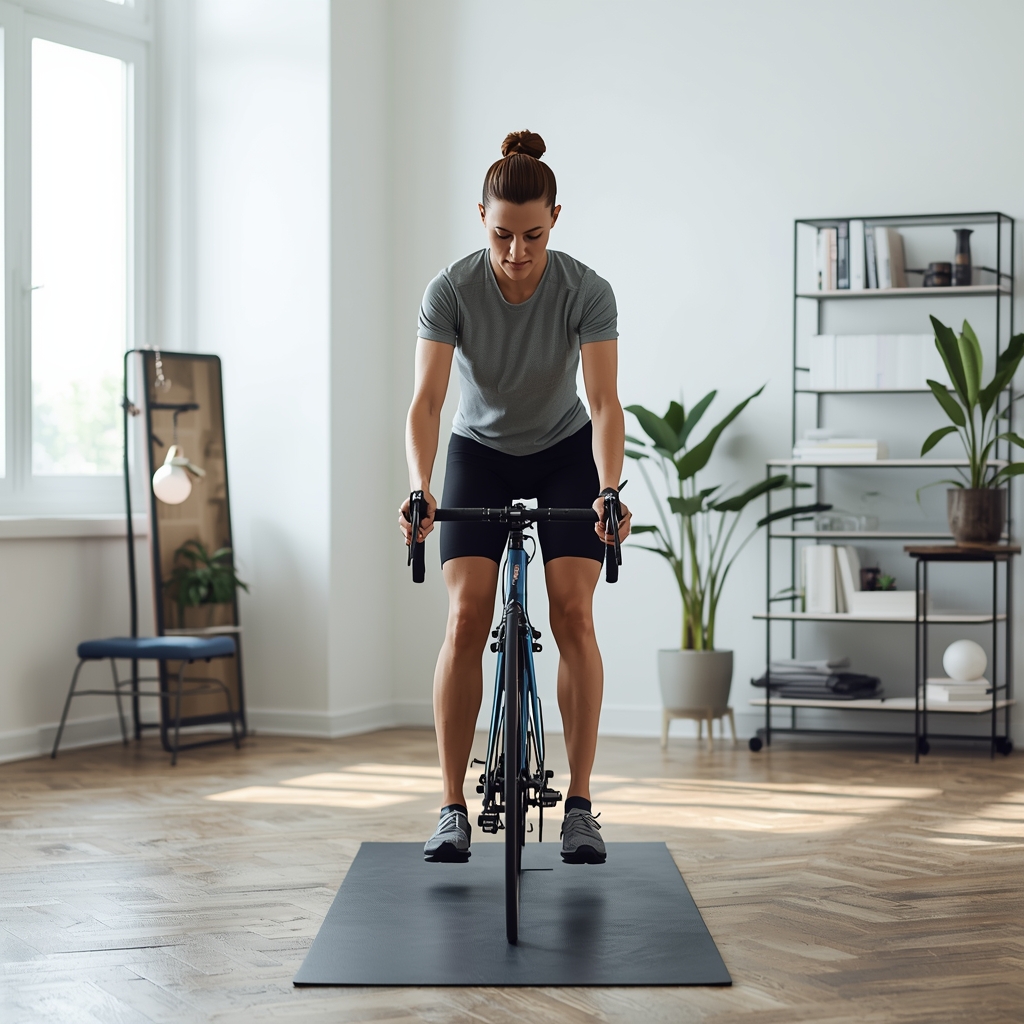
Iliotibial band syndrome (ITBS) is a common overuse injury among cyclists, characterized by pain on the outer side of the knee. The iliotibial band, a thick band of fascia running from the hip to the knee, can become irritated due to repetitive friction during cycling. Poor biomechanics, such as improper saddle height or pedal stroke mechanics, often contribute to this condition. Cyclists may also experience ITBS from tight hip flexors or weak gluteal muscles, which alter movement patterns. While runners are frequently discussed in ITBS conversations, cyclists face unique risks due to prolonged seated positions and lateral knee stress. Recognizing early symptoms—like sharp or burning pain during pedaling—is critical for prevention. Addressing these issues through targeted exercises and adjustments can reduce the risk of chronic discomfort.
Strengthening Exercises for ITBS Prevention
Strengthening the muscles surrounding the hips and thighs is essential for preventing ITBS in cyclists. Weak gluteus medius and maximus muscles can lead to excessive hip adduction, increasing strain on the iliotibial band. Exercises like clamshells, side-lying leg lifts, and banded walks target these muscles effectively. Single-leg squats and step-ups also improve stability and control during pedaling. Additionally, strengthening the quadriceps and hamstrings helps distribute force evenly across the knee joint. Cyclists should prioritize consistency, performing these exercises 2–3 times weekly. However, it’s important to avoid overtraining, which can worsen symptoms. A chiropractor can help tailor a program to individual needs, ensuring exercises align with the rider’s biomechanics and fitness level.
Mobility and Flexibility Routines
Improving mobility and flexibility reduces tension on the iliotibial band, lowering ITBS risk. Tight hip flexors and hamstrings are common culprits, so regular stretching is vital. Dynamic movements like leg swings and hip circles before rides enhance range of motion, while static stretches post-ride promote recovery. Foam rolling the IT band, quads, and glutes can alleviate muscle tightness and improve circulation. Cyclists should also focus on hip mobility exercises, such as the pigeon pose or banded hip rotations, to address imbalances. Incorporating yoga or Pilates into a routine further supports flexibility and body awareness. These practices not only prevent ITBS but also enhance overall cycling performance. However, aggressive stretching or rolling should be avoided if pain persists, as it may exacerbate the condition.
Core Stability and Postural Alignment
A strong core plays a crucial role in maintaining proper posture and reducing stress on the IT band during cycling. Weak abdominal and lower back muscles can lead to poor pelvic alignment, increasing lateral knee strain. Exercises like planks, bird dogs, and dead bugs strengthen the core while improving stability. Cyclists should also focus on hip flexor and lower back mobility to prevent compensatory movements. Proper saddle fit and handlebar positioning are equally important, as they influence posture and force distribution. A chiropractor can assess alignment issues and recommend adjustments to optimize biomechanics. By integrating core work with ergonomic bike setup, cyclists create a foundation for injury-free riding. This holistic approach ensures the body works efficiently, minimizing the risk of ITBS and other overuse injuries.
Cycling-Specific Training Adjustments
Modifying training habits can significantly reduce ITBS risk for cyclists. Varying resistance and cadence prevents repetitive stress on the IT band, while cross-training with low-impact activities like swimming or swimming helps maintain fitness without overuse. Ensuring proper bike fit—such as saddle height and cleat positioning—minimizes unnecessary lateral movement. Cyclists should also avoid prolonged high-intensity efforts without adequate recovery, as fatigue increases injury vulnerability. Gradual progression in training volume and intensity allows the body to adapt safely. Incorporating interval training with rest periods promotes resilience. However, individual needs vary, so consulting a chiropractor or sports therapist for personalized guidance is recommended. These adjustments, combined with strength and mobility work, create a balanced approach to injury prevention.
When to Seek Professional Guidance
If ITBS symptoms persist despite preventive measures, consulting a chiropractor or physical therapist is essential. A professional can identify underlying biomechanical issues, such as leg length discrepancies or muscle imbalances, that may contribute to the condition. Chiropractic care may include adjustments to improve spinal and pelvic alignment, along with soft tissue therapies to release tight structures. Customized exercise programs can address specific weaknesses or restrictions. Early intervention prevents chronic pain and reduces downtime. Cyclists should also communicate with their healthcare providers about any changes in symptoms or training routines. While self-care strategies are valuable, professional oversight ensures safe and effective management of ITBS. Prioritizing regular check-ins with a qualified provider helps maintain long-term cycling health.











