
Understanding IT Band Syndrome in Runners
Iliotibial Band Syndrome (ITBS) is a common overuse injury among runners, characterized by pain on the outer side of the knee. The iliotibial band, a thick band of fascia running from the hip to the shin, can become irritated due to repetitive friction against the femur during activities like running. Factors such as biomechanical imbalances, excessive training, or improper footwear often contribute to this condition. Runners may experience sharp or burning pain that worsens with activity, limiting performance and causing discomfort. While ITBS is typically non-structural, it can significantly impact mobility and recovery. Understanding its causes and triggers is the first step in addressing it effectively. Proper management often involves a combination of targeted interventions, including stretching, mobilization, and professional guidance to restore balance and reduce inflammation.
The Role of Stretching in ITBS Management
Stretching plays a crucial role in managing ITBS by addressing tightness in the iliotibial band and surrounding muscles. However, it is most effective when combined with other strategies, as stretching alone may not resolve the underlying causes of irritation. Dynamic and static stretches can help improve flexibility, reduce tension, and enhance blood flow to the affected area. For runners, incorporating regular stretching routines into their training can prevent further strain and support long-term recovery. It is important to note that aggressive or improper stretching may exacerbate symptoms, so guidance from a qualified professional is recommended. While stretching can alleviate some discomfort, it should be part of a broader approach that includes mobility work, strength training, and addressing biomechanical issues to achieve lasting relief.
Effective Mobilization Techniques for ITBS Relief
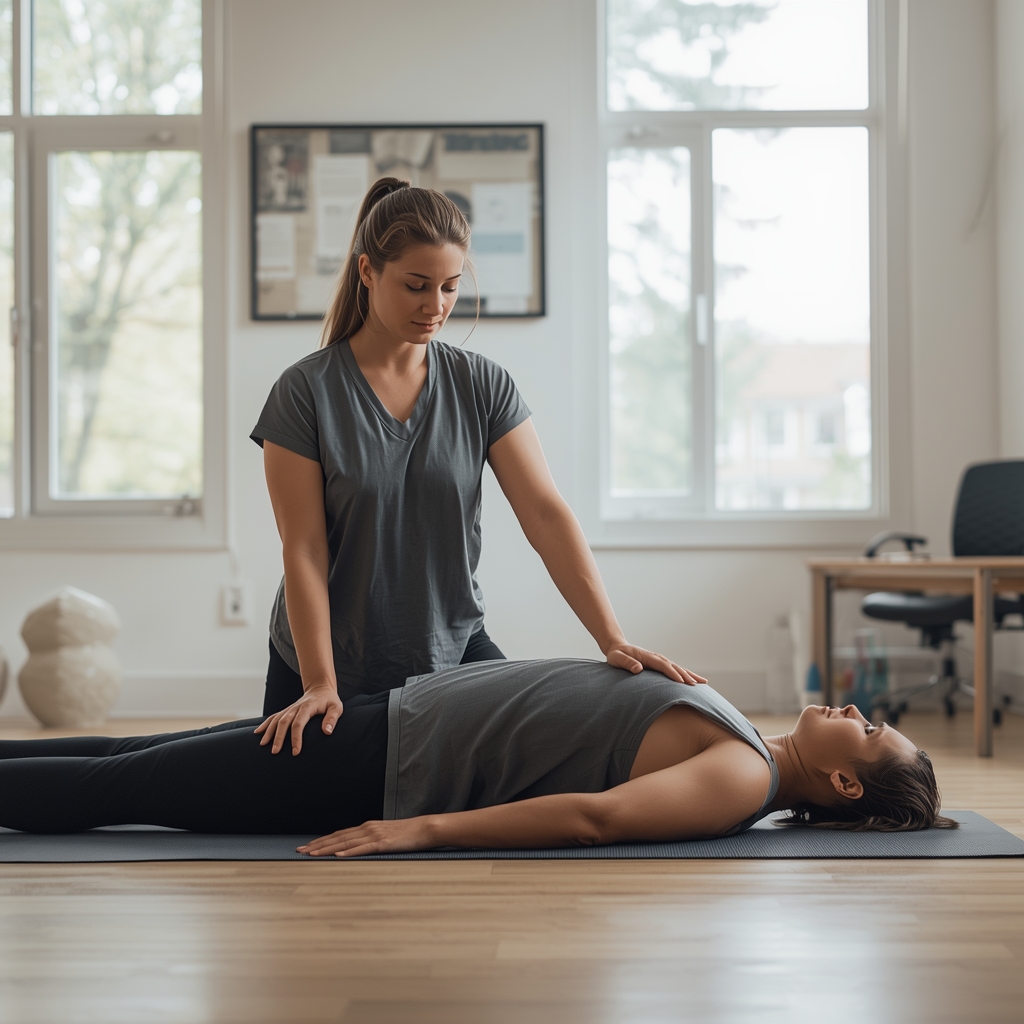
Mobilization techniques focus on improving tissue mobility and reducing restrictions in the iliotibial band and adjacent structures. Foam rolling, for instance, is a popular self-myofascial release method that can help break up adhesions and ease tension. Using a foam roller along the outer thigh, runners can target the IT band and surrounding muscles, promoting better flexibility. Massage therapy, either self-administered or performed by a professional, can also enhance circulation and reduce inflammation. Active Release Technique (ART), a specialized soft tissue therapy, may be used by chiropractors to address specific areas of tightness. These mobilization strategies, when integrated with stretching and strength training, can significantly reduce pain and improve functional movement. However, they should be tailored to individual needs, as overuse or incorrect application may lead to further discomfort.
Targeted Stretching Exercises for ITBS
Specific stretching exercises can help alleviate ITBS by addressing tightness in the iliotibial band and related muscle groups. The standing ITB stretch, for example, involves crossing one leg behind the other while leaning sideways to gently pull the band into a stretch. Foam rolling the outer thigh with a lacrosse ball or similar tool can also provide targeted relief by releasing knots and improving tissue elasticity. The figure-four stretch, which targets the hips and glutes, may indirectly ease ITBS by reducing compensatory strain on the band. Runners should perform these stretches consistently but avoid overexertion, as excessive force can worsen symptoms. While these exercises can be beneficial, they are most effective when combined with other interventions, such as strength training and professional care. A chiropractor can help identify the best stretches for an individual’s unique condition.
Integrating Mobility Work with Strength Training
Addressing ITBS requires a holistic approach that combines mobility work with strength training to correct muscular imbalances. Weakness in the hip abductors, glutes, or core muscles can contribute to ITBS by altering gait mechanics and increasing strain on the iliotibial band. Strengthening these areas through exercises like clamshells, side-lying leg lifts, or single-leg squats can improve stability and reduce overcompensation. Mobility work, such as dynamic stretches or foam rolling, complements strength training by maintaining flexibility and preventing tightness. Runners should prioritize a balanced routine that includes both elements to support long-term recovery. A chiropractor or physical therapist can design a personalized plan to address specific weaknesses and enhance overall function. Consistency and gradual progression are key to preventing recurrence and maintaining optimal performance.
When to Seek Professional Help for ITBS
If self-care strategies fail to provide relief, consulting a chiropractor or physical therapist is essential for effective ITBS management. These professionals can assess biomechanical factors, identify underlying issues, and develop a tailored treatment plan. Chiropractors may use adjustments, soft tissue therapies, or rehabilitative exercises to address imbalances and restore proper function. Physical therapists can guide runners through targeted strengthening and mobility programs to prevent future injuries. Early intervention is critical, as untreated ITBS can lead to chronic pain or complications. While stretching and mobilization are valuable tools, they should not replace professional evaluation. A qualified provider can determine the most appropriate interventions and ensure safe, effective recovery. Runners experiencing persistent discomfort should seek guidance to avoid prolonged setbacks.














