
Understanding Shin Splints and Their Recurrence
Shin splints, or medial tibial stress syndrome, are a common overuse injury among long-distance runners, characterized by pain along the inner edge of the shinbone. This condition often arises from repetitive stress on the muscles, tendons, and bone tissue in the lower leg. While initial treatment may alleviate symptoms, many runners experience recurrence due to unresolved biomechanical imbalances. Factors such as improper footwear, training errors, and underlying musculoskeletal issues can contribute to persistent pain. Chiropractic care offers a holistic approach to address these root causes, focusing on the body’s natural ability to heal when aligned properly. By integrating gait analysis with spinal adjustments, chiropractors can identify and correct movement patterns that exacerbate shin splints, reducing the likelihood of future injuries. This proactive strategy not only manages symptoms but also enhances overall running efficiency and performance.
The Role of Gait Analysis in Identifying Risk Factors
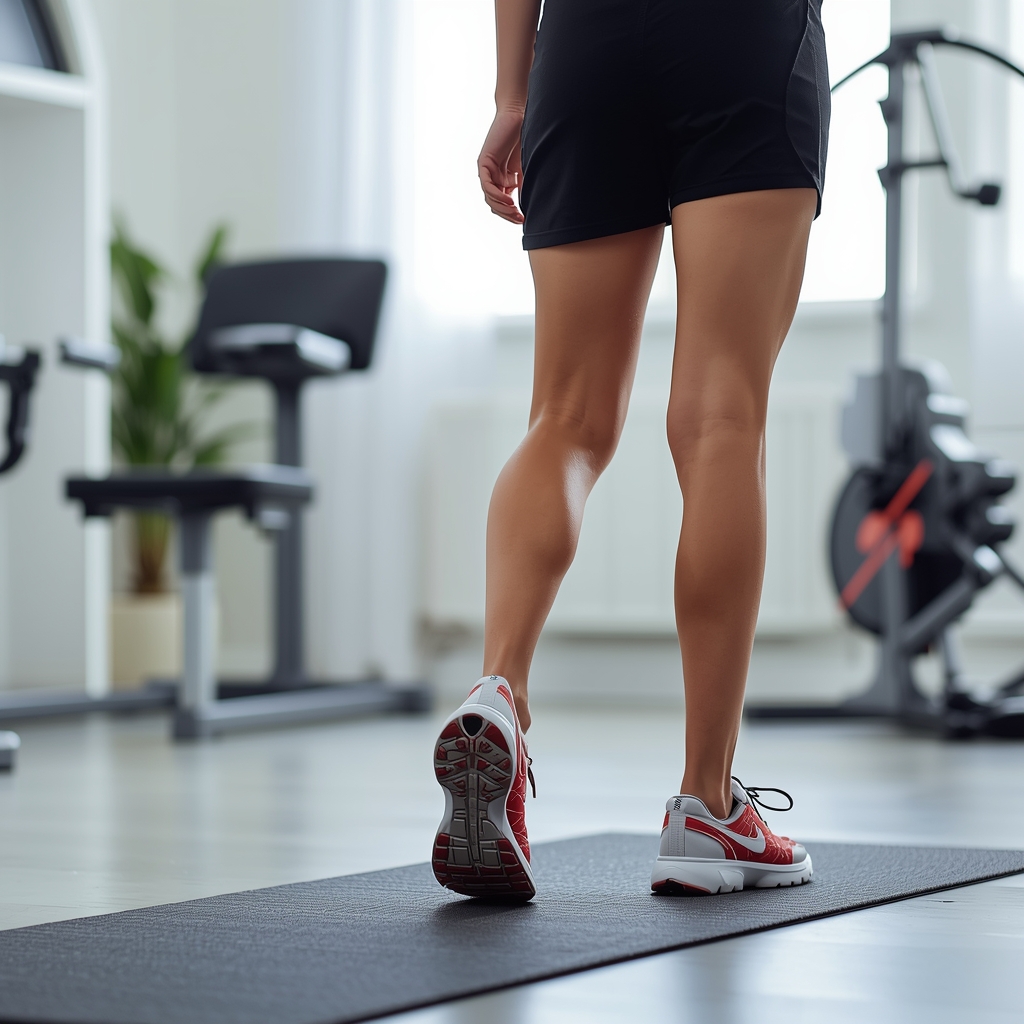
Gait analysis is a critical tool for evaluating how a runner moves and identifying biomechanical abnormalities that may contribute to shin splints. During this assessment, a chiropractor observes the runner’s foot strike, stride length, and posture, often using video analysis or pressure-sensitive mats to detect irregularities. Common issues include overpronation (excessive inward rolling of the feet), poor hip stability, or imbalanced muscle strength. These deviations can lead to excessive stress on the tibia, increasing the risk of shin splints. By pinpointing these inefficiencies, gait analysis provides a roadmap for targeted interventions. For example, if a runner’s gait causes uneven weight distribution, a chiropractor might recommend custom orthotics or specific exercises to strengthen supporting muscles. This personalized approach ensures that the runner’s movement patterns are optimized, reducing the strain on the lower legs and preventing future injuries.
How Chiropractic Adjustments Address Biomechanical Imbalances
Chiropractic adjustments play a pivotal role in correcting biomechanical imbalances that contribute to shin splints. Misalignments in the spine or joints can disrupt the body’s natural movement patterns, leading to compensatory stress on the lower legs. For instance, a subluxation in the pelvis or sacrum might alter the way a runner’s weight is distributed, increasing pressure on the tibia. By realigning these structures, chiropractors restore proper function to the musculoskeletal system, reducing the likelihood of injury. Adjustments also enhance nerve communication between the brain and muscles, improving coordination and reducing overuse. Additionally, spinal manipulations can alleviate tension in the lower back, which often radiates down to the legs. This holistic correction not only addresses immediate pain but also supports long-term musculoskeletal health, making it a valuable component of a runner’s injury prevention strategy.
Synergy Between Gait Analysis and Chiropractic Care
The combination of gait analysis and chiropractic adjustments creates a synergistic effect in preventing recurrent shin splints. Gait analysis identifies specific movement flaws, while chiropractic care addresses the underlying musculoskeletal issues contributing to these flaws. For example, if a runner’s gait analysis reveals excessive hip drop during stride, a chiropractor might adjust the pelvis to restore proper alignment, thereby improving hip stability. This integrated approach ensures that both the mechanical and neurological aspects of movement are optimized. Chiropractors may also incorporate soft tissue therapies, such as Active Release Technique, to relieve tight muscles that exacerbate gait abnormalities. By addressing these interconnected factors, runners can achieve a more balanced and efficient stride, reducing the repetitive stress that leads to shin splints. This collaborative strategy empowers athletes to train with greater confidence and fewer setbacks.
Preventive Strategies for Long-Distance Runners
Preventing recurrent shin splints requires a multifaceted approach that combines gait analysis, chiropractic care, and lifestyle adjustments. Runners should prioritize gradual training progression, avoiding sudden increases in mileage or intensity that can overwhelm the lower legs. Cross-training with low-impact activities like swimming or cycling can also reduce repetitive stress while maintaining cardiovascular fitness. Proper footwear is another critical factor—shoes that provide adequate arch support and cushioning can mitigate the forces absorbed by the shins. Chiropractic care complements these efforts by ensuring the body’s alignment and function remain optimal. Regular adjustments can prevent minor imbalances from escalating into chronic issues, while gait analysis offers ongoing insights into movement patterns. By integrating these strategies, runners can build resilience against shin splints, enabling them to maintain consistent training and achieve their performance goals.
When to Seek Professional Chiropractic Guidance
If a runner experiences persistent or recurring shin splints despite self-care measures, consulting a chiropractor is a proactive step toward long-term relief. A qualified chiropractor can conduct a comprehensive evaluation, combining gait analysis with physical exams to identify contributing factors. This assessment may reveal hidden issues such as spinal misalignments, muscle imbalances, or joint restrictions that require professional intervention. Chiropractors tailor treatment plans to each individual’s needs, incorporating adjustments, soft tissue work, and rehabilitative exercises. It’s also important to address shin splints early, as prolonged pain can lead to more severe conditions like stress fractures. By seeking guidance from a chiropractor, runners gain access to a holistic, non-invasive approach that supports both injury prevention and overall musculoskeletal health. This partnership empowers athletes to train smarter, recover faster, and reduce the risk of future injuries.













