
Running Form Corrections & Spinal Adjustments to Prevent Shin Splints in Long-Distance Runners
## Understanding Shin Splints and Their Link to Running Form
Shin splints, or medial tibial stress syndrome, are a common issue among long-distance runners, often caused by repetitive stress on the lower legs. Poor running form, such as overstriding or excessive pronation, can increase impact forces on the shins, leading to inflammation. Research suggests that biomechanical imbalances, including misalignment in the feet, ankles, or hips, contribute to this condition. Addressing these factors through form corrections may reduce strain on the tibialis anterior muscle and surrounding tissues. Runners who neglect proper technique risk chronic pain and prolonged recovery. Chiropractic care focuses on identifying and correcting these imbalances, making it a valuable tool for prevention.
## The Role of Spinal Adjustments in Preventing Shin Splints
Spinal adjustments can play a crucial role in reducing shin splints by improving overall biomechanics. A misaligned spine may alter nerve function and muscle coordination, indirectly affecting running mechanics. For example, lower back misalignments could lead to compensatory movements that stress the lower legs. Chiropractors use targeted adjustments to restore proper spinal alignment, potentially alleviating referred pain and improving posture. This holistic approach ensures the body moves efficiently, reducing unnecessary strain on the shins. While not a direct treatment for shin splints, spinal care supports the body’s natural ability to adapt to physical demands.
## How Running Form Corrections Alleviate Shin Splints
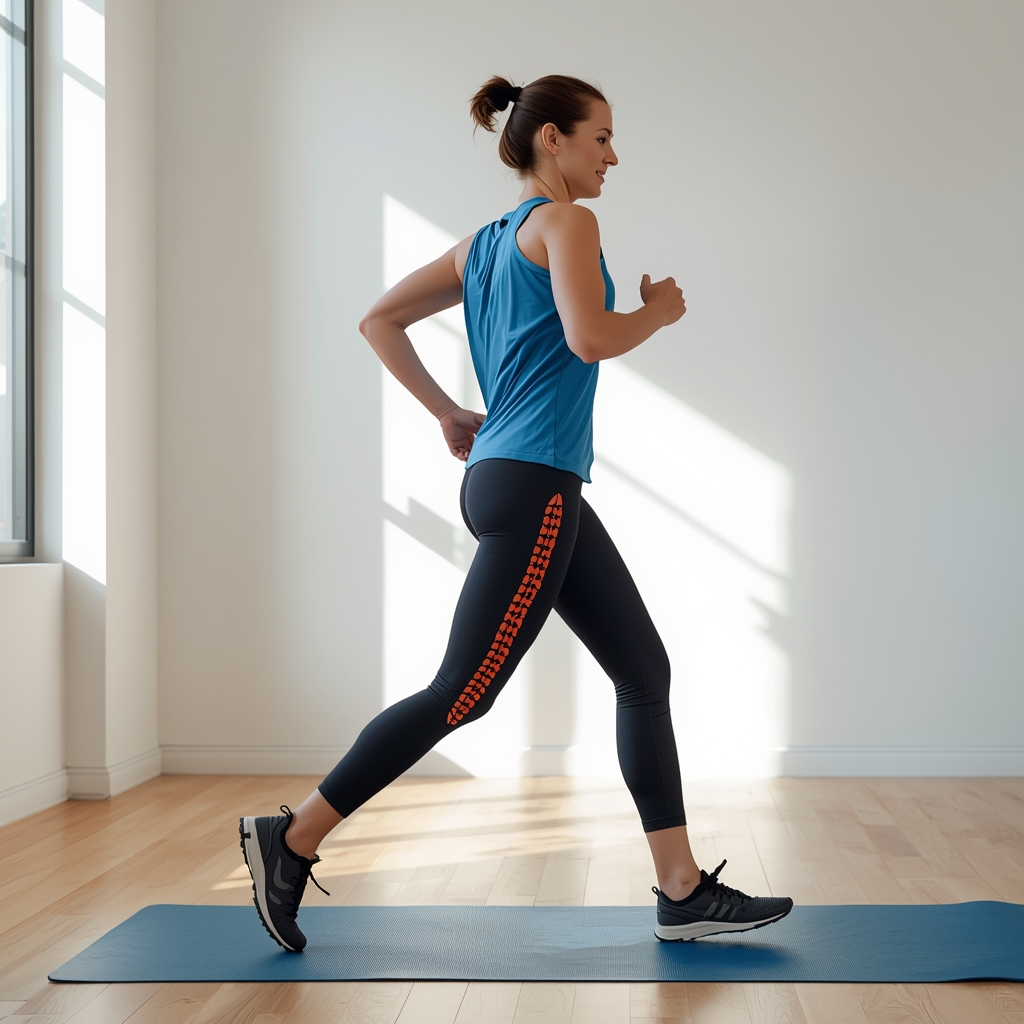
Correcting running form is a proactive strategy to prevent shin splints. Techniques such as shortening stride length, maintaining a midfoot strike, and engaging core muscles can distribute impact more evenly. Overpronation, where the foot rolls inward excessively, often leads to uneven stress on the shins. Custom orthotics or gait analysis may help address this. Strengthening exercises for the calves, hamstrings, and hips also enhance stability. Runners who prioritize form adjustments often report fewer instances of shin pain. Combining these changes with chiropractic care creates a comprehensive approach to injury prevention.
## Integrating Spinal Adjustments with Form Corrections
A synergistic approach combining spinal adjustments and form corrections offers the best results for shin splint prevention. Chiropractors may assess a runner’s posture and movement patterns to identify spinal misalignments contributing to poor form. For instance, a tilted pelvis could lead to uneven weight distribution, increasing shin strain. Adjustments restore balance, while form coaching addresses mechanical inefficiencies. This dual strategy reduces both direct and indirect causes of shin splints. Regular checkups ensure ongoing alignment and adaptability as training intensity increases, supporting long-term running health.
## When to Consult a Chiropractor for Shin Splint Prevention
Runners experiencing recurring shin pain or persistent discomfort should consider consulting a chiropractor. A professional can evaluate spinal and musculoskeletal health to identify underlying issues. Chiropractors may use diagnostic tools to assess posture, gait, and nerve function, providing personalized recommendations. They can also collaborate with physical therapists or sports trainers to create a tailored plan. Early intervention is key to preventing chronic conditions. By addressing biomechanical imbalances, chiropractic care helps runners maintain performance while minimizing injury risk.
## Long-Term Benefits of a Holistic Approach
Adopting a holistic approach to shin splint prevention offers lasting benefits for long-distance runners. Spinal adjustments and form corrections work together to enhance body efficiency, reduce injury risk, and improve overall performance. This method supports the body’s natural healing processes, promoting resilience against repetitive stress. Runners who integrate these practices often experience fewer setbacks and greater confidence in their training. Regular chiropractic care ensures ongoing alignment, while form adjustments foster sustainable running habits. By prioritizing both structural and mechanical health, runners can enjoy safer, more enjoyable long-distance experiences.












