
Understanding IT Band Syndrome in Runners
Iliotibial Band Syndrome (ITBS) is a common overuse injury among long-distance runners, characterized by pain on the outer side of the knee. The iliotibial band, a thick band of tissue running from the hip to the shin, can become inflamed due to repetitive friction against the femur. This condition often arises from biomechanical imbalances, such as improper running form, weak hip muscles, or uneven leg length. Runners with ITBS may experience discomfort during activities like running, climbing stairs, or sitting for extended periods. While rest and stretching are typical treatments, prevention is key. Understanding how gait analysis and chiropractic care can address underlying causes is crucial for long-term relief and performance. By identifying and correcting movement patterns, runners can reduce their risk of developing this painful condition.
The Role of Gait Analysis in Identifying Risk Factors
Gait analysis is a diagnostic tool used to evaluate a runner’s movement patterns, helping identify factors that may contribute to ITBS. During this process, a chiropractor or specialist observes how a runner’s feet strike the ground, their stride length, and pelvic alignment. Abnormalities such as overpronation, excessive hip drop, or uneven weight distribution can increase stress on the IT band. By pinpointing these issues, gait analysis provides a foundation for targeted interventions. For example, if a runner’s gait causes the knee to collapse inward, this can lead to IT band friction. Chiropractors use this information to develop personalized strategies, such as corrective exercises or adjustments, to restore proper biomechanics. Regular gait assessments can also track progress and ensure adjustments are effectively addressing the root causes of imbalance.
How Chiropractic Adjustments Address Biomechanical Imbalances
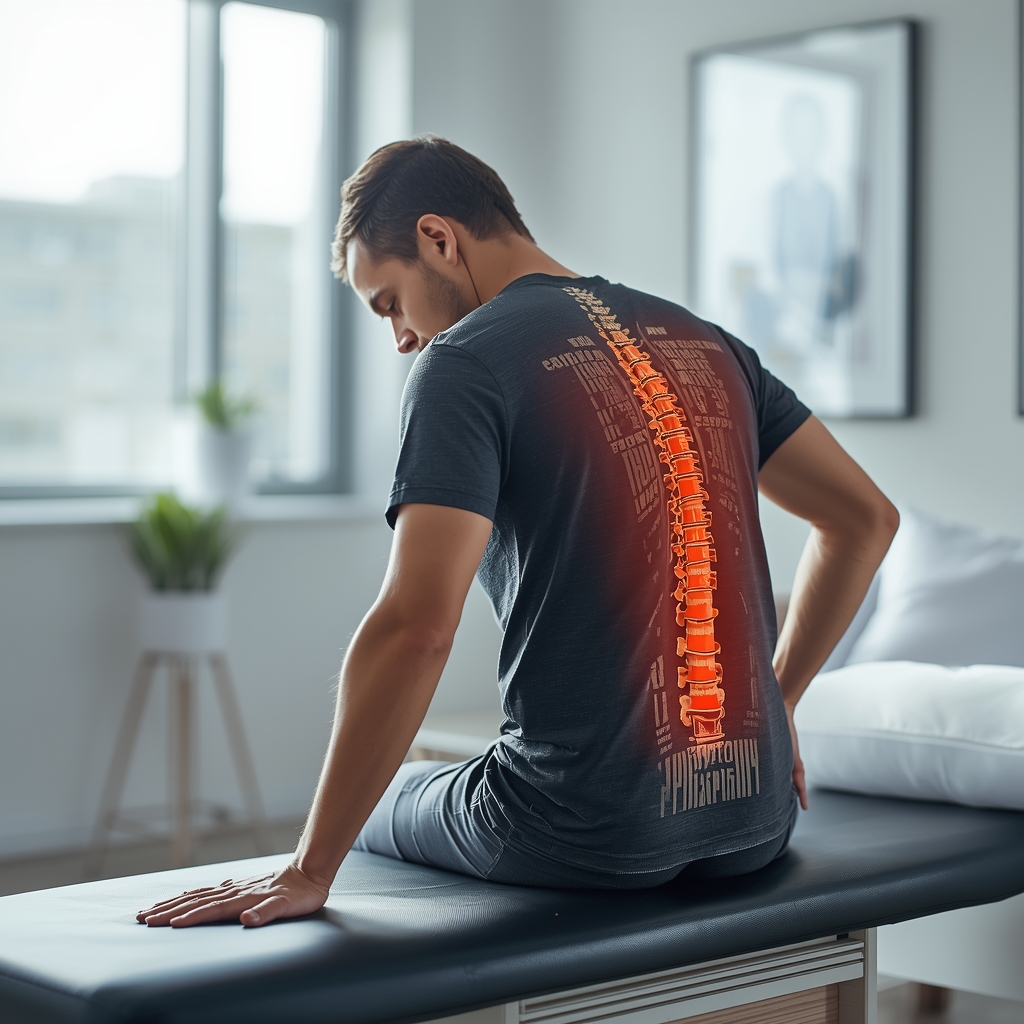
Chiropractic adjustments play a vital role in correcting biomechanical imbalances that contribute to ITBS. Misalignments in the spine, pelvis, or lower extremities can disrupt the body’s natural movement patterns, leading to increased strain on the IT band. A chiropractor may perform adjustments to realign these structures, reducing pressure and improving overall function. For instance, a misaligned pelvis can cause one leg to appear shorter, altering gait mechanics and exacerbating IT band friction. By restoring proper alignment, adjustments help the body move more efficiently, decreasing the risk of injury. Additionally, these adjustments can enhance muscle coordination and joint mobility, further supporting the runner’s ability to maintain proper form. When combined with gait analysis, chiropractic care offers a comprehensive approach to preventing and managing ITBS.
Integrating Gait Analysis with Chiropractic Care
Combining gait analysis with chiropractic care creates a synergistic approach to preventing ITBS. Gait analysis identifies specific movement irregularities, while chiropractic adjustments address the underlying structural issues causing them. For example, if a runner’s gait analysis reveals excessive hip rotation, a chiropractor might adjust the sacroiliac joint to improve stability. This integrated method ensures that both the symptoms and root causes are addressed, rather than just treating the pain. Chiropractors may also recommend supportive measures, such as custom orthotics or strengthening exercises, based on gait findings. By regularly monitoring gait patterns and adjusting as needed, runners can maintain optimal biomechanics. This proactive strategy not only prevents ITBS but also enhances overall performance and reduces the risk of other running-related injuries.
Preventive Strategies for Long-Distance Runners
Preventing ITBS requires a multifaceted approach that includes gait analysis, chiropractic care, and lifestyle adjustments. Runners should prioritize regular check-ups with a chiropractor to monitor their biomechanics and address any emerging issues before they escalate. Incorporating strength training for the hips, glutes, and core can improve stability and reduce strain on the IT band. Proper footwear and periodic replacement are also essential, as worn-out shoes can alter gait mechanics. Additionally, cross-training with low-impact activities like swimming or cycling can minimize repetitive stress on the knees. Runners should pay attention to their form, avoiding overstriding or excessive inward knee movement. By combining these strategies with gait analysis and chiropractic support, runners can significantly lower their risk of ITBS and enjoy long-term, pain-free performance.
When to Seek Professional Evaluation
If a runner experiences persistent pain on the outer knee, especially during or after activity, it’s important to consult a chiropractor for evaluation. Early intervention can prevent minor issues from developing into chronic ITBS. A professional can conduct a thorough assessment, including gait analysis and spinal examination, to identify contributing factors. They may also recommend adjustments, soft tissue therapies, or rehabilitation exercises tailored to the runner’s needs. Runners with a history of knee or hip injuries should be particularly proactive in seeking care, as these conditions can increase vulnerability to ITBS. Regular check-ups allow for ongoing monitoring and adjustments to maintain optimal biomechanics. By addressing concerns promptly, runners can stay on track with their training while minimizing the risk of debilitating injuries.














