
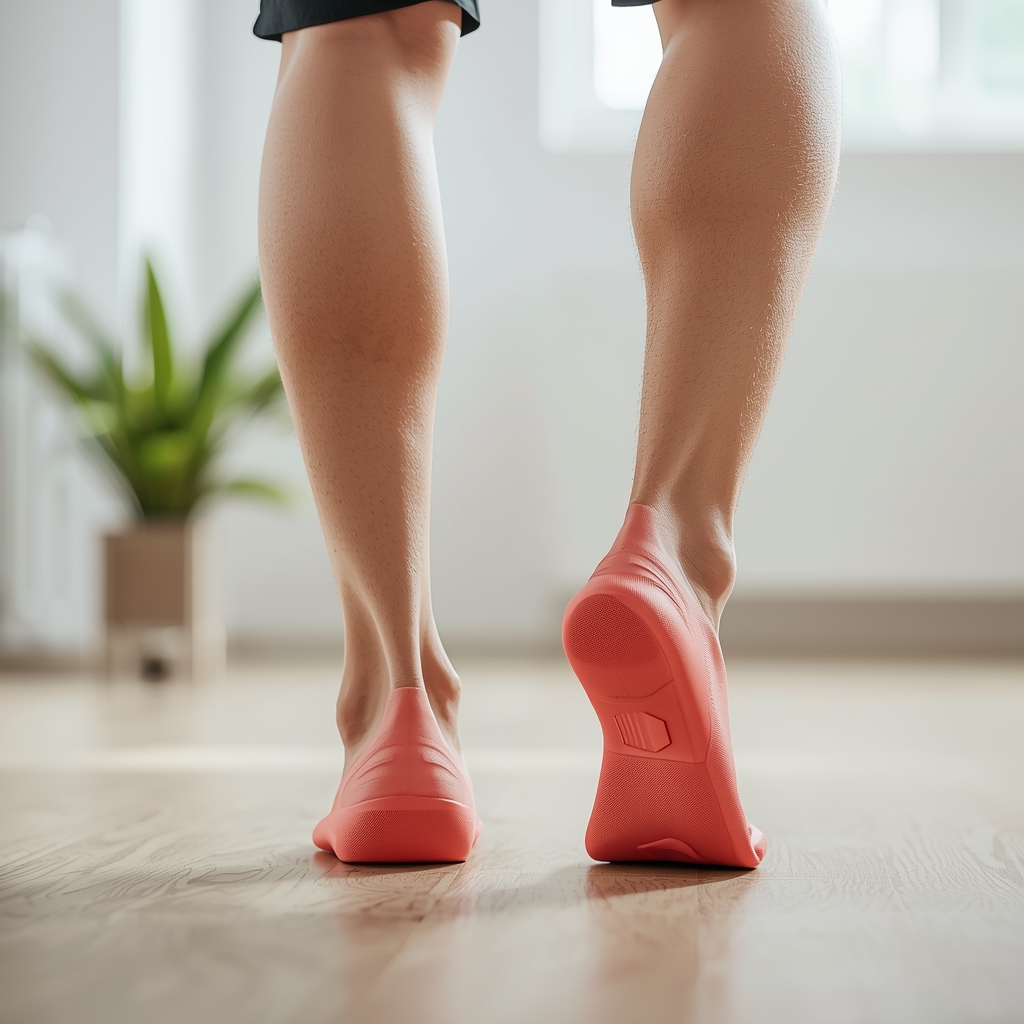
Gait Analysis: The Foundation of Injury Prevention
Gait analysis is a critical tool in identifying movement patterns that may contribute to running injuries, including iliotibial band syndrome (ITBS). By observing how a person walks or runs, chiropractors can detect biomechanical imbalances, such as overpronation, excessive hip motion, or asymmetrical limb movement. These irregularities can place undue stress on the IT band, a thick band of tissue that runs along the outside of the thigh. Chiropractors use this assessment to create a personalized plan that addresses the root causes of these imbalances. While gait analysis itself doesn’t treat ITBS, it provides essential insights that guide interventions. For example, if a runner’s gait causes the knee to collapse inward, this could lead to friction along the IT band. Understanding these patterns allows chiropractors to recommend targeted solutions, such as orthotics or strength training, to reduce injury risk.
Chiropractic Assessments: Identifying Underlying Issues
Chiropractors conduct comprehensive evaluations to assess how a runner’s body functions during movement. This includes checking for spinal misalignments, muscle imbalances, and joint restrictions that might affect gait. For instance, a misaligned pelvis or tight hip flexors can alter the way a runner lands, increasing strain on the IT band. By addressing these issues through adjustments or soft tissue work, chiropractors help restore proper biomechanics. They also consider factors like foot mechanics, leg length discrepancies, and core stability, all of which influence running form. These assessments are non-invasive and focus on the body’s natural ability to heal. When combined with gait analysis, they provide a holistic view of what might be contributing to ITBS. This approach ensures that interventions are tailored to the individual, rather than applying a one-size-fits-all solution.
The Role of Custom Orthotics in Reducing IT Band Stress
Custom orthotics are often recommended as part of a treatment plan for ITBS, especially when gait analysis reveals structural issues like overpronation or supination. These devices are designed to support the arch, align the feet, and distribute pressure more evenly during movement. By correcting foot mechanics, orthotics can reduce the rotational forces that contribute to IT band friction. For example, if a runner’s feet roll inward excessively, orthotics can provide the necessary arch support to keep the leg in a more neutral position. This helps prevent the IT band from rubbing against the femur, a common cause of pain. Chiropractors work closely with podiatrists or orthotists to ensure the orthotics are properly fitted and aligned with the patient’s gait. While orthotics alone may not resolve ITBS, they play a key role in managing symptoms and preventing recurrence when used as part of a broader care strategy.
Integrating Chiropractic Care with Gait Corrections
Chiropractic care and gait analysis work synergistically to address the multifaceted nature of ITBS. Chiropractors may use adjustments to correct spinal or pelvic misalignments that affect running mechanics, while also recommending exercises to strengthen weak muscles or stretch tight ones. For example, a runner with weak gluteal muscles might experience increased hip adduction, which can strain the IT band. By combining adjustments with targeted corrective exercises, chiropractors help restore balance. Additionally, they may incorporate soft tissue therapies, such as myofascial release, to alleviate tension in the IT band itself. This integrated approach ensures that both structural and functional issues are addressed. Patients often report improved comfort and performance after consistent chiropractic care, as their bodies become more efficient in movement. The goal is not just to treat symptoms but to enhance overall running mechanics for long-term health.
Benefits of a Chiropractic-Driven Prevention Strategy
A prevention strategy guided by chiropractic assessments offers several advantages for runners prone to ITBS. By addressing biomechanical inefficiencies early, runners can avoid the pain and downtime associated with this condition. Chiropractors emphasize proactive care, which includes regular checkups to monitor changes in gait or posture. This is particularly important as training intensity increases or as runners age, as their bodies may adapt differently over time. Custom orthotics, when combined with chiropractic adjustments, can also reduce the need for more invasive treatments like injections or surgery. Furthermore, this approach promotes overall musculoskeletal health, which benefits other areas of the body beyond the IT band. Runners who adopt this strategy often experience fewer injuries, better performance, and greater confidence in their training. It’s a holistic method that prioritizes long-term wellness over quick fixes.
Consulting a Chiropractor for Personalized Guidance
While gait analysis and orthotics can be effective tools, their success depends on proper implementation and professional guidance. A chiropractor can evaluate a runner’s specific needs and recommend the most appropriate interventions. For instance, they may suggest a combination of adjustments, orthotics, and strength training based on the individual’s biomechanics. It’s important to note that ITBS can have multiple causes, and a one-size-fits-all solution may not work for everyone. A qualified chiropractor will take a personalized approach, considering factors like running style, footwear, and training habits. They can also monitor progress and make adjustments to the treatment plan as needed. Runners experiencing IT band pain should consult a chiropractor to explore non-invasive options before considering more aggressive treatments. This collaborative approach empowers individuals to take control of their health while benefiting from expert care.













