
Understanding 3D Gait Analysis in Chiropractic Care
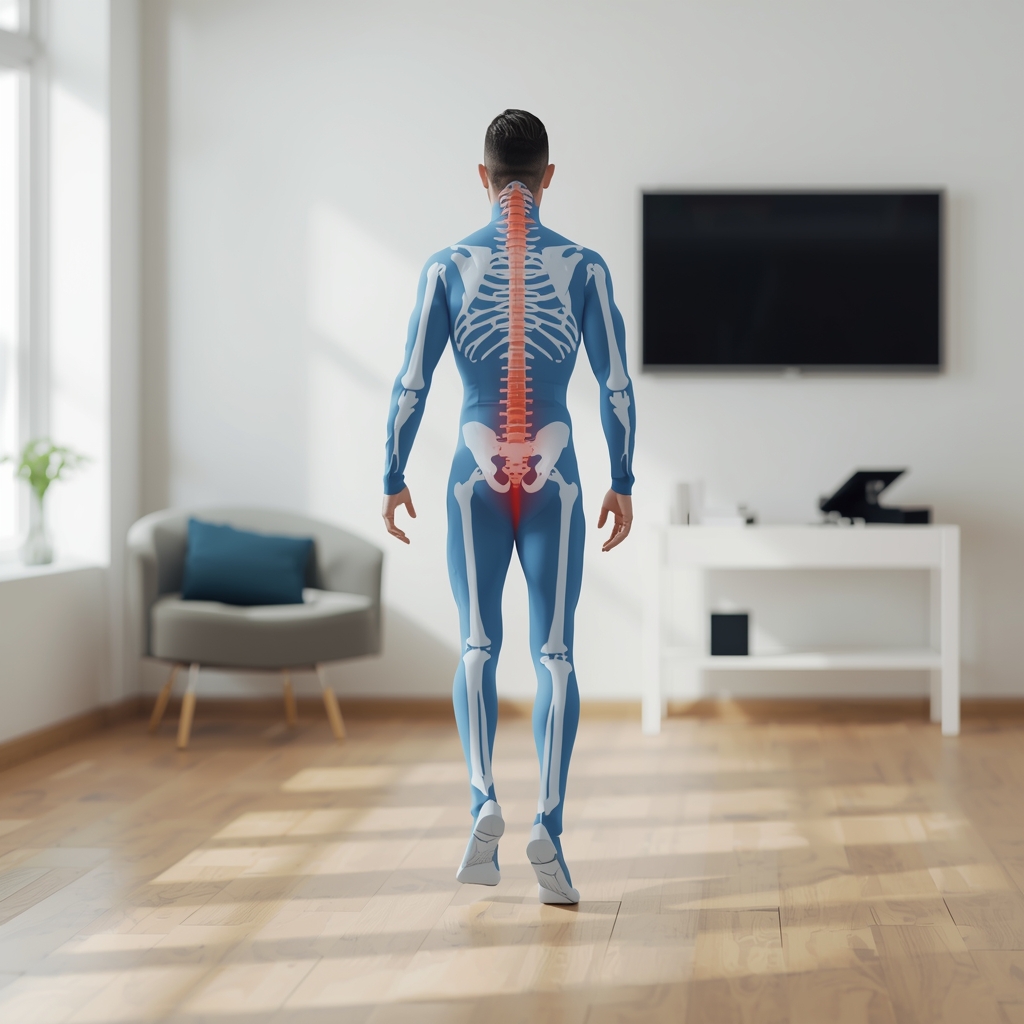
3D gait analysis is a biomechanical tool that captures movement patterns during walking or running. By using motion sensors and cameras, it creates a detailed 3D model of a patient’s gait. This technology helps chiropractors identify irregularities in movement, such as asymmetries or compensatory patterns. For patients with iliotibial band syndrome (ITBS), these insights can reveal how improper biomechanics contribute to friction along the IT band. Chiropractors use this data to move beyond surface-level assessments, addressing root causes rather than just symptoms. The goal is to create a comprehensive understanding of how a patient’s body moves, which informs more precise treatment strategies. This approach aligns with evidence-based chiropractic practices that prioritize individualized care.
Biomechanical Insights for IT Band Syndrome
ITBS often stems from repetitive friction of the IT band over the femur, exacerbated by biomechanical imbalances. 3D gait analysis highlights issues like excessive hip adduction, overpronation, or weak gluteal muscles—common contributors to ITBS. By visualizing these patterns, chiropractors can pinpoint how a patient’s movement habits strain the IT band. For example, a gait that favors one leg may create uneven stress, worsening symptoms. This data allows practitioners to correlate movement flaws with patient-reported pain, offering a clearer picture of the condition’s progression. Such insights enable chiropractors to design interventions that target specific dysfunctions, rather than applying a one-size-fits-all approach. This precision is critical for long-term relief and prevention.
Tailoring Treatment Plans to Individual Needs
With 3D gait analysis, chiropractors can customize treatment plans based on a patient’s unique biomechanics. For instance, if the analysis shows hip instability, the plan might include strength training for the glutes and hips. If overpronation is detected, orthotics or foot support may be recommended. Adjustments can also be refined to address spinal or pelvic misalignments that affect gait. Soft tissue therapies, such as Active Release Technique, may be integrated to alleviate IT band tension. By aligning interventions with specific movement flaws, chiropractors enhance treatment efficacy. This personalized approach not only addresses current symptoms but also reduces the risk of recurrence. Patients benefit from a more targeted, holistic strategy that considers their body’s specific needs.
Enhancing Recovery Through Data-Driven Adjustments
3D gait analysis provides objective data that guides chiropractors in making informed adjustments. By tracking changes in gait over time, practitioners can assess the effectiveness of treatments and adjust strategies accordingly. For ITBS, this might involve modifying spinal manipulations, soft tissue work, or rehabilitative exercises based on evolving movement patterns. The technology also helps identify when a patient’s biomechanics have improved, signaling progress toward recovery. This iterative process ensures care remains dynamic and responsive to the patient’s needs. Chiropractors can use the data to educate patients on their condition, fostering better compliance with prescribed interventions. Ultimately, data-driven adjustments lead to more predictable outcomes and faster recovery times.
Combining Gait Analysis with Other Chiropractic Techniques
3D gait analysis works synergistically with other chiropractic methods to address ITBS comprehensively. For example, findings from gait analysis can inform the use of corrective exercises to strengthen weak muscles or improve flexibility. Chiropractors may also integrate joint mobilization techniques to restore proper alignment, which can reduce strain on the IT band. Soft tissue therapies, such as Graston Technique or dry needling, can target tightness identified through gait patterns. Additionally, the analysis may highlight the need for ergonomic adjustments or lifestyle modifications. By combining these approaches, chiropractors create a multi-faceted treatment plan that addresses both structural and functional aspects of ITBS. This holistic strategy maximizes the chances of long-term relief and improved mobility.
Conclusion: The Future of Personalized ITBS Care
3D gait analysis is transforming how chiropractors approach ITBS by offering precise, individualized insights. This technology enables practitioners to move beyond traditional assessments, creating treatment plans that address the root causes of biomechanical imbalances. Patients benefit from more accurate diagnoses and targeted interventions, leading to better outcomes. While 3D gait analysis is a powerful tool, it should be used in conjunction with a chiropractor’s clinical expertise. As with any treatment, individual results may vary, and patients should consult a qualified provider to determine the best course of action. By embracing advanced diagnostics, chiropractors can provide more effective, patient-centered care for ITBS and other movement-related conditions.













