
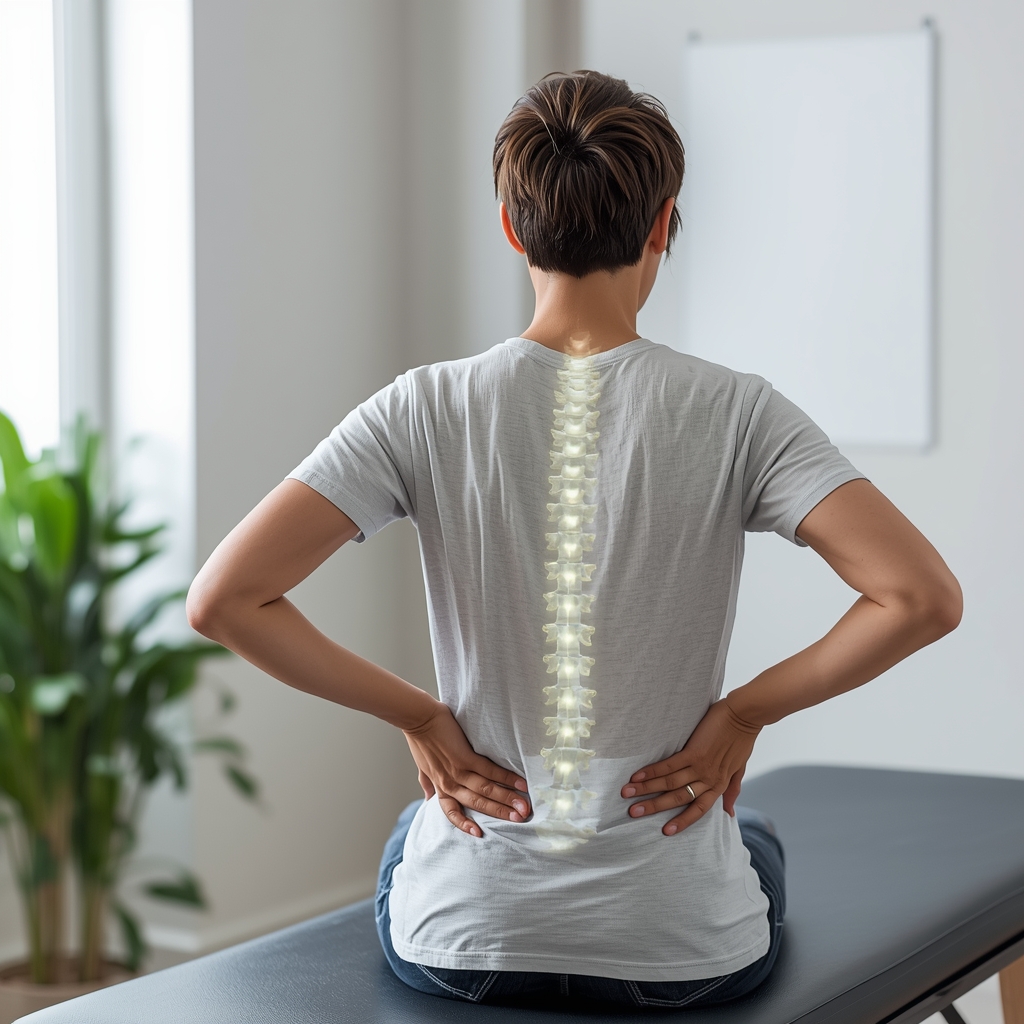
Understanding Spinal Stenosis and Chiropractic Care
Spinal stenosis occurs when the spaces within the spine narrow, compressing nerves and causing pain, numbness, or weakness. This condition often affects the lower back or neck, limiting mobility and quality of life. Chiropractic care offers non-invasive options to manage symptoms by addressing structural imbalances. While not a cure, adjustments and targeted exercises can alleviate pressure on nerves, improve alignment, and enhance overall function. The goal is to reduce discomfort and restore movement without surgery, making it a preferred choice for many patients. Chiropractors tailor approaches to individual needs, focusing on the spine’s mechanics and surrounding musculature. By combining manual techniques with rehabilitative strategies, they aim to support long-term mobility and prevent further deterioration. Understanding these methods helps patients make informed decisions about their care.
Targeted Chiropractic Adjustments for Spinal Stenosis
Chiropractors use specific adjustments to relieve pressure on nerves affected by spinal stenosis. Spinal manipulation, a common technique, involves applying controlled force to joints to improve alignment and mobility. For stenosis, adjustments may focus on the lumbar or cervical regions, depending on the affected area. Flexion-distraction therapy, a gentle method, uses a specialized table to decompress the spine and widen narrowed spaces. Mobilization techniques, which involve slow, rhythmic movements, can also ease stiffness and improve range of motion. These adjustments aim to reduce nerve compression, alleviate pain, and restore function. However, they are most effective when combined with rehabilitation exercises. Patients should work closely with their chiropractor to ensure techniques are safe and appropriate for their condition, avoiding any maneuvers that could worsen symptoms.
Rehabilitation Exercises to Complement Chiropractic Care
Rehabilitation exercises play a crucial role in managing spinal stenosis by strengthening muscles, improving flexibility, and supporting spinal stability. Stretching routines, such as hamstring stretches and cat-cow poses, can reduce tension on the spine and enhance mobility. Core-strengthening exercises, like planks or pelvic tilts, stabilize the lower back and减轻 pressure on affected nerves. Low-impact aerobic activities, including walking or swimming, promote circulation and overall fitness without straining the spine. Patients may also benefit from balance training to prevent falls and improve coordination. These exercises should be performed under a chiropractor’s guidance to ensure proper form and avoid exacerbating symptoms. Consistency is key, as regular practice can lead to gradual improvements in function and reduced discomfort over time.
How Adjustments and Exercises Improve Mobility
Chiropractic adjustments and rehabilitation exercises work synergistically to enhance mobility for spinal stenosis patients. Adjustments relieve nerve compression by realigning the spine, which can decrease pain and allow for greater movement. This improved alignment also reduces muscle spasms and stiffness, making it easier to perform daily activities. Rehabilitation exercises complement these effects by building strength and flexibility in the muscles supporting the spine. Stronger core and back muscles provide better stability, reducing the risk of further injury. Additionally, stretching exercises increase range of motion, helping patients move more freely. Over time, these combined approaches can lead to noticeable improvements in posture, balance, and overall physical function. By addressing both structural and muscular factors, chiropractic care offers a holistic way to manage spinal stenosis and regain independence.
Safety Considerations and Personalized Care
While chiropractic care is generally safe, patients with spinal stenosis must prioritize personalized treatment plans to avoid complications. Not all adjustments are suitable for every individual, and certain techniques may need modification based on the severity of the condition. It is essential to consult a licensed chiropractor with experience in spinal stenosis to ensure safe and effective care. Patients should also communicate any discomfort or changes in symptoms during sessions. Rehabilitation exercises should be tailored to avoid high-impact movements that could strain the spine. Regular follow-ups allow chiropractors to monitor progress and adjust strategies as needed. By emphasizing safety and individualized approaches, chiropractic care can provide meaningful relief without unnecessary risks. Open communication between patient and provider is critical to achieving the best outcomes.
Conclusion: Integrating Chiropractic Solutions for Spinal Stenosis
Spinal stenosis presents challenges to mobility, but chiropractic care offers valuable tools to manage symptoms and improve quality of life. Targeted adjustments, such as spinal manipulation and flexion-distraction therapy, relieve nerve pressure and enhance alignment. Complementary rehabilitation exercises strengthen muscles, increase flexibility, and support long-term mobility. These approaches work together to reduce pain, restore function, and empower patients to maintain independence. However, success depends on personalized care from a qualified chiropractor who can adapt techniques to individual needs. Patients should remain proactive in their recovery, adhering to recommended treatments and communicating openly with their provider. By integrating chiropractic solutions, individuals with spinal stenosis can achieve meaningful improvements in mobility and overall well-being.














