
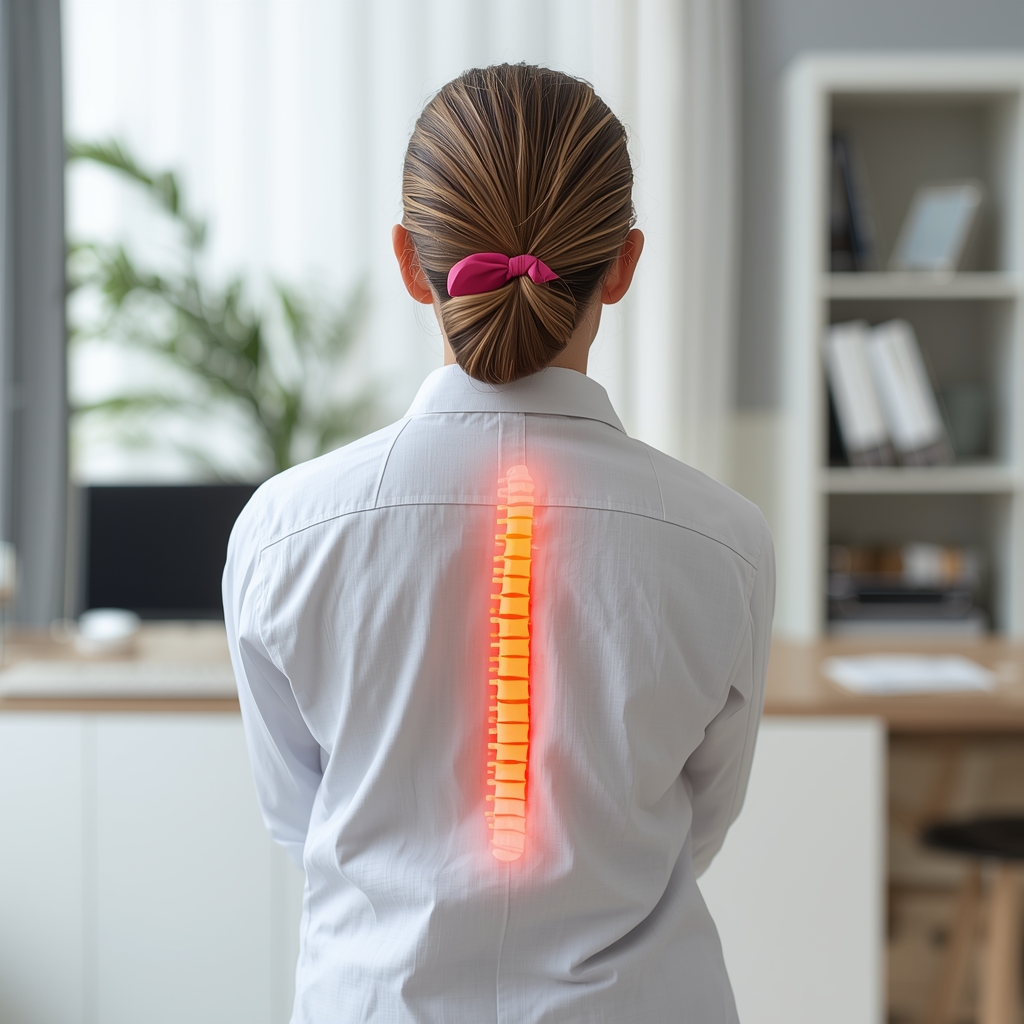
Understanding the Unique Challenges of Scoliosis in Growing Spines
Scoliosis in adolescents presents distinct challenges due to the ongoing growth of the spine. Unlike adult scoliosis, which often stabilizes, adolescent cases can progress rapidly during growth spurts. Chiropractors must consider the dynamic nature of the developing spine, as improper interventions might exacerbate curvature or hinder natural growth patterns. The goal is to support spinal alignment while respecting the body’s developmental needs. Regular assessments are critical to track changes and adjust care plans accordingly. This requires a balance between proactive management and avoiding over-treatment, which could disrupt the spine’s natural maturation. Understanding these nuances helps chiropractors tailor approaches that prioritize long-term spinal health without compromising growth.
The Role of Regular Monitoring and Growth Assessment
Monitoring growth and spinal development is essential when treating adolescent scoliosis. Chiropractors should collaborate with pediatricians or orthopedic specialists to track growth velocity, skeletal maturity, and curvature progression. Tools like spinal X-rays and physical exams provide baseline data and help identify trends. For example, a sudden increase in curvature during a growth spurt may signal the need for more frequent adjustments or referrals. However, excessive imaging should be avoided to minimize radiation exposure. Instead, chiropractors can focus on functional assessments, such as posture analysis and range-of-motion tests, to gauge spinal health. This data-driven approach ensures interventions are timely and appropriate for the patient’s developmental stage.
Non-Invasive Treatment Approaches for Adolescent Scoliosis
Non-invasive strategies are often the first line of care for adolescent scoliosis, but they must be carefully selected to align with the patient’s growth phase. Chiropractic adjustments, soft tissue therapies, and corrective exercises can help improve posture and reduce compensatory patterns. However, these methods alone may not correct significant curvature. Bracing is another option for moderate cases, though its effectiveness depends on adherence and the patient’s skeletal maturity. Chiropractors should emphasize that these approaches complement, rather than replace, medical evaluations. For instance, a patient with a 20-degree curve might benefit from a combination of adjustments and physical therapy, while larger curves may require orthopedic intervention. Open communication with the patient and family ensures everyone understands the goals and limitations of non-surgical care.
Collaboration with Orthopedic Specialists and Other Healthcare Providers
Effective management of adolescent scoliosis requires a multidisciplinary approach. Chiropractors should maintain close communication with orthopedic surgeons, physical therapists, and pediatricians to ensure comprehensive care. For example, an orthopedist might recommend bracing for a patient with a 25-degree curve, while the chiropractor focuses on maintaining spinal mobility and muscle balance. Regular case discussions help align treatment goals and avoid conflicting recommendations. Additionally, physical therapists can design exercises to strengthen core muscles, which support spinal stability. This teamwork ensures that the patient receives coordinated care that addresses both structural and functional aspects of scoliosis. It also helps chiropractors stay informed about the latest medical guidelines and treatment advancements.
Patient and Family Education on Scoliosis Management
Educating patients and families is a cornerstone of effective scoliosis care. Chiropractors should explain the condition’s progression, treatment options, and the importance of adherence to care plans. For adolescents, this includes discussing how growth spurts can affect curvature and the role of posture in daily activities. Families need guidance on recognizing warning signs, such as uneven shoulders or a visible rib hump, and when to seek further evaluation. Emotional support is also crucial, as scoliosis can impact self-esteem and body image. By fostering open dialogue, chiropractors empower patients to take an active role in their care. This education extends to home exercises, proper sleep positions, and avoiding activities that strain the spine, creating a holistic approach to management.
Long-Term Prognosis and Follow-Up Care for Adolescents
The long-term outlook for adolescents with scoliosis depends on early intervention, curvature severity, and growth patterns. Chiropractors play a vital role in monitoring patients through their teenage years and into adulthood. Even after growth ceases, regular check-ups help detect any secondary issues, such as muscle imbalances or degenerative changes. Patients with mild curves may require periodic adjustments, while those with more severe cases might need ongoing orthopedic follow-up. Chiropractors should also address lifestyle factors, like posture and exercise, that influence spinal health. By maintaining a long-term relationship with patients, chiropractors can adapt care as needs evolve. This proactive approach ensures that adolescents grow into adults with stronger, more balanced spinal function, reducing the risk of chronic pain or mobility issues later in life.













