
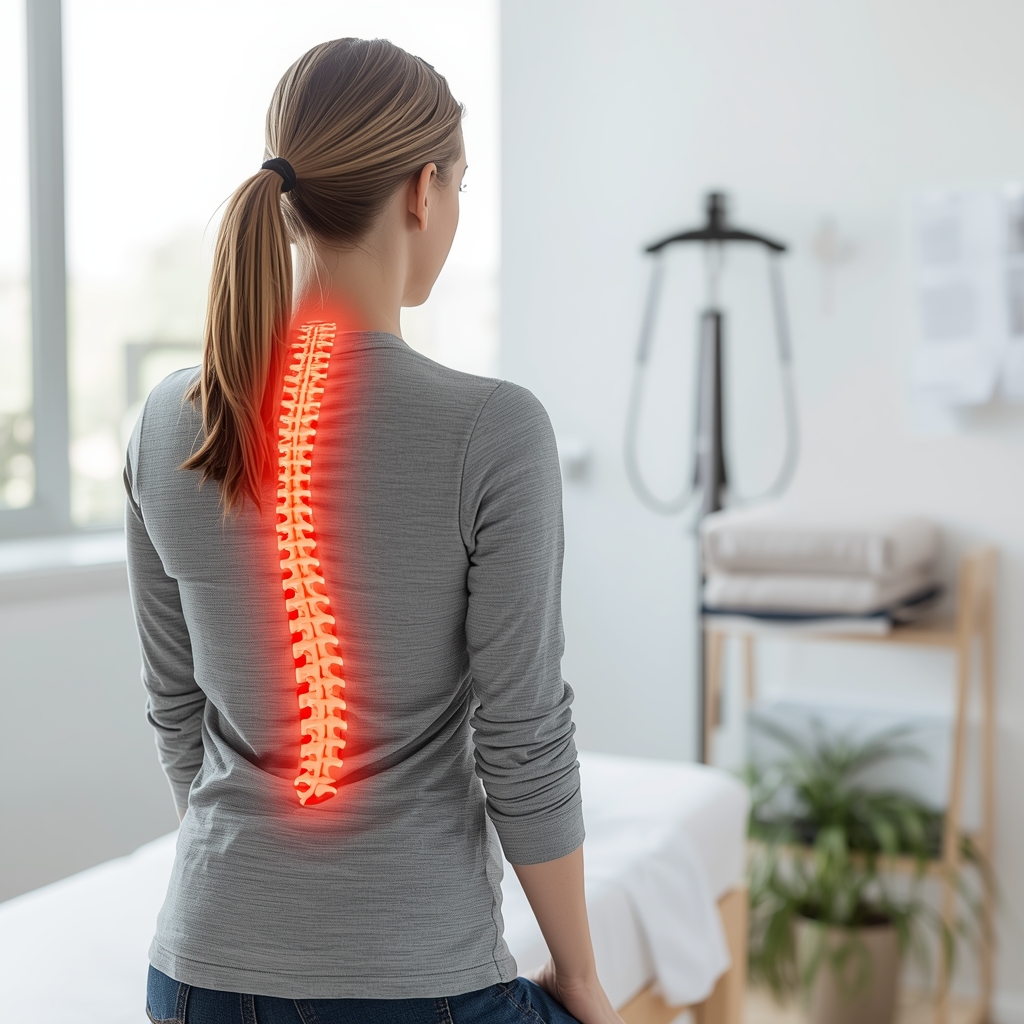
Understanding Biomechanical Factors in Scoliosis
Adolescent scoliosis involves abnormal lateral curvature of the spine, often accompanied by rotational changes. Biomechanical factors such as uneven muscle tension, imbalanced weight distribution, and postural compensations can influence its progression. The spine’s natural curves and alignment play a critical role in maintaining structural integrity. When these mechanics are disrupted, it may lead to increased curvature over time. While the exact causes of scoliosis remain multifactorial, biomechanical stressors—like poor posture, uneven muscle development, or gait abnormalities—can exacerbate the condition. Chiropractic care focuses on identifying and addressing these mechanical imbalances to support spinal health. By evaluating alignment and movement patterns, chiropractors aim to create a foundation for optimal musculoskeletal function. This approach emphasizes the interplay between the spine, muscles, and nervous system, highlighting the importance of early intervention in adolescents.
Chiropractic Adjustments and Spinal Realignment
Chiropractic adjustments are a cornerstone of care for biomechanical issues in scoliosis. These manual techniques aim to restore proper spinal alignment, reducing pressure on nerves and improving joint mobility. For adolescents, gentle adjustments can help correct subluxations—partial joint dislocations—that may contribute to spinal curvature. However, it is essential to clarify that chiropractic care does not claim to “cure” scoliosis but rather supports the body’s natural ability to function optimally. Adjustments are typically part of a broader treatment plan that includes exercises, postural training, and lifestyle modifications. The goal is to enhance spinal stability and reduce the risk of further curvature progression. Chiropractors use specific, low-force techniques tailored to the patient’s age and condition, prioritizing safety and comfort. By addressing mechanical dysfunctions, adjustments may help alleviate pain and improve overall mobility, complementing other therapeutic strategies.
Addressing Muscle Imbalances and Postural Issues
Adolescents with scoliosis often experience muscle imbalances, where certain muscles become overactive while others weaken. These imbalances can worsen spinal curvature by pulling the vertebrae out of alignment. Chiropractic care incorporates soft tissue therapies and targeted exercises to correct these disparities. Techniques like myofascial release or trigger point therapy may relieve tension in tight muscles, while strengthening exercises build support for the spine. Postural retraining is another key component, helping patients develop awareness of their body positioning. Poor posture, such as slouching or uneven weight distribution, can exacerbate biomechanical stress. Chiropractors may also recommend ergonomic adjustments for daily activities, like schoolwork or sports. By addressing both muscular and postural factors, care plans aim to create a more balanced musculoskeletal system. This holistic approach supports long-term spinal health and reduces the likelihood of progressive curvature.
Monitoring and Customized Care Plans
Each adolescent’s scoliosis presents uniquely, requiring individualized care plans. Chiropractors use regular assessments to track spinal curvature and biomechanical changes over time. These evaluations may include physical exams, range-of-motion tests, and observations of posture and movement. Based on findings, adjustments and therapies are tailored to the patient’s specific needs. For example, a child with a mild curve may benefit from periodic check-ups and preventive exercises, while someone with a more pronounced curvature might require a structured intervention plan. Consistency is key, as biomechanical factors can shift with growth and activity levels. Chiropractors also collaborate with other healthcare providers to ensure comprehensive care. By maintaining open communication with patients and families, they foster a proactive approach to managing scoliosis. This ongoing monitoring helps adapt strategies as the adolescent grows, promoting optimal spinal function and minimizing progression risks.
Integrating with Other Therapies
Chiropractic care for adolescent scoliosis is often most effective when integrated with complementary therapies. Physical therapy, for instance, can strengthen core muscles and improve flexibility, supporting spinal stability. Bracing may also be recommended for moderate curves, and chiropractors can work alongside orthopedic specialists to coordinate care. Exercise programs, such as those focusing on posture and balance, further enhance biomechanical efficiency. Nutritional guidance and stress management techniques may also play a role in overall musculoskeletal health. It is crucial to emphasize that no single approach is universally effective, and treatment plans should be customized. Patients and families are encouraged to discuss all options with their chiropractor and other healthcare providers. This collaborative approach ensures that interventions align with the adolescent’s developmental stage and lifestyle. By combining chiropractic care with evidence-based therapies, the goal is to create a supportive environment for spinal health and functional improvement.
The Role of Patient and Family Education
Education is a vital aspect of chiropractic care for adolescents with scoliosis. Patients and families need to understand the condition, its progression, and the role of biomechanical factors in managing it. Chiropractors often provide guidance on proper posture, ergonomics, and daily activities that may impact spinal health. For example, advice on sitting correctly at a desk or maintaining alignment during sports can reduce mechanical stress. Encouraging open communication helps patients recognize symptoms early and adhere to care plans. Families play a critical role in reinforcing healthy habits, such as regular exercise and avoiding poor postural practices. Chiropractors also address common concerns, like the safety and effectiveness of adjustments, to build trust and compliance. By fostering a proactive mindset, education empowers adolescents to take an active role in their care. This collaborative effort enhances the likelihood of successful outcomes and long-term spinal well-being.












