
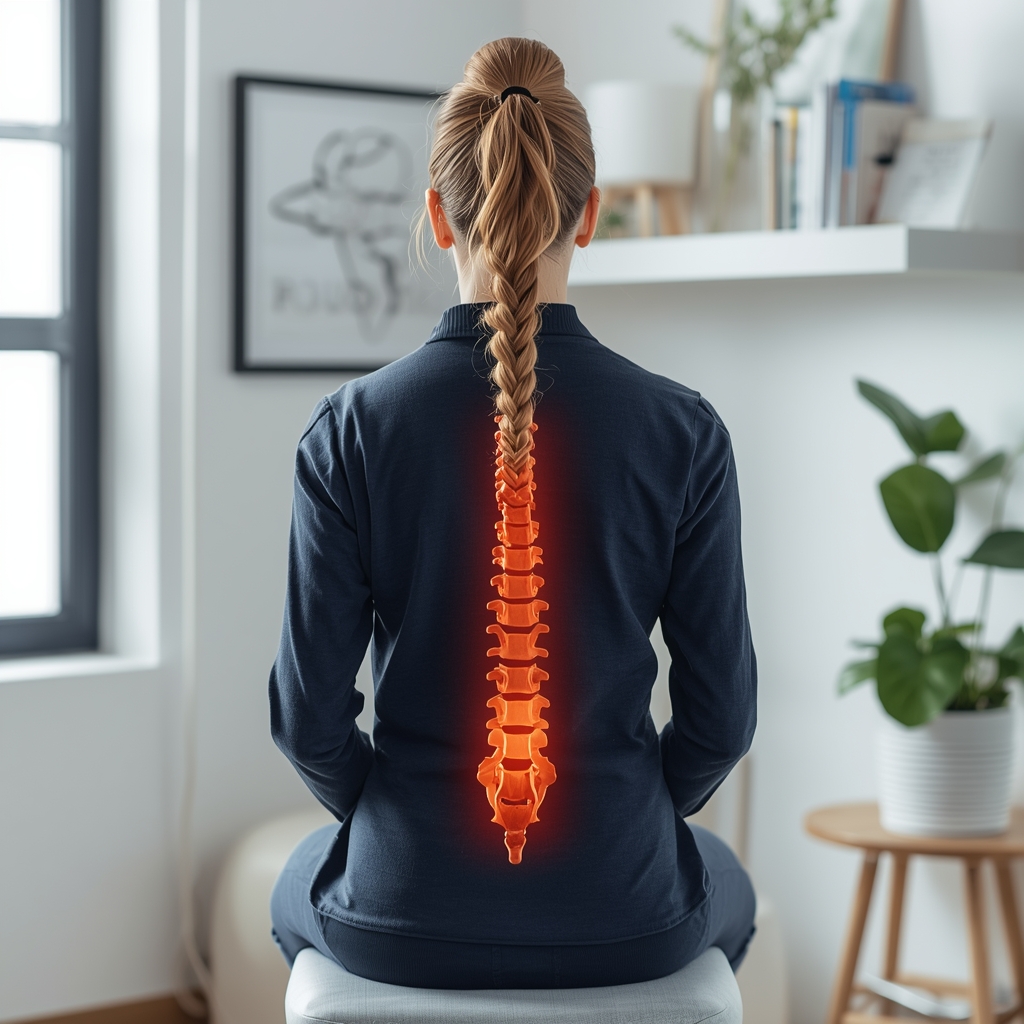
Understanding Scoliosis in Adolescents
Scoliosis is a spinal condition characterized by an abnormal lateral curvature, often diagnosed during adolescence. While the exact cause remains unclear, it can progress during growth spurts, potentially leading to long-term complications. Chiropractors play a supportive role in managing scoliosis by addressing spinal alignment and overall musculoskeletal health. However, it’s important to note that chiropractic care is not a substitute for medical evaluation or treatment. Instead, it focuses on maintaining spinal function, reducing discomfort, and supporting the body’s natural ability to adapt. For adolescents, early intervention is critical to prevent worsening curvature. Chiropractors may use gentle adjustments, posture assessments, and lifestyle recommendations to complement other therapeutic approaches. This article explores how specific chiropractic strategies can help manage scoliosis progression in growing patients.
Targeted Spinal Adjustments for Scoliosis
Chiropractors may employ specific spinal adjustments to address imbalances associated with scoliosis. These techniques aim to restore proper alignment, reduce pressure on nerves, and improve mobility in affected areas. For adolescents, adjustments are typically gentle and tailored to their developing bodies, avoiding forceful manipulations. Common approaches include diversified adjustments, which use controlled thrusts to realign vertebrae, and activator methods, which employ a handheld tool for precision. By focusing on the thoracic and lumbar regions—common sites of scoliosis curvature—chiropractors can help alleviate strain on the spine. However, the effectiveness of these adjustments varies depending on the severity of the condition and the individual’s response. Regular follow-ups allow chiropractors to refine their approach, ensuring adjustments remain safe and beneficial for the adolescent’s growth.
Posture and Muscle Balance Considerations
Adolescents with scoliosis often develop compensatory postural patterns to manage spinal curvature. Chiropractors address these patterns by evaluating muscle strength, flexibility, and alignment. For example, weakened core muscles or tightness in the hips may exacerbate spinal imbalances. Adjustments are often paired with corrective exercises to strengthen underused muscles and stretch overactive ones. This dual approach helps stabilize the spine and reduce the risk of further curvature. Additionally, chiropractors may recommend ergonomic adjustments for school activities, such as proper desk setup or backpack use, to minimize strain. By fostering better posture and muscle balance, chiropractic care supports the body’s natural alignment, potentially slowing scoliosis progression. These strategies are most effective when integrated into a comprehensive care plan that includes regular monitoring and patient education.
Monitoring Progress and Adjusting Care Plans
Regular monitoring is essential when managing scoliosis in adolescents, as their spines are still developing. Chiropractors use physical exams, posture assessments, and imaging (when appropriate) to track changes in curvature over time. This data informs adjustments and helps determine if additional interventions—such as bracing or referrals to orthopedic specialists—are needed. For example, a slight increase in curvature might prompt more frequent adjustments or the introduction of specific exercises. Conversely, stable measurements may allow for a maintenance-focused approach. Adolescents and their families should maintain open communication with their chiropractor to address concerns promptly. By adapting care plans based on individual progress, chiropractors help ensure that interventions remain effective and aligned with the patient’s growth trajectory.
Collaborative Care with Other Healthcare Providers
Chiropractic care for scoliosis is most effective when integrated with other healthcare approaches. Chiropractors often collaborate with orthopedic specialists, physical therapists, and pediatricians to create a holistic treatment plan. For instance, a physical therapist might design a strengthening program to complement spinal adjustments, while an orthopedist may recommend bracing for moderate curves. This teamwork ensures that all aspects of the condition are addressed, from structural alignment to functional mobility. Adolescents may also benefit from regular medical check-ups to monitor curvature progression and rule out underlying causes. By fostering communication between providers, chiropractors help patients receive coordinated care that maximizes outcomes. This collaborative model emphasizes the importance of a multidisciplinary approach in managing scoliosis during critical growth periods.
Consulting a Qualified Chiropractor for Personalized Care
Every adolescent with scoliosis has unique needs, making it crucial to consult a qualified chiropractor for personalized guidance. A professional evaluation can determine the severity of the condition, identify contributing factors, and develop a tailored care plan. Chiropractors trained in pediatric care understand the nuances of adolescent development and can adjust techniques accordingly. Patients and families should ask about the chiropractor’s experience with scoliosis and their approach to monitoring and treatment. It’s also important to discuss any existing medical treatments, such as bracing or physical therapy, to ensure chiropractic care complements these efforts. While chiropractic adjustments may support spinal health, they should never replace medical advice. By working with a skilled provider, adolescents can receive safe, effective care that addresses their specific challenges and promotes long-term well-being.














