
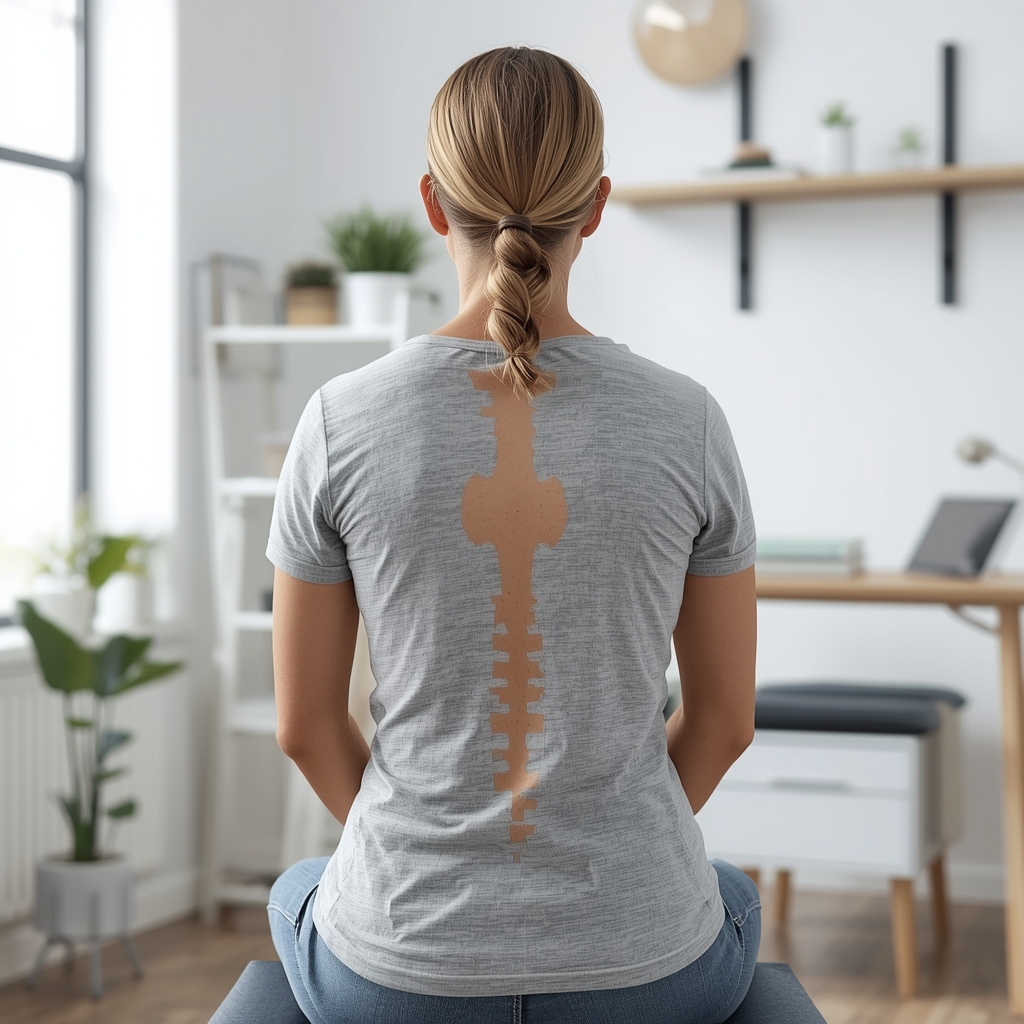
Understanding Scoliosis and Its Treatment Landscape
Scoliosis, a sideways curvature of the spine, affects millions of adolescents worldwide. While bracing is a common intervention for managing progression, chiropractic care offers complementary support. Bracing aims to halt curve worsening, often used for moderate cases, while chiropractic adjustments focus on improving spinal alignment and function. Together, they may address both structural and neuromuscular aspects of the condition. However, it’s crucial to emphasize that these approaches are part of a broader treatment plan, not standalone solutions. Patients and families should consult orthopedic specialists and licensed chiropractors to determine the best strategy for their unique situation.
How Chiropractic Care Supports Spinal Bracing
Chiropractic care can enhance the effectiveness of spinal bracing by addressing muscle imbalances and joint mobility. Braces stabilize the spine, but they don’t directly target the surrounding musculature or nervous system. Chiropractors use adjustments to improve spinal alignment, potentially reducing compensatory postures that might strain the brace. By restoring proper biomechanics, these interventions may help the brace function more efficiently. Additionally, chiropractic care may alleviate discomfort associated with bracing, such as pressure points or restricted movement. However, the goal is not to replace bracing but to create a synergistic effect that supports the spine’s natural corrective processes.
Key Chiropractic Adjustments for Scoliosis Patients
Specific chiropractic techniques, such as the Diversified, Activator, or Gonstead methods, are often used to address scoliosis. These adjustments aim to reduce subluxations (misalignments) and improve nerve function. For adolescents, gentle, low-force techniques may be preferred to accommodate their developing bodies. Some chiropractors incorporate soft tissue therapies, like myofascial release, to ease muscle tension around the spine. While no single adjustment guarantees results, a tailored approach focusing on the thoracic and lumbar regions—common sites of scoliosis—may enhance overall spinal stability. Patients should work with chiropractors experienced in pediatric care to ensure safety and appropriateness.
Benefits of Integrating Chiropractic Care with Bracing
Combining chiropractic care with bracing may offer several advantages. Adjustments can improve spinal mobility, potentially making the brace more effective by allowing the spine to respond better to corrective forces. Chiropractic interventions may also reduce pain and discomfort linked to bracing, encouraging better compliance. Additionally, by addressing neuromuscular imbalances, this integrated approach might slow curve progression and support long-term postural health. However, results vary, and the success of this combination depends on factors like the severity of the curve, the patient’s growth stage, and the expertise of the care team. Regular monitoring by both orthopedic and chiropractic professionals is essential.
Considerations for Patients and Families
Parents and adolescents considering chiropractic care alongside bracing should prioritize communication with all healthcare providers. Chiropractic adjustments should never replace medical recommendations but rather complement them. It’s important to choose a chiropractor with experience in pediatric scoliosis to avoid unnecessary risks. Patients should also be aware that while some studies suggest potential benefits, the evidence remains limited and inconclusive. Regular follow-ups with an orthopedic specialist will help track progress and adjust the treatment plan as needed. Open dialogue between families, chiropractors, and medical doctors ensures a cohesive approach to managing scoliosis effectively.
Conclusion: A Holistic Approach to Scoliosis Management
While spinal bracing remains a cornerstone of adolescent scoliosis treatment, chiropractic care can play a supportive role by addressing spinal alignment, muscle function, and nerve health. The integration of these approaches requires careful coordination with medical professionals to ensure safety and efficacy. Patients and families should remain informed about the latest research and maintain regular consultations to monitor outcomes. Ultimately, the goal is to create a personalized, multidisciplinary plan that promotes spinal health and quality of life. As with any treatment, individual results may vary, and professional guidance is essential throughout the process.














