
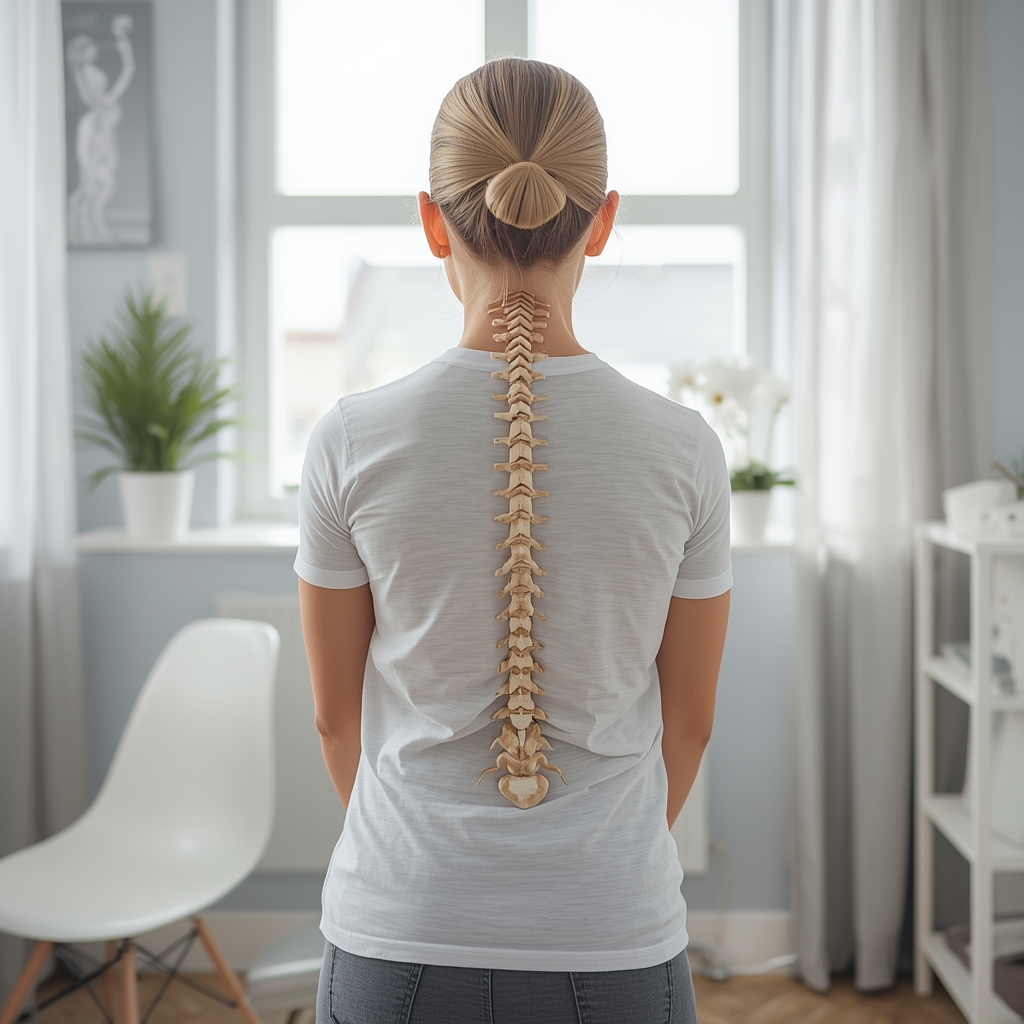
Understanding Scoliosis in Adolescents
Scoliosis is a spinal condition characterized by an abnormal lateral curvature, often diagnosed during adolescence. While some cases are mild, others can progress, leading to long-term complications like postural imbalances or reduced lung function. Early intervention is critical, as the spine is still developing during these years. Chiropractic care offers a non-invasive approach to monitor and manage scoliosis, focusing on maintaining spinal alignment and preventing worsening curvature. Unlike traditional medical treatments that may involve bracing or surgery, chiropractic care emphasizes natural, holistic support. By addressing musculoskeletal imbalances and promoting proper posture, chiropractors aim to reduce strain on the spine and improve overall function. This proactive strategy aligns with the broader goal of supporting healthy growth and development in young patients.
The Role of Chiropractic Care in Early Detection
Chiropractors play a vital role in identifying scoliosis during its early stages through comprehensive physical exams and patient history. Routine screenings, including observation of posture and gait, can reveal subtle signs of spinal curvature. Advanced diagnostic tools, such as posture analysis and range-of-motion assessments, help quantify the condition’s severity. Early detection allows for timely intervention, which is especially important for adolescents whose spines are still malleable. Chiropractors may collaborate with pediatricians or orthopedic specialists to ensure accurate diagnosis and develop a tailored care plan. By addressing scoliosis early, chiropractic care can potentially reduce the need for more aggressive treatments later. This approach underscores the importance of regular check-ups, as many adolescents may not experience pain initially, making it easy to overlook the condition until it progresses.
Chiropractic Techniques for Scoliosis Management
Chiropractic care for scoliosis involves a range of techniques designed to improve spinal alignment and reduce curvature progression. Spinal adjustments, or manipulations, are used to correct misalignments and restore proper function. These adjustments are gentle and tailored to the patient’s age and condition. In addition, soft tissue therapies, such as myofascial release, may be employed to alleviate muscle tension that contributes to spinal imbalances. Chiropractors often incorporate corrective exercises and postural training to strengthen core muscles and improve overall stability. Some practitioners use instrument-assisted techniques, like the Activator method, to deliver precise adjustments with minimal force. These methods are non-invasive and focus on supporting the body’s natural healing processes. By combining these approaches, chiropractors aim to create a supportive environment for the spine to develop correctly, reducing the risk of further complications.
Collaborative Care and Multidisciplinary Approaches
Effective scoliosis management often requires a collaborative approach involving multiple healthcare professionals. Chiropractors may work alongside orthopedic specialists, physical therapists, and pediatricians to create a comprehensive care plan. This teamwork ensures that all aspects of the condition are addressed, from spinal alignment to muscular support and overall health. For example, a chiropractor might coordinate with a physical therapist to design a customized exercise program that complements spinal adjustments. In cases where bracing is recommended, chiropractors can provide guidance on maintaining spinal health while wearing the brace. This multidisciplinary strategy emphasizes patient-centered care, allowing for adjustments based on the adolescent’s unique needs. By fostering communication between providers, chiropractic care becomes part of a broader network of support, enhancing the likelihood of positive outcomes and long-term spinal health.
Empowering Patients and Families Through Education
Education is a cornerstone of chiropractic care for adolescents with scoliosis. Chiropractors take time to explain the condition, its potential progression, and the role of treatment in managing it. This knowledge empowers patients and their families to make informed decisions about their care. Workshops or one-on-one sessions may cover topics like proper posture, ergonomic adjustments, and the importance of regular exercise. Families are often encouraged to create supportive home environments that promote good spinal habits. Chiropractors also address common concerns, such as the safety and effectiveness of non-invasive treatments. By fostering open communication, they help alleviate anxiety and build trust. This educational component not only supports the physical aspects of care but also strengthens the patient’s confidence in their treatment journey, making them active participants in their own health.
Long-Term Benefits of Early Chiropractic Intervention
Early chiropractic intervention for scoliosis can yield significant long-term benefits, including improved spinal function and reduced risk of complications. By addressing imbalances early, chiropractors help the spine develop in a more balanced manner, potentially preventing severe curvature. This proactive approach may also enhance overall mobility and reduce the likelihood of chronic pain in adulthood. Adolescents who receive consistent chiropractic care often experience better posture, increased flexibility, and improved muscular coordination. Additionally, early management can minimize the need for more invasive treatments, such as bracing or surgery, which may carry their own risks and limitations. The focus on holistic health also extends to mental well-being, as reduced physical discomfort can boost confidence and quality of life. Ultimately, chiropractic care offers a supportive, non-invasive path for adolescents to achieve optimal spinal health and maintain it throughout their lives.















