
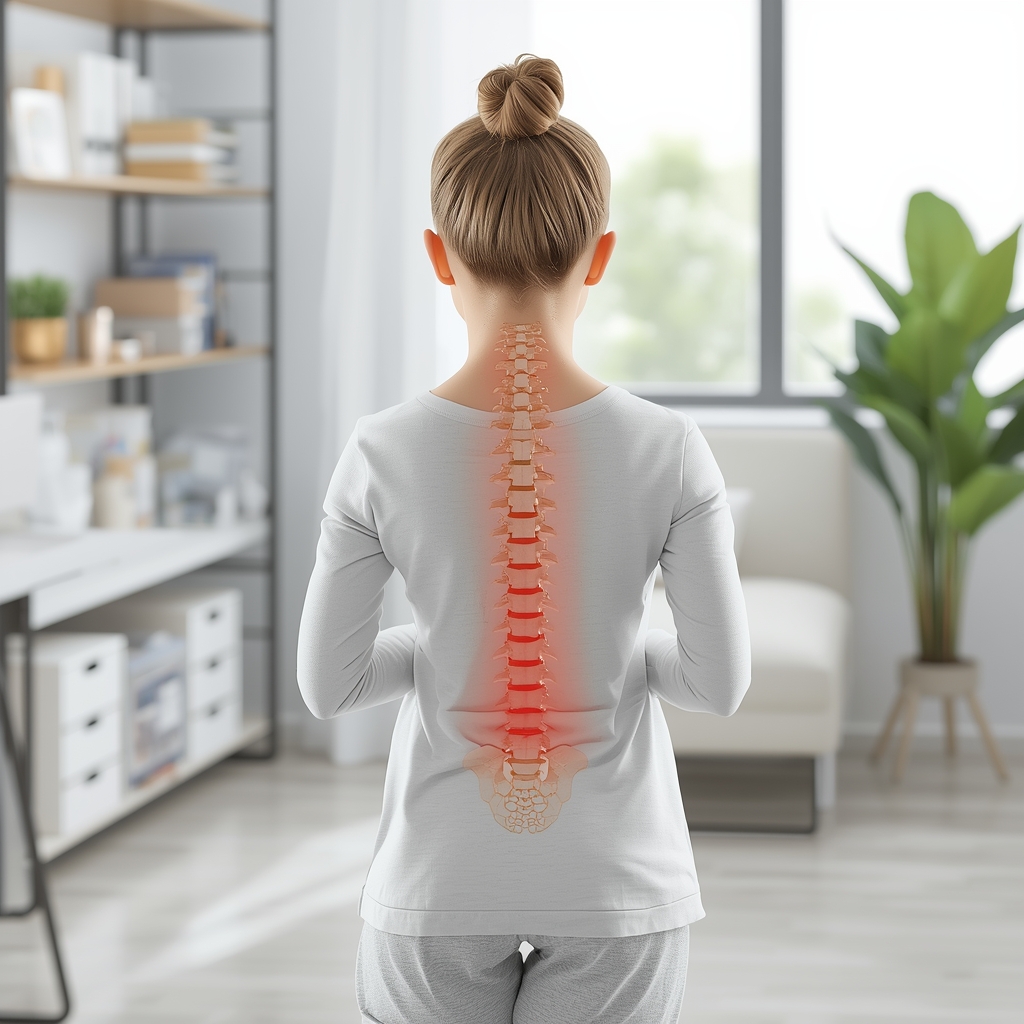
Understanding Adolescent Scoliosis and Its Importance
Scoliosis is a spinal condition characterized by an abnormal lateral curve, often detected during adolescence. While mild cases may not cause issues, early identification is critical to prevent progression. Regular physical exams and screenings, such as the Adams forward bend test, are standard for detection. Adolescents may experience back pain, uneven shoulders, or visible spinal curvature. Early intervention can reduce the risk of severe complications, including respiratory issues or chronic pain. Chiropractors play a supportive role in monitoring these changes, though they do not diagnose scoliosis. Instead, they collaborate with orthopedic specialists to ensure timely care. Understanding the condition’s impact on growth and development underscores the need for proactive management.
Chiropractic Care in Early Detection
Chiropractors are trained to recognize postural imbalances and spinal irregularities that may signal scoliosis. During routine visits, they assess posture, gait, and spinal alignment, often using visual cues like uneven shoulder height or hip asymmetry. While they cannot diagnose scoliosis, they can identify red flags requiring further evaluation by a medical professional. For adolescents, this early awareness is vital, as scoliosis often progresses during growth spurts. Chiropractors may also educate families on signs to watch for, such as one shoulder blade protruding more than the other. By fostering a relationship with patients and their families, chiropractors help ensure timely referrals for imaging or specialist consultation, which is key to effective management.
Non-Invasive Management Strategies
For adolescents with mild scoliosis, chiropractic care may complement other non-invasive approaches. Spinal adjustments can help alleviate associated musculoskeletal discomfort by improving alignment and reducing nerve irritation. However, it is essential to clarify that chiropractic care does not correct spinal curvature itself. Instead, it focuses on supporting the body’s natural functions and enhancing mobility. Techniques like soft tissue therapy or corrective exercises may be used to address muscle imbalances contributing to postural strain. Chiropractors often emphasize the importance of regular physical activity, proper ergonomics, and posture correction. These strategies, when combined with medical recommendations, can help manage symptoms and promote overall spinal health during critical growth periods.
Collaboration with Medical Professionals
Chiropractors work best as part of a multidisciplinary team when managing adolescent scoliosis. They often collaborate with orthopedic specialists, physical therapists, and primary care physicians to create a comprehensive care plan. For example, if imaging confirms a spinal curve, a chiropractor may focus on maintaining mobility and reducing discomfort while the patient undergoes bracing or monitoring. In cases where surgery is considered, chiropractors can support post-operative recovery by addressing related musculoskeletal issues. Open communication between healthcare providers ensures that interventions align with the patient’s needs. This teamwork is especially important for adolescents, as their growing bodies require careful, coordinated care. Chiropractors contribute by addressing biomechanical factors that may influence spinal health, while medical professionals handle diagnostic and therapeutic decisions.
Monitoring Progress and Adjusting Care
Adolescent scoliosis requires ongoing monitoring due to the rapid changes in the body during growth spurts. Chiropractors play a role in tracking spinal alignment and identifying any shifts that may indicate progression. Regular follow-ups allow for adjustments to care plans, ensuring they remain effective as the patient develops. For instance, if a teen’s posture worsens or pain increases, a chiropractor may recommend more frequent visits or refer them for updated imaging. They also educate families on the importance of adhering to prescribed treatments, such as bracing or exercise programs. By maintaining consistent communication with other healthcare providers, chiropractors help ensure that care adapts to the patient’s evolving needs. This proactive approach supports long-term spinal health and reduces the risk of complications.
Empowering Families Through Education
Education is a cornerstone of chiropractic care for adolescent scoliosis. Chiropractors provide families with information about the condition, its progression, and available management options. This empowers parents and teens to make informed decisions about their health. Topics may include the importance of regular check-ups, recognizing warning signs, and understanding the role of exercise and posture. Chiropractors also address common concerns, such as the safety of spinal adjustments for growing adolescents. By fostering open dialogue, they help reduce anxiety and promote a collaborative approach to care. Ultimately, this education supports long-term adherence to recommended strategies, whether they involve chiropractic interventions, medical treatments, or lifestyle adjustments. A well-informed family is better equipped to navigate the challenges of scoliosis management.















