
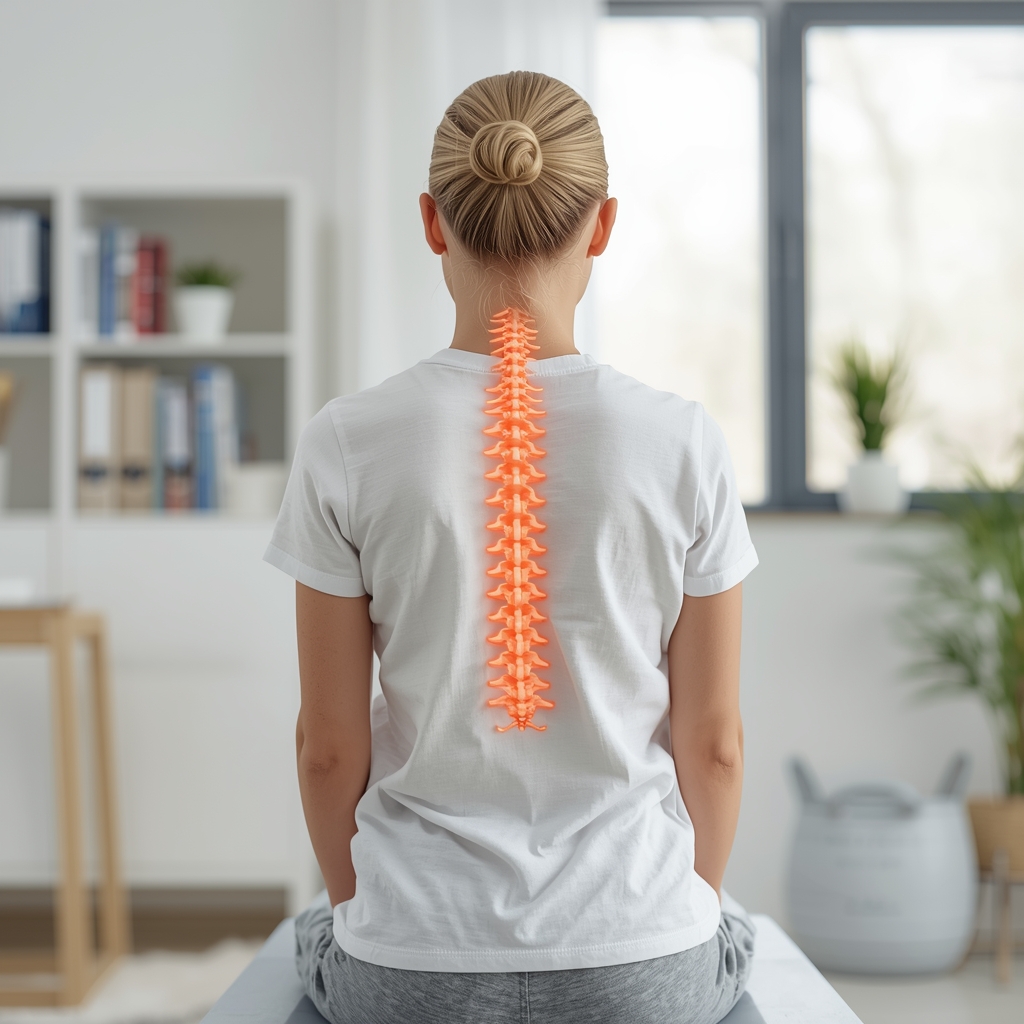
Understanding Scoliosis Progression in Adolescents
Scoliosis, characterized by an abnormal spinal curve, often emerges during adolescence when rapid growth occurs. Early intervention is critical to prevent severe curvature and potential complications like breathing difficulties or chronic pain. While bracing and surgery are common medical approaches, chiropractic care offers complementary strategies to support spinal alignment and function. By focusing on neuromuscular balance and mobility, chiropractors aim to slow progression and improve quality of life. However, it’s essential to recognize that chiropractic care is not a substitute for medical evaluation but a potential component of a multidisciplinary plan. Regular monitoring by healthcare professionals ensures timely decisions about more invasive interventions if needed.
Chiropractic Techniques for Scoliosis Management
Chiropractic care for scoliosis typically involves spinal adjustments, soft tissue therapies, and corrective exercises tailored to the individual’s curvature. Adjustments aim to reduce subluxations (misalignments) and improve nerve function, while exercises strengthen core muscles to support spinal stability. Techniques like the Cox Technique or flexion-distraction may be used to gently decompress the spine. Practitioners also emphasize posture re-education, as poor alignment can exacerbate curves. These approaches are most effective when initiated early, before the spine becomes rigid. While research on chiropractic’s role in scoliosis is limited, many patients report improved comfort and mobility. Chiropractors often collaborate with orthopedic specialists to ensure care aligns with broader treatment goals.
Collaborative Care Between Chiropractors and Orthopedic Specialists
Effective scoliosis management often requires coordination between chiropractors and orthopedic surgeons. Chiropractors may refer patients to specialists for imaging, bracing, or surgical evaluation, while orthopedic providers might consult chiropractors for non-invasive options to complement traditional care. Regular communication ensures both parties are informed about the patient’s progress and any changes in condition. For example, a chiropractor might monitor spinal mobility, while an orthopedist tracks curve measurements via X-rays. This teamwork allows for a holistic approach, balancing conservative care with medical oversight. Patients benefit from a unified plan that addresses both structural and functional aspects of their condition, reducing the risk of unnecessary interventions.
Monitoring Progress and Adjusting Treatment Plans
Early intervention demands consistent monitoring to assess the effectiveness of chiropractic care and detect any worsening of the curve. Chiropractors may use posture assessments, range-of-motion tests, and patient feedback to track improvements or setbacks. If progression is observed, they collaborate with orthopedic specialists to reassess the treatment plan, which could include bracing or surgery. Regular follow-ups ensure adjustments are made promptly, preventing long-term complications. Patients and families are encouraged to maintain open communication with both providers to stay informed about their options. This dynamic approach emphasizes flexibility, allowing care to evolve as the adolescent grows and their needs change.
Empowering Patients and Families Through Education
Education plays a vital role in scoliosis management, empowering families to make informed decisions about their child’s care. Chiropractors often explain how spinal misalignments may affect posture and movement, while orthopedic specialists clarify the implications of curve severity. Together, they help patients understand the benefits and limitations of different treatments. Workshops or resources on exercise routines, ergonomic adjustments, and self-monitoring techniques can reinforce at-home care. This shared knowledge fosters trust and collaboration, ensuring patients feel supported throughout their journey. Ultimately, informed families are better equipped to advocate for their child’s health and adhere to recommended interventions.
Conclusion: Integrating Chiropractic Care into Scoliosis Treatment
Chiropractic care can be a valuable part of early scoliosis intervention, offering non-invasive strategies to support spinal health and function. While it does not reverse curvature, it may help manage symptoms and slow progression when combined with medical oversight. Collaboration between chiropractors and orthopedic specialists ensures a comprehensive approach, balancing conservative care with evidence-based practices. Patients and families should discuss all options with qualified providers to determine the best path forward. By prioritizing early detection and multidisciplinary teamwork, adolescents with scoliosis can achieve better outcomes and improved quality of life.












