
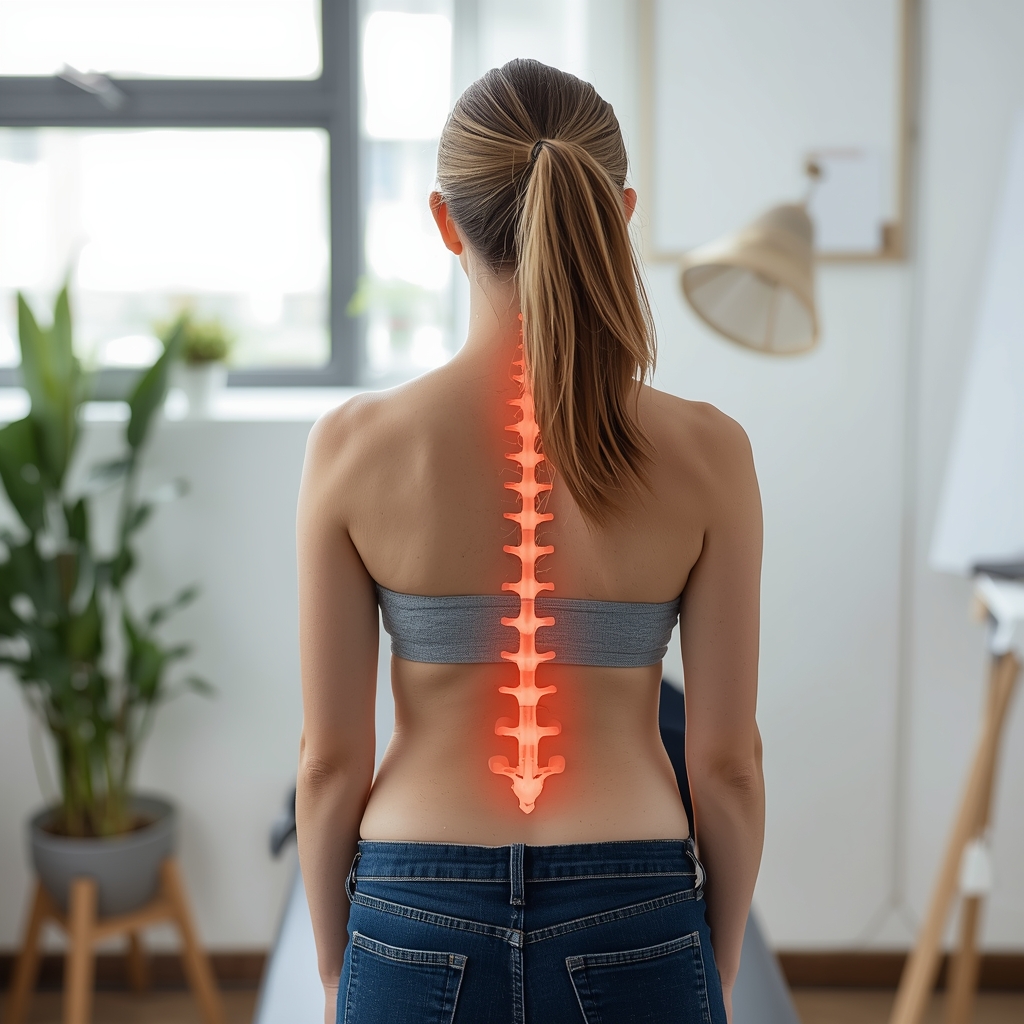
Understanding Scoliosis in Teenagers
Scoliosis is a spinal condition characterized by an abnormal lateral curvature, often diagnosed during adolescence. Growth spurts can exacerbate this curvature as the spine develops rapidly. While mild cases may not cause issues, untreated scoliosis can lead to pain, reduced mobility, and long-term complications. Early intervention is critical because the spine is more malleable during youth, offering better opportunities to influence its development. Chiropractic care focuses on identifying imbalances and addressing them before they worsen. Postural retraining complements this by teaching the body to maintain alignment. Together, these approaches aim to support the spine’s natural growth patterns. Parents and teens should be aware of signs like uneven shoulders or a visible curve in the back. Regular check-ups with a healthcare provider can help monitor progression. Understanding the condition empowers families to take proactive steps, ensuring the spine develops as healthily as possible.
The Role of Chiropractic Care
Chiropractic care for scoliosis involves non-invasive techniques to support spinal alignment and function. Chiropractors use gentle adjustments to address misalignments that may contribute to curvature progression. These adjustments aim to reduce pressure on nerves and improve mobility, promoting better posture. Additionally, chiropractors may employ soft tissue therapies to relieve muscle tension that could worsen spinal imbalances. By focusing on the body’s natural ability to heal, chiropractic care offers a complementary approach to traditional treatments. It is important to note that chiropractic interventions are not a substitute for medical evaluation but can be part of a holistic plan. Regular visits allow for ongoing assessment of spinal health, enabling adjustments to be made as the teenager grows. This proactive strategy helps maintain optimal spinal function while minimizing the risk of worsening curvature. Chiropractors often work alongside other healthcare professionals to ensure comprehensive care tailored to the individual’s needs.
Postural Retraining Techniques
Postural retraining involves exercises and strategies to correct improper alignment and strengthen supporting muscles. For teenagers with scoliosis, this can include targeted stretches, core strengthening routines, and awareness practices to maintain proper posture. These techniques help the body adapt to a more balanced position, reducing strain on the spine. Chiropractors may guide patients through specific movements designed to improve flexibility and muscle symmetry. Consistent practice can enhance the spine’s ability to maintain alignment during daily activities. Additionally, ergonomic adjustments to seating and workspaces can support better posture. Postural retraining is often most effective when combined with chiropractic care, as both address different aspects of spinal health. It empowers teens to take an active role in their treatment, fostering long-term habits. By reinforcing proper movement patterns, these methods contribute to a stronger, more stable spine. This approach supports the body’s natural development while minimizing the risk of further curvature.
Growth Spurts and Scoliosis Progression
Growth spurts significantly impact scoliosis, as rapid skeletal development can worsen existing curvature. During this time, the spine grows unevenly, increasing the risk of progression if imbalances are not addressed. Hormonal changes and increased physical activity further influence spinal alignment, making it crucial to monitor for shifts in posture. Early chiropractic intervention during these phases can help stabilize the spine, preventing severe deformities. Regular assessments allow for timely adjustments to counteract growth-related stress. Postural retraining becomes even more vital during this period, as teens learn to navigate physical changes with proper alignment. Parents should be vigilant for signs like uneven shoulder height or a tilted pelvis, which may indicate worsening scoliosis. By addressing these factors early, the likelihood of needing more intensive treatments, such as bracing or surgery, decreases. Proactive care during growth spurts ensures the spine develops in a balanced, healthy manner.
Combining Chiropractic with Other Therapies
Chiropractic care often works best when integrated with other therapeutic approaches. Physical therapy, for instance, provides targeted exercises to strengthen muscles and improve flexibility, complementing chiropractic adjustments. Bracing may be recommended for moderate cases, and chiropractors can collaborate with orthopedic specialists to ensure alignment goals are met. Massage therapy can alleviate muscle tension that contributes to spinal imbalances, enhancing the effectiveness of adjustments. Nutritional support and lifestyle modifications also play a role in overall spinal health, as proper diet and activity levels influence musculoskeletal development. This multidisciplinary approach allows for a comprehensive strategy tailored to the individual’s needs. By combining these methods, healthcare providers can address scoliosis from multiple angles, maximizing the potential for positive outcomes. Patients and families benefit from a coordinated plan that supports the spine’s natural growth and function.
When to Seek Professional Help
If a teenager exhibits signs of scoliosis, such as uneven shoulders or a visible spinal curve, consulting a chiropractor is a proactive step. A qualified professional can assess the spine’s condition and recommend appropriate interventions. Early evaluation is key, as it allows for timely action before the curvature worsens. Chiropractors may collaborate with other specialists to create a personalized care plan, ensuring all aspects of spinal health are addressed. It is important to remember that scoliosis management varies based on severity and individual factors. Regular check-ups enable ongoing monitoring and adjustments to the treatment strategy. Families should prioritize open communication with healthcare providers to make informed decisions. By seeking professional guidance, teens can receive the support needed to maintain a healthy spine. This approach fosters long-term well-being and reduces the risk of complications associated with untreated scoliosis.














