
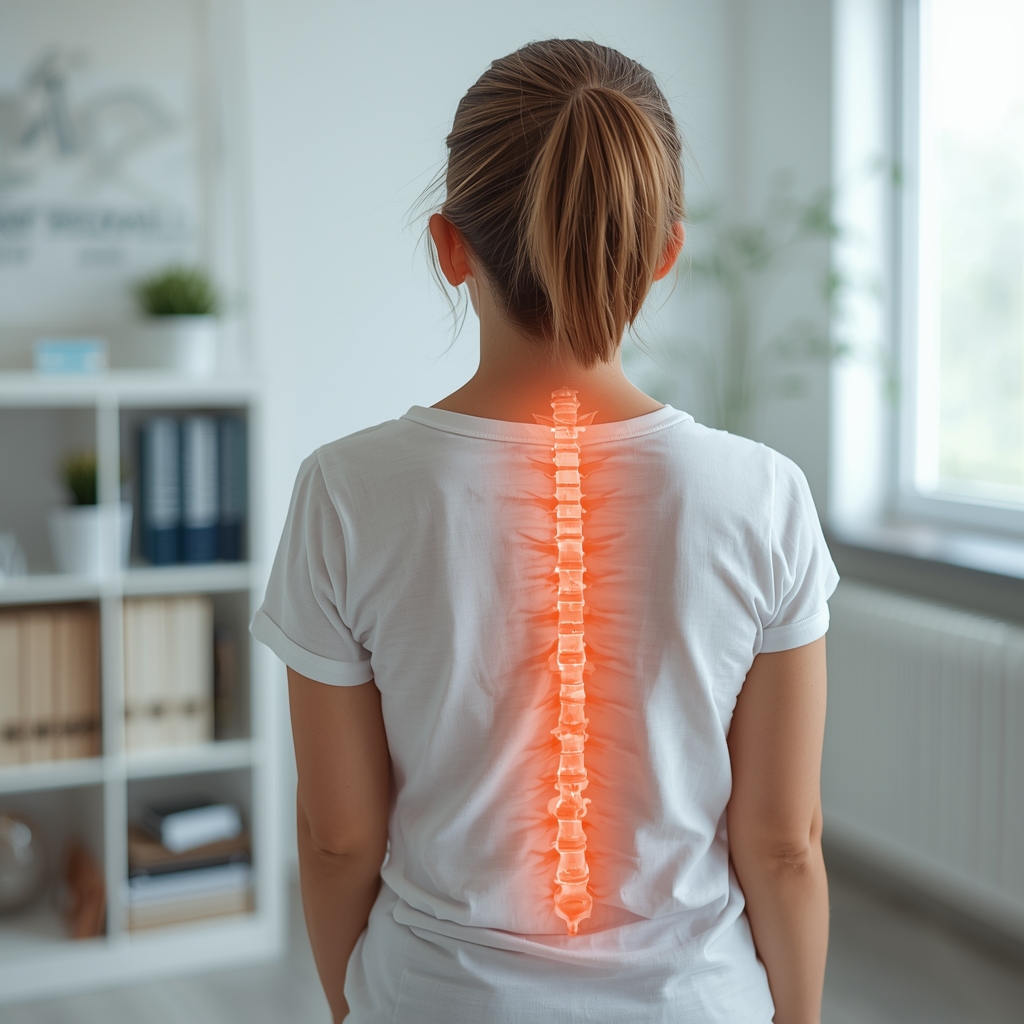
Understanding Scoliosis in Adolescents
Scoliosis is a spinal condition characterized by an abnormal sideways curvature, often diagnosed during adolescence. While mild cases may not cause symptoms, progressive curves can lead to pain, reduced mobility, and long-term complications. Early intervention is critical, as the spine is still developing during growth spurts. Chiropractic care focuses on maintaining spinal alignment and function, which may help slow or prevent worsening of the condition. By addressing imbalances and supporting the body’s natural healing processes, chiropractors aim to reduce the risk of severe curvature progression. This proactive approach complements traditional medical monitoring and can be part of a comprehensive care plan for adolescents at risk.
The Importance of Early Detection
Adolescents experiencing rapid growth are particularly vulnerable to scoliosis progression. Early detection through regular screenings allows for timely intervention before curves become severe. Chiropractors often collaborate with healthcare providers to monitor spinal development and identify subtle changes. Non-invasive techniques, such as posture assessments and spinal evaluations, help track curvature trends. When detected early, chiropractic adjustments may help maintain spinal stability, reducing the likelihood of needing bracing or surgery. Parents and caregivers should be vigilant for signs like uneven shoulders, a tilted head, or a visible rib hump, and seek professional guidance promptly to explore preventive strategies.
Chiropractic Techniques for Spinal Support
Chiropractic care for scoliosis focuses on improving spinal alignment and reducing pressure on the nervous system. Techniques like spinal adjustments, soft tissue therapy, and corrective exercises may help address imbalances contributing to curvature. These methods aim to enhance mobility, alleviate discomfort, and support the body’s natural ability to adapt. While not a cure, consistent care can stabilize the spine and potentially slow progression. Chiropractors tailor treatments to each patient’s needs, emphasizing gentle, non-invasive approaches. It’s important to note that chiropractic care works best as part of a multidisciplinary plan, alongside medical evaluations and, if needed, orthopedic interventions.
Building a Proactive Care Plan
A proactive approach to scoliosis involves regular chiropractic visits, lifestyle adjustments, and monitoring. Chiropractors may recommend specific exercises to strengthen core muscles and improve posture, which can reduce strain on the spine. They also educate patients and families on recognizing warning signs of progression. By fostering a partnership between the patient, family, and healthcare providers, chiropractic care helps create a sustainable strategy for managing scoliosis. This collaborative model empowers adolescents to take an active role in their health while ensuring any changes are addressed promptly. Open communication with a qualified chiropractor is key to adapting the care plan as the individual grows.
Complementary Therapies and Lifestyle Factors
In addition to chiropractic adjustments, other therapies may support scoliosis management. Physical therapy, yoga, and Pilates can improve flexibility and muscle balance, complementing spinal care. Ergonomic adjustments at school and home also play a role in reducing spinal stress. Chiropractors often guide patients on proper sleeping positions, backpack use, and posture during daily activities. Nutrition and hydration are essential for overall spinal health, though they are not standalone solutions. By integrating these elements, adolescents can create a holistic environment that supports their spine’s development and reduces the risk of worsening curvature.
When to Seek Professional Guidance
If you notice signs of scoliosis or have a family history of the condition, consult a chiropractor experienced in pediatric care. They can assess spinal health and determine if early intervention is needed. While chiropractic care is not a replacement for medical evaluation, it can be a valuable component of a comprehensive strategy. Regular check-ups allow for ongoing monitoring and adjustments to the care plan as the adolescent grows. Parents should prioritize open dialogue with healthcare providers to ensure all aspects of scoliosis management are addressed. Early, coordinated care offers the best chance to support healthy spinal development and minimize long-term impacts.











