
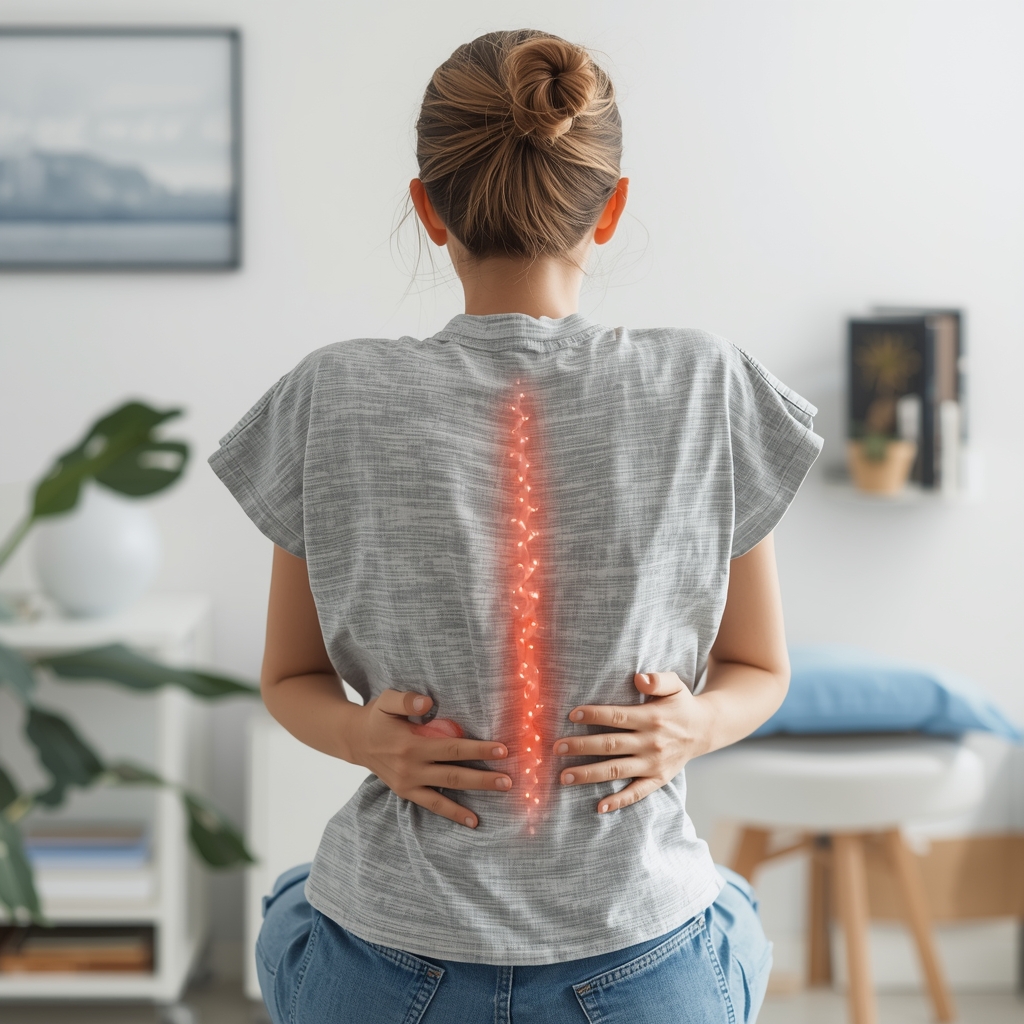
Understanding Scoliosis in Adolescents
Scoliosis is a spinal condition characterized by an abnormal sideways curvature, often diagnosed during childhood or adolescence. While mild cases may require only monitoring, moderate curves can worsen during growth spurts, potentially leading to long-term complications. Early intervention is critical, as the spine is more malleable in younger patients. Chiropractic care focuses on addressing postural imbalances, improving spinal alignment, and supporting the body’s natural ability to adapt. For teenagers, this approach can complement traditional medical strategies, offering a non-invasive way to manage progression. However, it’s essential to work with a qualified chiropractor experienced in pediatric care to ensure safe, effective treatment tailored to the individual’s needs.
Spinal Adjustments and Alignment
Chiropractic adjustments aim to restore proper spinal mechanics and reduce pressure on nerves, which may help slow scoliosis progression. For adolescents, these adjustments are typically gentle, using techniques suited to their developing bodies. By realigning the spine, chiropractors can improve posture, alleviate pain, and potentially reduce the risk of worsening curvature. However, adjustments alone are not a cure; they work best as part of a comprehensive care plan. Regular sessions allow for ongoing assessment and refinement of the approach. It’s important to note that results vary, and outcomes depend on factors like the severity of the curve, the teenager’s overall health, and adherence to recommended follow-ups.
Corrective Exercises and Posture Training
Chiropractors often incorporate corrective exercises into treatment plans to strengthen muscles supporting the spine and improve posture. These exercises may include stretches, core strengthening routines, and movements designed to counteract asymmetries caused by scoliosis. For adolescents, consistency is key, as regular practice can enhance spinal stability and reduce strain on the musculoskeletal system. Posture training helps patients become more aware of their body positioning, which is especially important during growth spurts when poor habits can exacerbate curvature. While these methods are not a substitute for medical evaluation, they can complement other interventions. A chiropractor can guide patients in selecting exercises that align with their specific condition and goals.
Monitoring and Regular Check-Ups
Tracking scoliosis progression is vital, especially during periods of rapid growth. Chiropractors may recommend regular check-ups to assess changes in spinal curvature and adjust treatment plans accordingly. These visits allow for early detection of worsening curves, enabling timely interventions. Monitoring may involve physical exams, posture assessments, and discussions about any new symptoms or discomfort. For teenagers, staying proactive about their care can lead to better long-term outcomes. It’s also important to coordinate with orthopedic specialists or other healthcare providers to ensure a holistic approach. Regular communication between the chiropractor and the patient’s family helps maintain consistency and address concerns as they arise.
Collaboration with Healthcare Providers
Effective scoliosis management often requires a multidisciplinary approach. Chiropractors may collaborate with orthopedic surgeons, physical therapists, and primary care physicians to create a well-rounded treatment strategy. This teamwork ensures that all aspects of the teenager’s health are considered, from spinal alignment to overall physical development. For example, a chiropractor might refer a patient to a specialist if a curve exceeds a certain severity threshold. Similarly, medical treatments like bracing or surgery may be recommended alongside chiropractic care. Open communication among all providers is essential to avoid conflicting approaches and ensure the patient receives the most appropriate care for their unique situation.
When to Seek Professional Guidance
If a teenager exhibits signs of scoliosis—such as uneven shoulders, a visible curve in the spine, or back pain—it’s important to consult a healthcare professional. A chiropractor specializing in pediatric care can evaluate the condition and discuss potential interventions. While chiropractic care may help manage symptoms and support spinal health, it should not replace medical advice. Parents and patients should be cautious of unproven treatments or quick fixes that promise to “cure” scoliosis. Instead, focusing on evidence-based approaches and regular monitoring provides the best foundation for managing the condition. Ultimately, working with qualified providers ensures the safest and most effective path forward for adolescent scoliosis care.













