
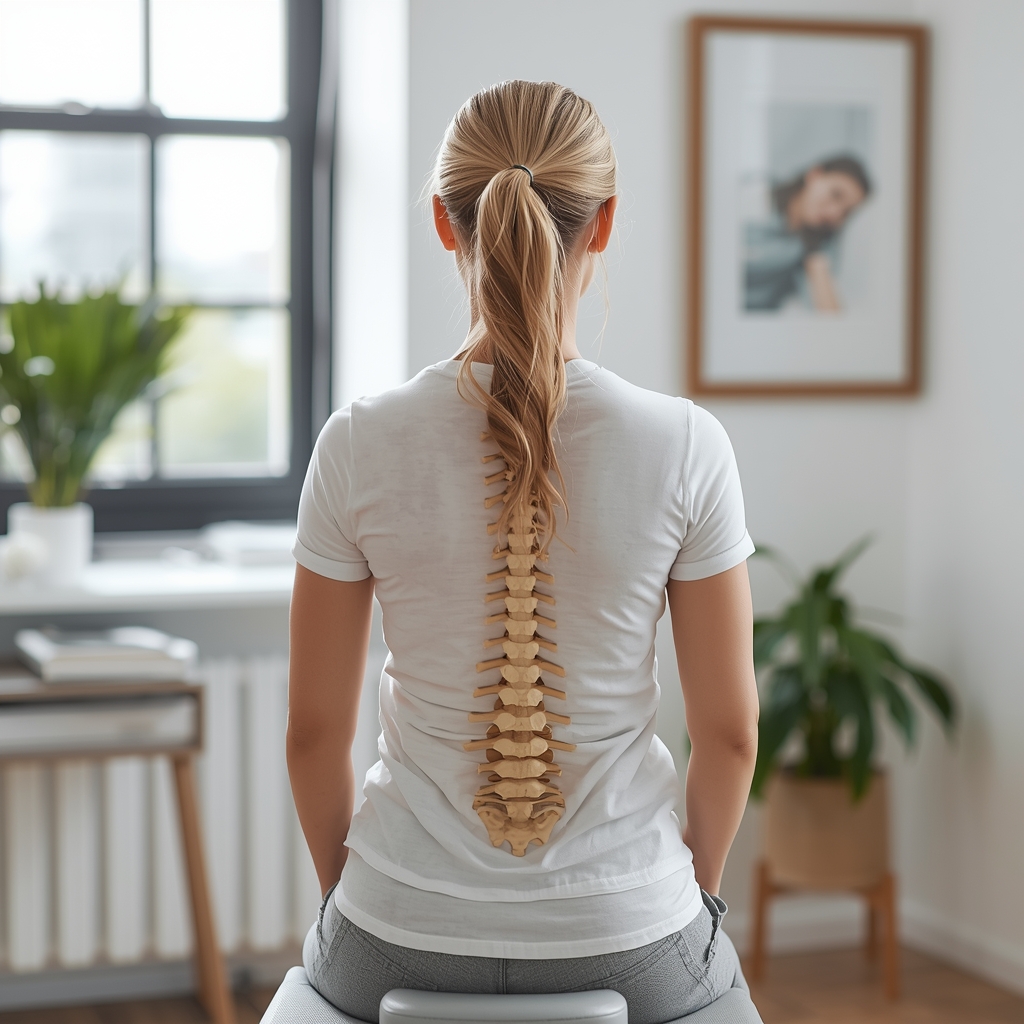
Understanding Scoliosis in Adolescents
Scoliosis is a spinal condition characterized by an abnormal sideways curvature, often diagnosed during adolescence. While mild cases may require monitoring, progressive curves can lead to long-term complications. Non-pharmacological interventions focus on managing symptoms and slowing progression without medication. Chiropractors play a role in supporting spinal health, but collaboration with orthopedic specialists ensures comprehensive care. These interventions aim to improve posture, strengthen musculature, and address biomechanical imbalances. Parents and patients should understand that treatment plans are tailored to the severity of the curve, the adolescent’s growth stage, and overall health. Regular assessments by qualified professionals are essential to track changes and adjust strategies as needed.
Spinal Adjustments and Manual Therapies
Chiropractic adjustments involve manual techniques to realign the spine and improve joint function. For adolescents with scoliosis, these adjustments may help reduce pressure on nerves and enhance spinal mobility. While adjustments alone cannot reverse curvature, they can alleviate associated discomfort and support overall spinal health. Techniques like diversified adjustments or activator methods are commonly used, focusing on specific areas of misalignment. Some studies suggest that regular adjustments may contribute to better posture and reduced pain, though results vary. It is important to note that adjustments should be performed by licensed chiropractors with experience in pediatric care. These therapies are often part of a broader plan that includes exercises and monitoring by orthopedic specialists to ensure safety and effectiveness.
Corrective Exercises and Physical Therapy
Targeted corrective exercises are a cornerstone of non-pharmacological scoliosis management. These programs, often designed by physical therapists or chiropractors, focus on strengthening core muscles, improving flexibility, and correcting postural imbalances. Exercises like the Schroth method or Pilates-based routines help stabilize the spine and reduce the risk of progression. By enhancing muscle control around the curved spine, these exercises can improve alignment and decrease strain on the musculoskeletal system. Consistency is key, as regular practice supports long-term benefits. While not a substitute for medical evaluation, corrective exercises complement other interventions. Adolescents should work with trained professionals to ensure proper form and avoid exacerbating the condition. Combining these exercises with spinal adjustments and orthopedic guidance creates a holistic approach to care.
Bracing and Orthotic Support
For adolescents with moderate scoliosis, bracing is a common non-surgical intervention. Custom-fitted braces, such as thoracolumbosacral orthoses (TLSOs), are designed to prevent further curvature by applying pressure to the spine. Chiropractors may recommend bracing as part of a multidisciplinary plan, often in conjunction with orthopedic specialists. The effectiveness of bracing depends on factors like the curve’s severity, the adolescent’s growth stage, and compliance with wear schedules. While bracing does not correct existing curvature, it can halt progression and reduce the need for surgery. Chiropractors may monitor the patient’s response to bracing and adjust other treatments accordingly. Patients and families should understand that bracing requires commitment and regular follow-ups to ensure optimal outcomes and minimize complications.
Posture Correction and Ergonomic Strategies
Poor posture can exacerbate scoliosis symptoms and contribute to spinal imbalances. Chiropractors often emphasize posture correction through education and ergonomic adjustments. This includes recommendations for proper sitting, standing, and sleeping positions, as well as modifications to workspaces or school environments. Ergonomic tools like supportive chairs or orthopedic mattresses may be suggested to reduce strain on the spine. Chiropractors may also teach adolescents how to recognize and correct postural habits that worsen curvature. These strategies are most effective when combined with other interventions like exercises and adjustments. By fostering awareness of body mechanics, patients can take an active role in managing their condition. Regular check-ins with healthcare providers ensure that ergonomic plans remain aligned with the adolescent’s developmental needs.
Collaboration with Orthopedic Specialists
Effective scoliosis management requires teamwork between chiropractors and orthopedic specialists. Chiropractors may refer patients to orthopedic surgeons for advanced evaluations, while orthopedic providers often consult chiropractors for non-surgical support. This collaboration ensures that treatment plans address both structural and functional aspects of the condition. Regular communication allows for shared decision-making, such as determining the need for bracing or surgery. Chiropractors can provide complementary care, focusing on pain relief and mobility, while orthopedic specialists monitor curvature progression and recommend interventions when necessary. Patients and families benefit from a coordinated approach that leverages the strengths of both disciplines. Open dialogue between providers is critical to delivering safe, evidence-based care tailored to the adolescent’s unique needs.












