
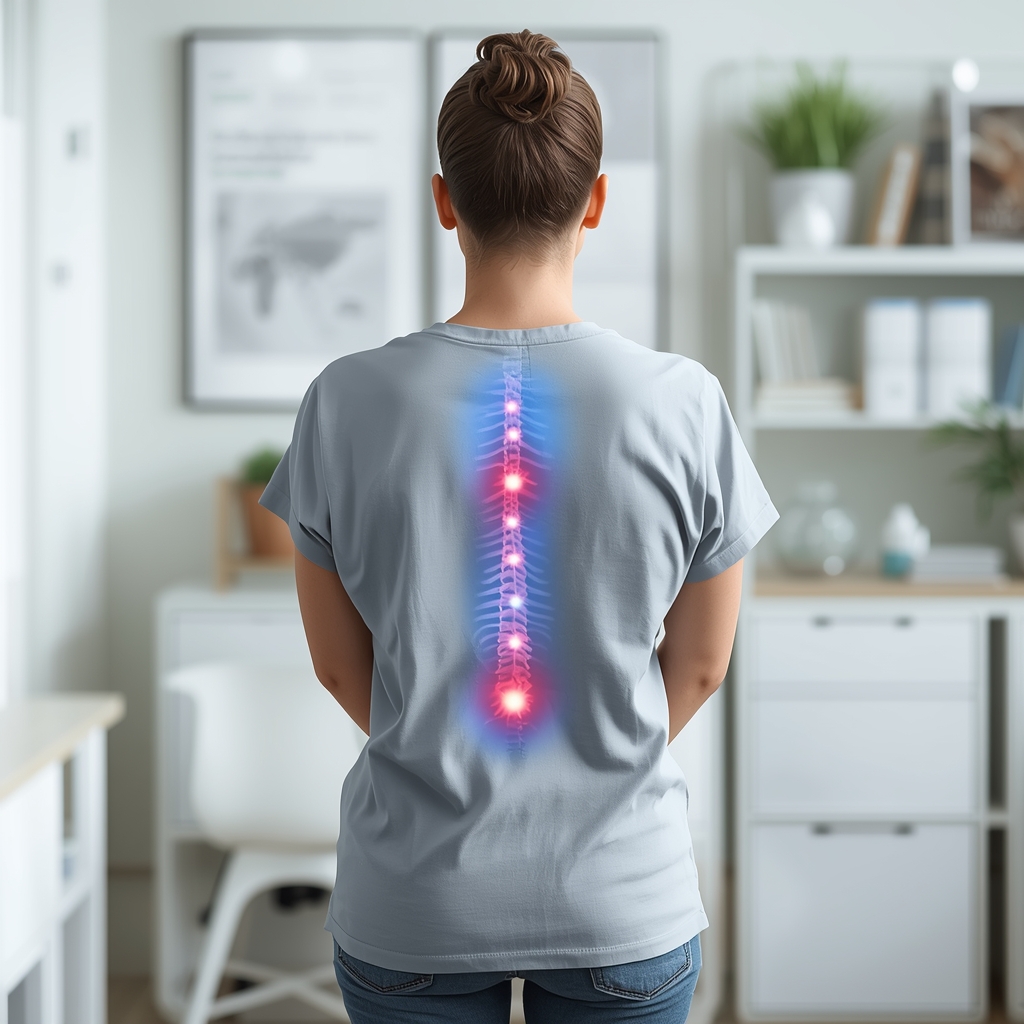
The Importance of Interdisciplinary Collaboration in Scoliosis Management
Non-surgical scoliosis management for young patients often requires a coordinated approach between chiropractors and orthopedic specialists. Chiropractors focus on spinal alignment and musculoskeletal function, while orthopedic experts assess structural abnormalities and recommend interventions. By combining their expertise, they can create comprehensive care plans that prioritize the child’s growth and development. This collaboration ensures that treatments address both symptoms and underlying biomechanical factors. Open communication between providers is essential to align goals, share insights, and avoid conflicting recommendations. For families, this teamwork offers a more cohesive path to managing scoliosis, reducing the risk of unnecessary procedures and fostering long-term spinal health.
Establishing Clear Communication Channels
Effective collaboration begins with structured communication between chiropractors and orthopedic specialists. Regular case discussions, shared electronic health records, and joint patient evaluations help maintain consistency in care. Chiropractors can provide updates on spinal adjustments and functional improvements, while orthopedic professionals share imaging results and growth assessments. This exchange allows both parties to adjust treatment strategies based on the child’s evolving needs. Clear documentation of each provider’s role prevents confusion and ensures that families receive unified guidance. By prioritizing transparency, providers can address concerns promptly and make informed decisions that support the patient’s overall well-being.
Integrating Non-Surgical Treatment Modalities
Chiropractors and orthopedic specialists can combine non-surgical techniques to manage scoliosis effectively. Chiropractic adjustments may help improve spinal mobility and reduce pain, while orthopedic specialists might recommend bracing or physical therapy to stabilize the spine. Exercise programs tailored to the child’s condition, such as Schroth therapy, can complement both approaches. Providers should align on the frequency and intensity of these interventions to avoid overloading the patient. Regular follow-ups ensure that the plan remains adaptable as the child grows. This integrated strategy not only addresses immediate symptoms but also supports long-term spinal development, minimizing the need for invasive treatments.
Monitoring Progress and Adjusting Care Plans
Tracking the child’s progress is critical to the success of non-surgical scoliosis management. Chiropractors and orthopedic specialists should schedule periodic evaluations to assess changes in spinal curvature, posture, and functional ability. Imaging studies, such as X-rays, may be used to monitor structural shifts, while chiropractors observe improvements in alignment and range of motion. If the child’s condition shows significant changes, both providers should reevaluate the care plan and consider adjustments. This ongoing assessment ensures that interventions remain effective and responsive to the patient’s needs. By maintaining a flexible approach, providers can optimize outcomes and support the child’s physical development.
Empowering Families Through Education and Support
Informing families about scoliosis management options is a shared responsibility between chiropractors and orthopedic specialists. Providers should explain the benefits and limitations of non-surgical approaches, helping families make informed decisions. Chiropractors can offer guidance on home exercises and posture correction, while orthopedic specialists address concerns about bracing or monitoring. Consistent messaging from both parties reinforces trust and reduces anxiety. Additionally, connecting families with support groups or resources can enhance their understanding and coping strategies. This collaborative education empowers patients and caregivers to actively participate in the care process, fostering better adherence to treatment plans.
Overcoming Challenges in Collaborative Care
Despite its benefits, interdisciplinary collaboration can face challenges, such as differing treatment philosophies or logistical barriers. Chiropractors and orthopedic specialists must prioritize the patient’s best interests over personal preferences. Establishing clear protocols for decision-making and conflict resolution helps maintain harmony. Technology, like secure messaging platforms, can streamline communication and reduce delays. Regular training on collaborative care models ensures both providers stay aligned with best practices. By addressing these challenges proactively, the healthcare team can deliver seamless, patient-centered care that maximizes the potential for positive outcomes in young scoliosis patients.












