
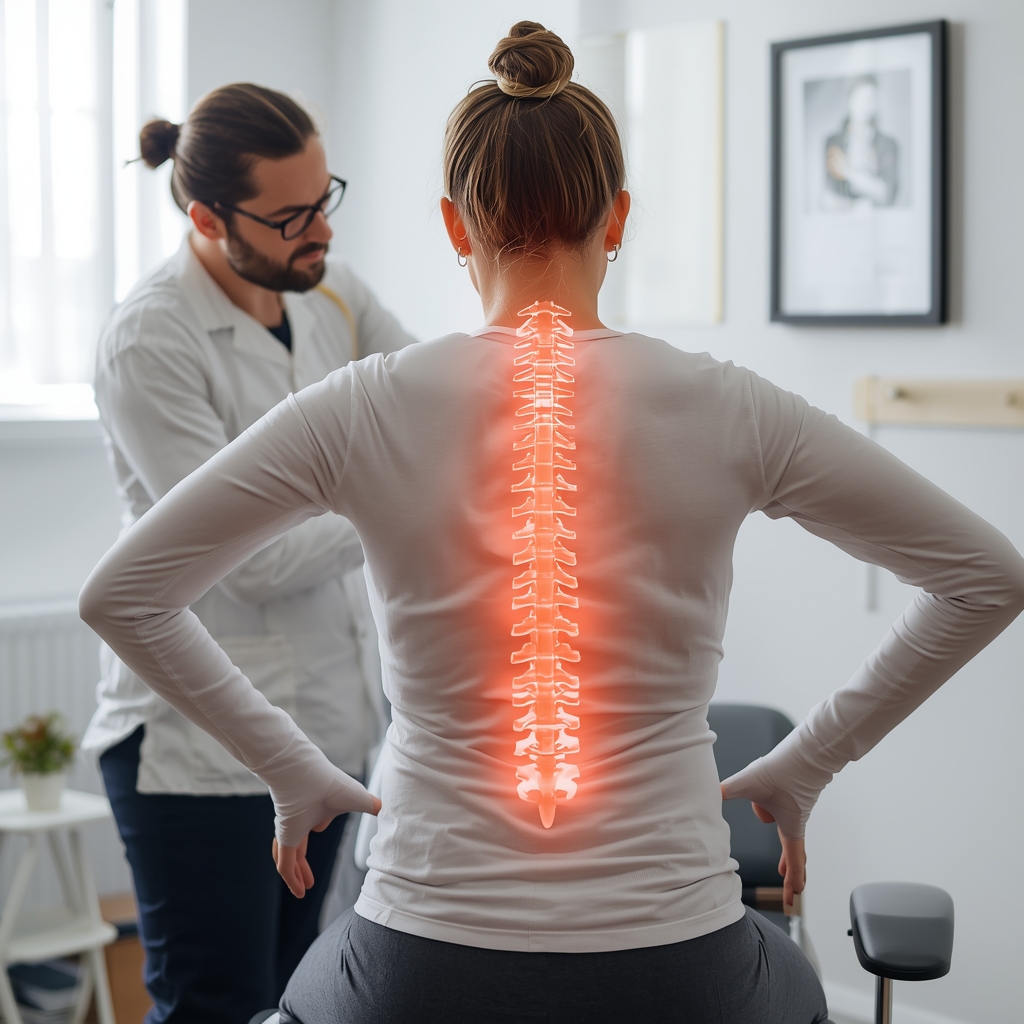
Understanding Pulsed Pneumatic Decompression and Traditional Spinal Manipulation
For individuals living with degenerative disc disease, finding effective treatment options is critical. Pulsed pneumatic decompression and traditional spinal manipulation are two approaches often considered. Pulsed pneumatic decompression uses a device to apply controlled pressure to the spine, creating a vacuum-like effect to relieve pressure on discs and nerves. Traditional spinal manipulation, a cornerstone of chiropractic care, involves manual adjustments to realign the spine and improve function. Both aim to reduce pain and enhance mobility, but they differ in technique and application. Patients often seek guidance on which method suits their condition best, highlighting the importance of understanding their mechanisms and outcomes.
How Each Therapy Targets Degenerative Disc Disease
Pulsed pneumatic decompression works by gently stretching the spine, which may help rehydrate discs and reduce nerve compression. This non-invasive method is often used to alleviate pain caused by herniated or bulging discs. Traditional spinal manipulation, on the other hand, focuses on restoring proper spinal alignment through manual force, which can improve joint mobility and reduce inflammation. While both therapies aim to address the root causes of degenerative disc disease, their approaches differ significantly. Pulsed pneumatic decompression is typically used in conjunction with other treatments, whereas spinal manipulation is often a primary intervention. Understanding these distinctions can help patients make informed decisions about their care.
Evidence and Research on Effectiveness
Research on pulsed pneumatic decompression is ongoing, with some studies suggesting it may provide relief for certain spine-related conditions. However, the body of evidence is still evolving, and more rigorous trials are needed to confirm its long-term benefits. Traditional spinal manipulation, in contrast, has a longer history of clinical use and is supported by a broader range of studies. While both therapies show promise, the scientific consensus on their effectiveness for degenerative disc disease remains nuanced. Patients should discuss available evidence with their chiropractor to determine the most suitable approach for their specific needs.
Considerations for Patient Preference and Condition Severity
Choosing between pulsed pneumatic decompression and traditional spinal manipulation often depends on individual preferences and the severity of the condition. Some patients may prefer non-invasive, device-assisted methods like decompression therapy, while others may feel more comfortable with hands-on adjustments. Additionally, the extent of disc degeneration and associated symptoms can influence the recommended treatment. A chiropractor can evaluate a patient’s unique situation and suggest the most appropriate options. Open communication about goals and concerns is essential to tailor care effectively.
Safety and Potential Side Effects
Both pulsed pneumatic decompression and traditional spinal manipulation are generally considered safe when performed by qualified professionals. However, they may carry risks, such as temporary discomfort or mild soreness. Pulsed pneumatic decompression is often viewed as less invasive, which may reduce the likelihood of adverse effects. Traditional spinal manipulation, while effective for many, requires careful technique to avoid complications. Patients should discuss potential risks with their chiropractor and report any unusual symptoms. Safety remains a priority in both approaches, emphasizing the need for skilled practitioners.
Conclusion: Choosing the Right Approach
When addressing degenerative disc disease, both pulsed pneumatic decompression and traditional spinal manipulation offer valuable options. Each has its strengths and considerations, and the best choice depends on individual circumstances. Patients are encouraged to consult with a chiropractor to explore these therapies and determine the most suitable plan. By combining professional guidance with personal preferences, individuals can work toward improved spinal health and quality of life. Always seek advice from a qualified healthcare provider to ensure safe and effective treatment.















