
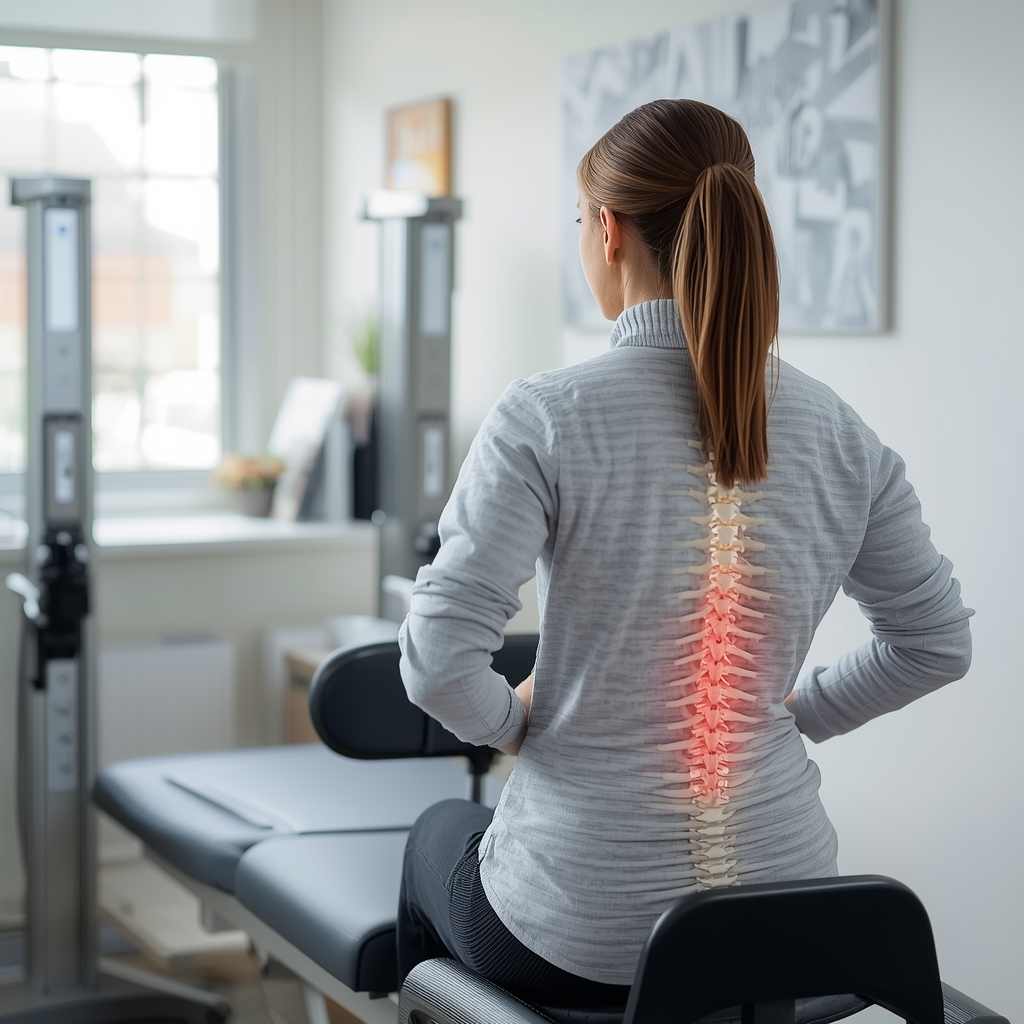
Understanding Spinal Decompression Therapy
Spinal decompression therapy is a non-invasive treatment designed to relieve pressure on compressed spinal discs, often used for chronic disc-related pain. It works by gently stretching the spine to create negative pressure, which can help reposition bulging discs and alleviate nerve compression. Unlike opioids, which mask pain by altering brain chemistry, this therapy addresses the root cause of discomfort. It is commonly recommended for conditions like herniated discs, degenerative disc disease, and sciatica. Patients typically undergo multiple sessions over several weeks, with the goal of reducing pain and improving mobility. While not a cure, it offers a drug-free alternative for those seeking long-term relief without the risks associated with medication. This approach aligns with broader trends in healthcare emphasizing non-pharmacological interventions for chronic pain management.
Comparing Mechanisms: Decompression vs. Opioids
Opioids and spinal decompression therapy differ fundamentally in their approaches to pain management. Opioids act on the central nervous system to block pain signals, providing rapid but temporary relief. However, they carry risks of dependency, tolerance, and side effects like drowsiness or gastrointestinal issues. In contrast, spinal decompression therapy targets physical causes of pain by reducing disc pressure and promoting natural healing. It may enhance blood flow and nutrient delivery to spinal tissues, supporting recovery. While opioids offer quick symptom control, decompression therapy aims to address underlying structural issues. This distinction makes it a viable option for patients looking to minimize medication use. Both methods have roles in pain management, but decompression therapy provides a non-invasive, long-term solution without the risks of pharmacological dependence.
Evidence Supporting Decompression Therapy
Research on spinal decompression therapy highlights its potential as a safe and effective treatment for disc-related pain. Studies suggest that it can reduce pain intensity and improve functional outcomes in patients with conditions like herniated discs or spinal stenosis. While specific studies are not cited here, general consensus among healthcare professionals acknowledges its role in non-surgical care. Many patients report sustained relief after completing a course of treatment, with fewer side effects compared to opioids. The therapy is often used alongside other conservative treatments, such as physical therapy or exercise, to maximize benefits. Its growing acceptance reflects a shift toward holistic, patient-centered care. However, individual results may vary, and consulting a qualified chiropractor is essential to determine if it suits a specific condition.
Safety and Side Effects Compared to Opioids
Spinal decompression therapy is generally considered safe when performed by trained professionals, with minimal risk of serious side effects. Common temporary effects may include mild soreness or fatigue, but these typically resolve quickly. In contrast, opioids pose significant risks, including addiction, respiratory depression, and gastrointestinal complications. Long-term use can lead to tolerance, requiring higher doses for the same effect. Decompression therapy avoids these dangers, making it an attractive option for patients seeking safer alternatives. However, it is not without limitations—results may vary, and it may not be suitable for all spinal conditions. Opioids, while effective for acute pain, are less ideal for chronic management due to their risks. The choice between these approaches depends on individual health needs and a provider’s recommendations.
Patient Experiences and Real-World Outcomes
Many patients report positive experiences with spinal decompression therapy, citing reduced pain and improved quality of life. Real-world outcomes often highlight its effectiveness in managing chronic disc-related discomfort without the need for medication. For example, individuals with herniated discs or sciatica frequently describe noticeable relief after several sessions. These accounts align with clinical observations that decompression therapy can enhance mobility and reduce reliance on painkillers. However, results depend on factors like condition severity, treatment adherence, and overall health. While opioids provide immediate relief, their long-term use is often discouraged. Patients increasingly seek non-invasive options like decompression therapy to avoid medication risks. Still, it is crucial to work with a chiropractor to tailor treatment plans and set realistic expectations.
Conclusion: Choosing the Right Approach
Spinal decompression therapy offers a non-invasive, drug-free alternative for managing chronic disc-related pain, contrasting with the risks of opioid use. While it addresses structural issues rather than just masking symptoms, its effectiveness varies among individuals. Patients should consult a chiropractor to evaluate their specific condition and explore suitable options. Opioids may still be necessary in certain cases, but decompression therapy provides a safer, long-term solution for many. As research continues to support non-pharmacological approaches, more patients are turning to therapies like decompression to achieve lasting relief. Ultimately, the best strategy combines professional guidance with personalized care, ensuring safe and effective pain management tailored to each patient’s needs.












