
Understanding Herniated Discs and Treatment Goals
Herniated discs occur when the soft inner material of a spinal disc protrudes through its outer layer, potentially irritating nearby nerves. This condition often causes pain, numbness, or weakness in the affected area. Treatment goals focus on reducing inflammation, alleviating pressure on nerves, and restoring mobility without invasive procedures. Non-surgical options are typically prioritized to avoid risks associated with surgery, such as infection or prolonged recovery. Patients seek alternatives that align with holistic health principles, emphasizing drug-free solutions to manage pain and improve function.
Traditional Methods for Herniated Discs
Conventional approaches to herniated discs include physical therapy, medications, and in severe cases, surgery. Physical therapy strengthens surrounding muscles and improves flexibility, while medications like NSAIDs or muscle relaxants help manage pain and inflammation. For persistent cases, epidural steroid injections or surgical interventions like discectomy may be recommended. These methods aim to reduce symptoms but often address only the immediate issues rather than underlying structural imbalances. Traditional treatments can be effective but may carry side effects or limitations, prompting interest in alternative techniques that prioritize long-term spinal health.
Spinal Decompression Techniques
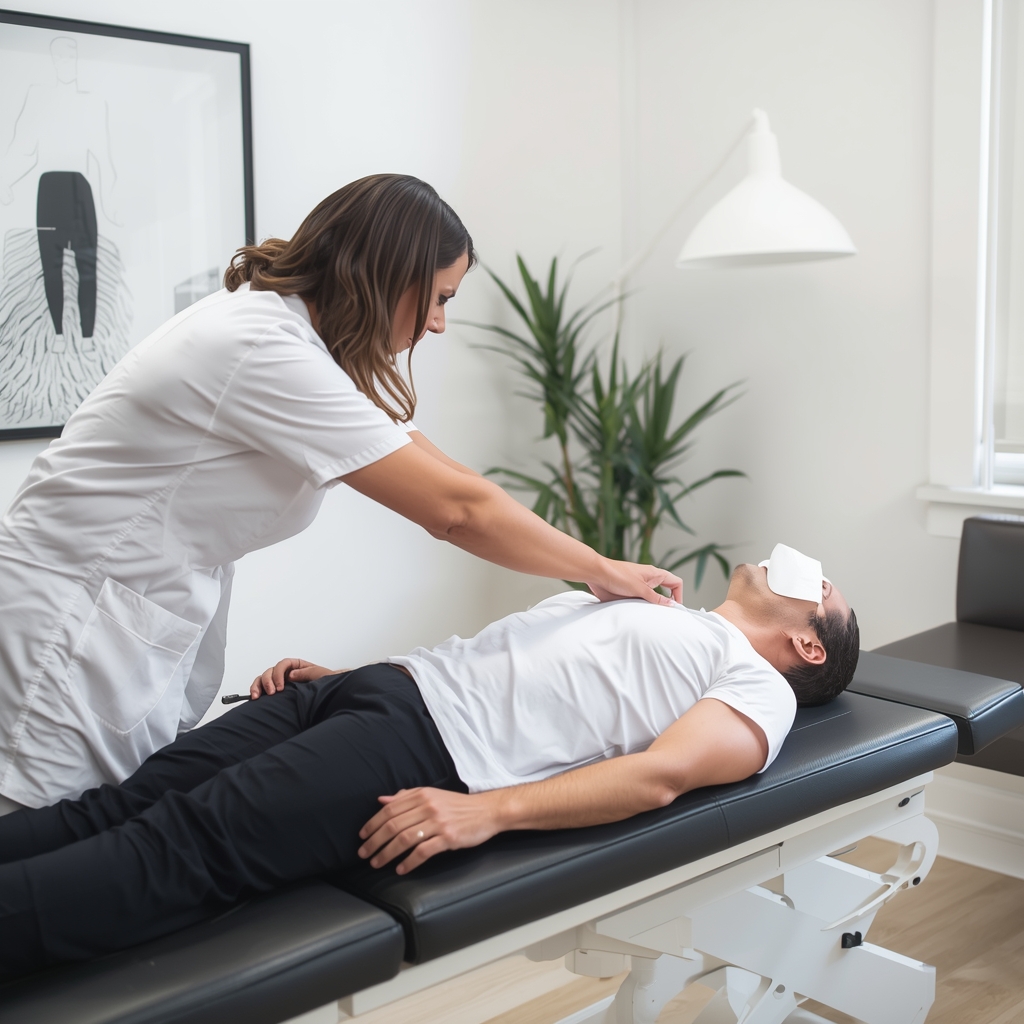
Spinal decompression therapy involves using mechanical devices or manual adjustments to gently stretch the spine, creating negative pressure that may help reposition herniated disc material. This technique is often combined with other therapies like traction or specific exercises. Unlike traditional methods, decompression targets the root cause by reducing nerve pressure and promoting natural healing. It is typically non-invasive and avoids the risks of surgery. Patients report varied outcomes, with some experiencing significant relief while others require additional interventions. The approach is often tailored to individual needs, focusing on gradual improvement rather than quick fixes.
Comparing Efficacy and Safety
Research on spinal decompression versus traditional methods shows mixed results. Some studies suggest decompression can effectively reduce pain and improve function, particularly for patients with mild to moderate herniations. Traditional methods like physical therapy and medications remain widely used due to their established protocols. However, decompression may offer advantages in certain cases by addressing spinal alignment and nerve compression directly. Safety profiles differ: decompression is generally low-risk, while traditional methods like injections or surgery carry higher potential complications. Both approaches require professional guidance to ensure appropriate application and monitoring.
Patient Considerations and Customization
Treatment decisions depend on factors like disc location, symptom severity, and patient preferences. Spinal decompression may suit individuals seeking non-surgical options, while traditional methods might be more appropriate for acute cases. A chiropractor can evaluate these factors and recommend a personalized plan. Combining techniques—such as decompression with corrective exercises—may enhance outcomes. Patients should discuss risks, expected results, and recovery timelines with their provider. Open communication ensures treatments align with individual goals and lifestyle needs, fostering a collaborative approach to spinal health.
Conclusion and Next Steps
Non-surgical treatments for herniated discs offer diverse options, from traditional therapies to specialized decompression techniques. While no single method works for everyone, many find relief through a combination of approaches. Spinal decompression highlights the potential of targeted, non-invasive care, but its effectiveness varies. Patients should consult a qualified chiropractor to explore suitable options and develop a tailored strategy. Prioritizing evidence-based practices and professional guidance ensures safer, more informed decisions about managing herniated discs without surgery.












