
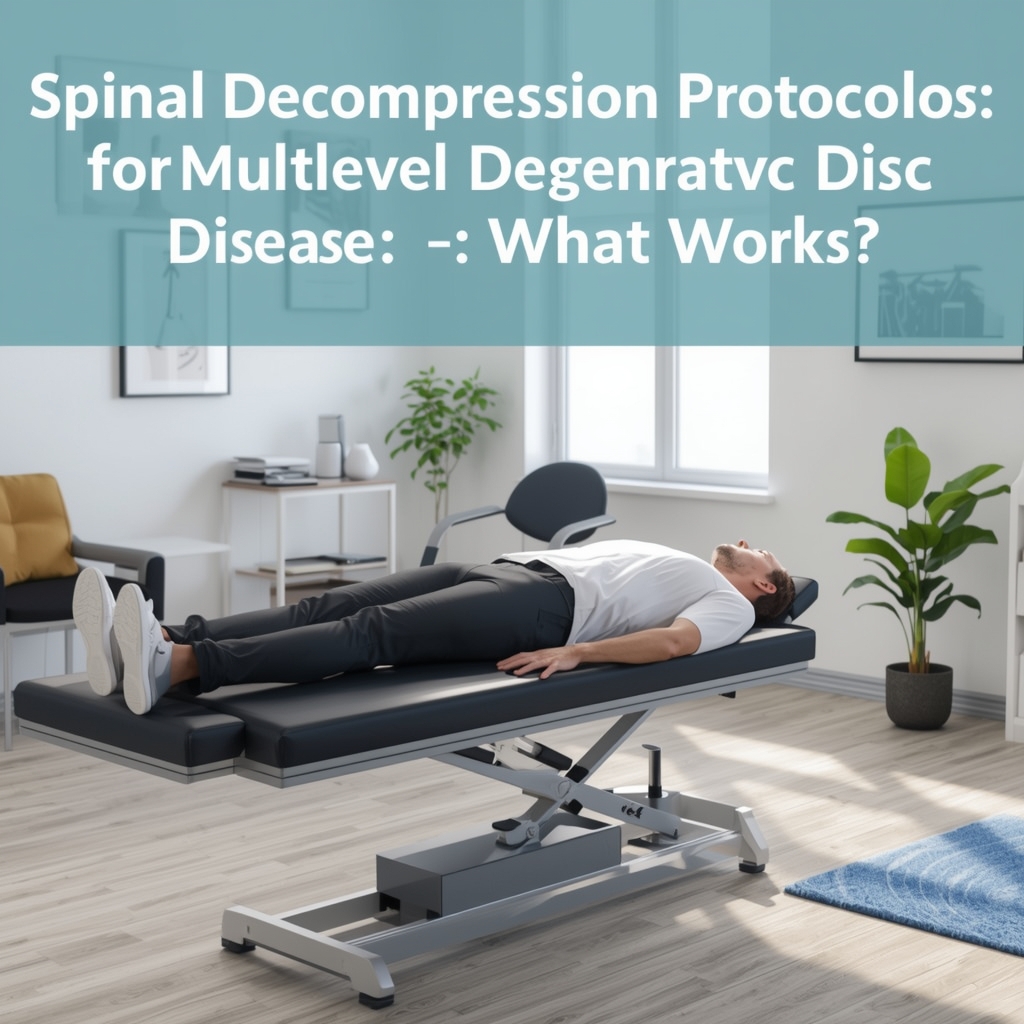
Understanding Spinal Decompression and Its Role in Multilevel Degenerative Disc Disease
Spinal decompression therapy is a non-surgical treatment designed to relieve pressure on the spine by gently stretching the spinal column. This process can help alleviate symptoms associated with degenerative disc disease, such as pain, numbness, and reduced mobility. For patients with multilevel degenerative disc disease, where multiple discs in the spine are affected, decompression therapy may offer targeted relief by addressing the specific areas of compression. The therapy typically involves a specialized table or device that applies controlled traction to the spine, creating space between the vertebrae. This can reduce pressure on nerves and discs, potentially promoting healing and improving function. While decompression therapy is not a cure, it is often used as part of a broader treatment plan to manage symptoms and enhance quality of life.
Common Spinal Decompression Protocols for Multilevel Degenerative Disc Disease
Several decompression protocols are utilized to treat multilevel degenerative disc disease, each with unique mechanisms and applications. Mechanical traction, for instance, uses a motorized table to apply gradual, controlled force to the spine, creating negative pressure within the discs. Manual decompression, performed by a chiropractor, involves hands-on techniques to adjust spinal alignment and relieve pressure. Some protocols combine traction with other modalities, such as heat therapy or electrical stimulation, to enhance outcomes. Additionally, advanced systems like inversion tables or computerized decompression units may be employed to customize the treatment based on the patient’s condition. The choice of protocol depends on factors such as the severity of disc degeneration, the patient’s overall health, and the chiropractor’s expertise. Each approach aims to reduce disc compression, improve disc hydration, and alleviate nerve-related symptoms.
Factors Influencing the Effectiveness of Spinal Decompression
The success of spinal decompression therapy for multilevel degenerative disc disease depends on several factors, including the patient’s individual condition and the treatment plan’s customization. Severity of disc degeneration, the presence of other spinal issues (e.g., herniation or stenosis), and the patient’s adherence to the protocol all play a role. For example, patients with mild to moderate degeneration may experience greater relief compared to those with severe, advanced disease. Additionally, the frequency and duration of sessions, along with complementary therapies like physical therapy or exercise, can enhance outcomes. A chiropractor’s skill in tailoring the decompression approach to the patient’s anatomy and symptoms is critical. While some patients report significant pain reduction and improved mobility, others may require a combination of treatments. Open communication with a healthcare provider ensures the protocol aligns with the patient’s goals and medical needs.
Evidence and Research on Decompression Therapy for Multilevel Degenerative Disc Disease
While research on spinal decompression therapy for multilevel degenerative disc disease is ongoing, existing studies suggest it can be a valuable treatment option. Many patients report reduced pain and improved function after undergoing decompression, though results vary. Clinical observations indicate that decompression may help restore disc height, reduce nerve irritation, and promote natural healing processes. However, the evidence is largely based on case studies and small-scale trials, as large, randomized controlled studies are limited. This highlights the need for further research to establish definitive guidelines. Despite this, many chiropractors and physical therapists incorporate decompression into their practice, often as part of a multidisciplinary approach. Patients considering this therapy should discuss its potential benefits and limitations with a qualified provider to determine if it aligns with their specific condition and treatment goals.
Risks, Limitations, and Considerations
While spinal decompression therapy is generally safe, it is not without risks or limitations. Some patients may experience temporary discomfort, muscle spasms, or increased pain during or after sessions. Individuals with certain conditions, such as severe osteoporosis, spinal instability, or recent fractures, may not be suitable candidates. Additionally, decompression therapy may not be effective for all cases of multilevel degenerative disc disease, particularly when there is significant structural damage or nerve compression. It is also important to note that decompression is typically a long-term process requiring multiple sessions, which can be time-consuming and costly. Patients should consult with a chiropractor to evaluate their eligibility and discuss alternative treatments if needed. A thorough assessment ensures the therapy is appropriate and maximizes potential benefits while minimizing risks.
Conclusion: Integrating Spinal Decompression into a Comprehensive Care Plan
Spinal decompression therapy offers a non-invasive option for managing symptoms of multilevel degenerative disc disease, but its effectiveness depends on proper implementation and individualized care. Patients should work closely with a chiropractor to develop a tailored treatment plan that addresses their unique needs. Combining decompression with other therapies, such as exercise, posture correction, and lifestyle adjustments, can enhance outcomes. It is essential to approach decompression as part of a broader strategy rather than a standalone solution. While research continues to evolve, many patients find relief through this method when guided by a qualified professional. Ultimately, the decision to pursue spinal decompression should be based on a thorough discussion with a healthcare provider to ensure it aligns with the patient’s overall health goals and medical history.













