
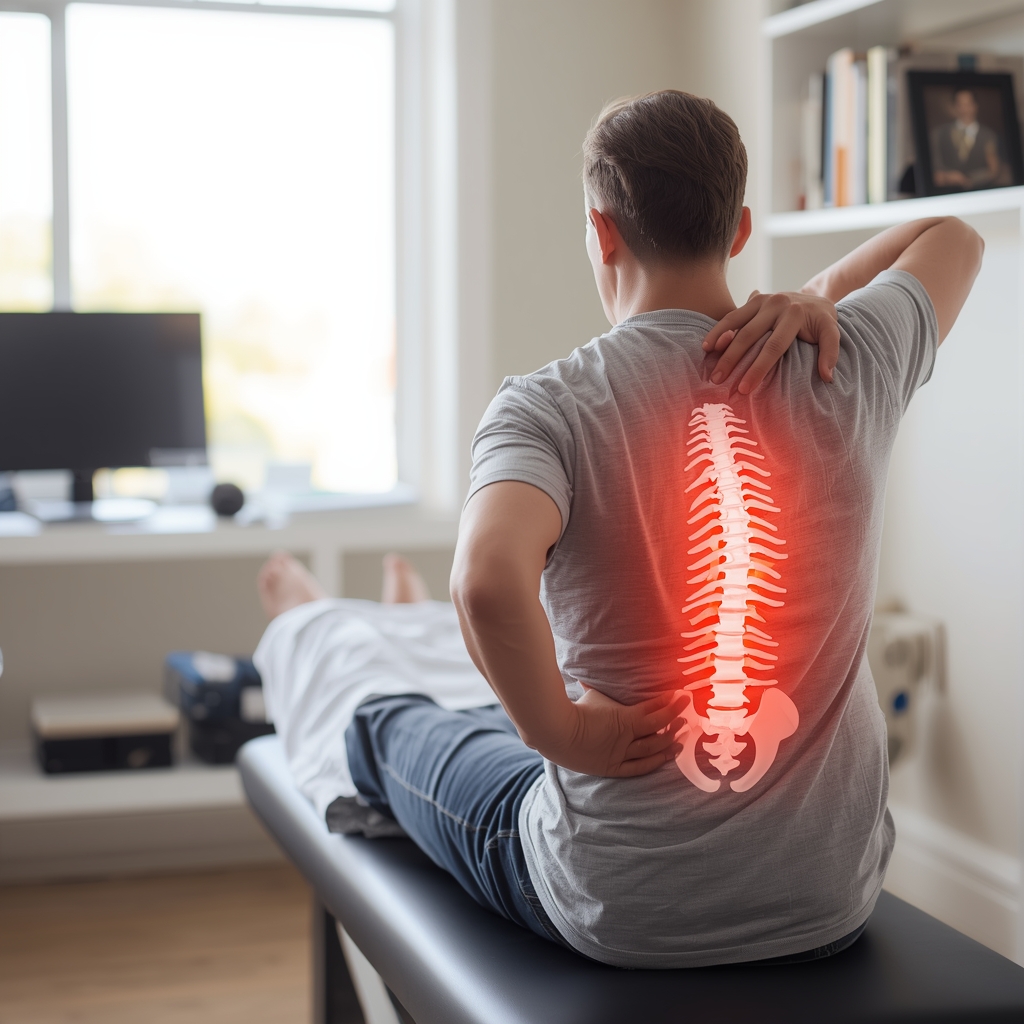
Understanding Degenerative Disc Disease and Treatment Options
Degenerative disc disease (DDD) is a condition where the intervertebral discs in the spine lose hydration and elasticity over time, leading to pain, reduced mobility, and nerve compression. While not a "disease" in the traditional sense, it’s a common cause of chronic back and neck pain. Two primary approaches to managing DDD are disc decompression techniques and traditional chiropractic adjustments. Disc decompression often involves mechanical devices or manual traction to reduce pressure on the discs, while traditional adjustments focus on spinal manipulation to restore alignment. Both aim to alleviate symptoms but differ in methodology and application. Understanding these differences helps patients and providers choose the most appropriate strategy for individual needs.
How Disc Decompression Techniques Work
Disc decompression techniques, such as spinal traction or mechanical decompression, use controlled force to gently stretch the spine. This creates negative pressure within the discs, potentially drawing herniated material back into place and relieving nerve pressure. These methods are often used for herniated or bulging discs, though they may also benefit patients with DDD. The process is typically non-invasive and may be combined with other therapies like physical exercises. However, results can vary, and the effectiveness often depends on the severity of the condition and the patient’s overall health. Some studies suggest decompression may provide short-term relief, but long-term outcomes remain less clear.
Traditional Chiropractic Adjustments and Their Role
Traditional chiropractic adjustments involve manual manipulation of the spine to correct misalignments (subluxations) and improve nervous system function. For DDD, adjustments may help reduce inflammation, enhance mobility, and alleviate pain by restoring proper spinal mechanics. Unlike decompression, which targets disc pressure directly, adjustments focus on the broader musculoskeletal system. Many patients report symptom relief after adjustments, though outcomes depend on the practitioner’s skill and the patient’s response. While some research highlights the benefits of chiropractic care for spinal conditions, evidence specifically linking adjustments to DDD improvement remains limited. Still, many providers consider adjustments a foundational component of conservative DDD management.
Comparing Effectiveness and Evidence
Both disc decompression and traditional adjustments lack robust, large-scale studies proving long-term efficacy for DDD. However, some clinical observations suggest decompression may offer targeted relief for disc-related issues, while adjustments address broader spinal dysfunction. Patients with nerve-related symptoms might find decompression more beneficial, whereas those with generalized pain or postural imbalances may respond better to adjustments. It’s important to note that individual responses vary, and outcomes often depend on factors like condition severity, treatment frequency, and patient compliance. Neither approach is a guaranteed solution, and results are typically best when integrated with other therapies like exercise or lifestyle modifications.
Safety, Risks, and Patient Suitability
Both disc decompression and chiropractic adjustments are generally safe when performed by qualified professionals, but they carry potential risks. Decompression may cause temporary discomfort or worsen symptoms in some cases, particularly if the spine is unstable. Adjustments, while rarely harmful, can lead to side effects like soreness or, in rare instances, more serious complications. Patients with certain conditions—such as osteoporosis or spinal instability—may need to avoid specific techniques. A thorough evaluation by a chiropractor is essential to determine the safest approach. Ultimately, the choice depends on the patient’s unique health profile, preferences, and the provider’s expertise in managing DDD.
Integrating Both Approaches for Comprehensive Care
Many chiropractors combine disc decompression with traditional adjustments to address DDD from multiple angles. Decompression may relieve disc pressure, while adjustments restore spinal alignment and function. This integrated approach can enhance overall outcomes, though it requires careful coordination to avoid over-treatment. Patients should discuss their goals and concerns with their provider to develop a personalized plan. Regular follow-ups and open communication are key to adjusting the strategy as needed. While neither method is a standalone cure, combining them with lifestyle changes—like exercise and posture correction—can support long-term spinal health and symptom management.















