
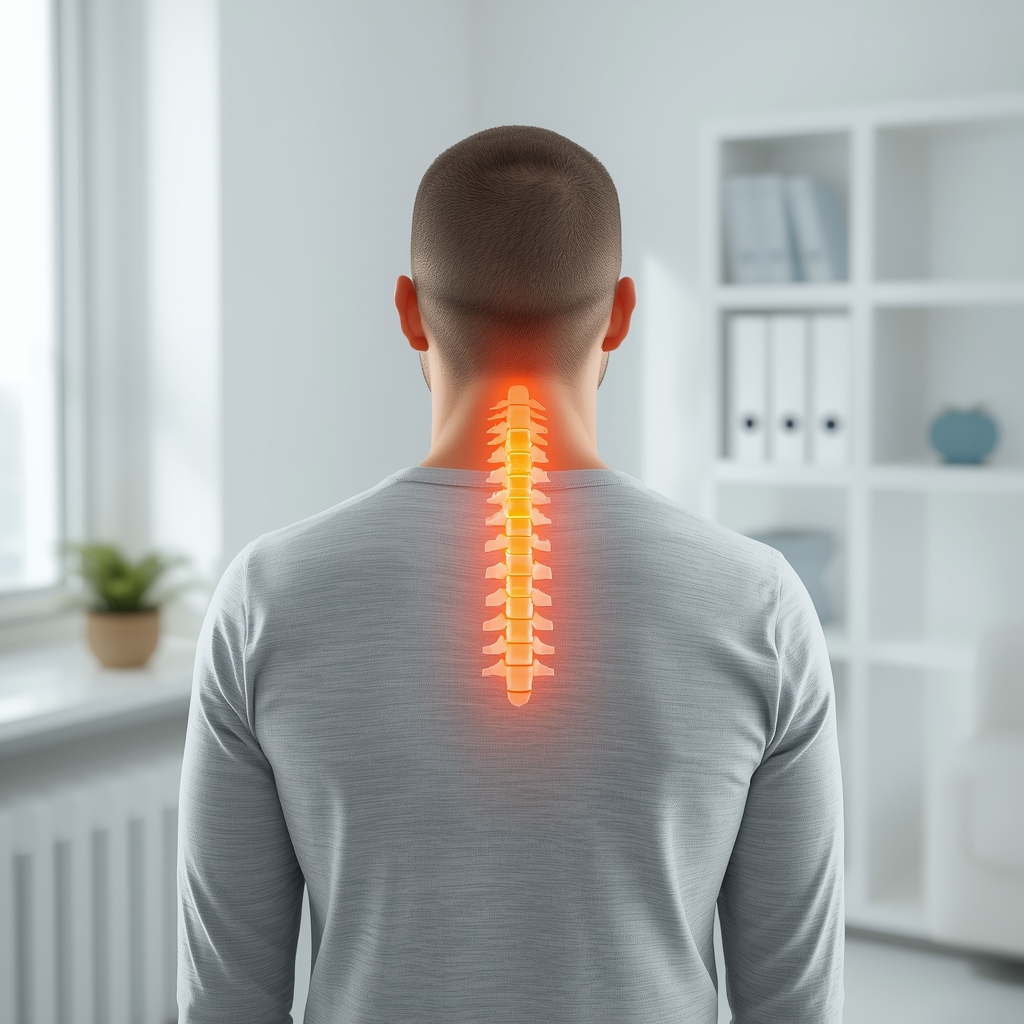
Understanding Cervical Spinal Stenosis
Cervical spinal stenosis occurs when the spinal canal in the neck narrows, potentially compressing the spinal cord or nerve roots. This condition often develops gradually due to age-related changes, such as bone spurs or thickened ligaments, and can cause symptoms like neck pain, arm numbness, weakness, and difficulty with balance. While some individuals experience mild discomfort, others may face significant functional limitations. The condition is distinct from lumbar stenosis, which affects the lower back, and requires targeted approaches for management. Chiropractic care is sometimes considered as a non-invasive option to address symptoms, though its role remains a topic of discussion among healthcare professionals. Understanding the interplay between spinal structure and symptoms is essential for exploring potential treatment strategies.
What Is Cervical Spine Manipulation?
Cervical spine manipulation involves the application of controlled force to the vertebrae in the neck to improve mobility and alignment. This technique is commonly performed by chiropractors and may aim to reduce pressure on nerves, alleviate muscle tension, and enhance overall spinal function. The procedure typically involves quick, precise movements to adjust the position of the vertebrae, though the exact method can vary based on the practitioner’s approach and the patient’s condition. While some patients report immediate relief, others may require multiple sessions to notice benefits. It is important to note that cervical manipulation is a specialized technique that should only be conducted by a trained and licensed professional. The goal is to restore balance to the cervical spine while minimizing the risk of complications, making it a consideration for those seeking non-surgical interventions.
How Cervical Manipulation May Impact Symptoms
Proponents of cervical spine manipulation suggest it may help alleviate symptoms of spinal stenosis by improving spinal alignment and reducing nerve compression. By addressing misalignments or restricted movement in the cervical vertebrae, adjustments could potentially ease pressure on affected nerves, leading to reduced pain and improved mobility. Some patients report fewer instances of numbness or tingling in the arms and hands following treatment, though individual responses vary. However, the relationship between manipulation and stenosis remains complex, as the condition involves structural changes that may not always be directly influenced by manual adjustments. While some studies indicate that spinal manipulation can provide short-term relief for certain neck-related issues, its long-term efficacy for stenosis-specific symptoms requires further investigation. Patients considering this approach should discuss expectations and potential outcomes with a qualified provider.
Safety Considerations and Risks
Cervical spine manipulation carries inherent risks, particularly when performed improperly. While rare, complications such as vertebral artery dissection or spinal cord injury have been reported in extreme cases, highlighting the importance of seeking care from a licensed chiropractor. Individuals with cervical stenosis must be evaluated thoroughly before undergoing manipulation, as certain techniques may not be suitable for their specific condition. Factors like the severity of stenosis, presence of other spinal disorders, and overall health status influence the safety of the procedure. Patients should disclose their full medical history to ensure the chosen approach is appropriate. Additionally, monitoring for adverse reactions—such as increased pain, dizziness, or neurological changes—is crucial. When performed correctly, cervical manipulation can be a safe option for some, but it is not without potential risks that warrant careful consideration.
Alternative and Complementary Approaches
For individuals with cervical spinal stenosis, chiropractic care is often part of a broader treatment plan that includes other therapies. Physical therapy, for example, may focus on strengthening neck muscles and improving flexibility, while medications can help manage pain and inflammation. In more severe cases, surgical intervention might be recommended to relieve pressure on the spinal cord. Non-invasive options like acupuncture, massage, or heat therapy are also sometimes used to complement spinal adjustments. The effectiveness of these approaches varies, and a personalized strategy is essential. Chiropractors may collaborate with other healthcare providers to ensure a coordinated plan that addresses both structural and symptomatic aspects of the condition. Patients are encouraged to explore all available options and discuss their preferences with a qualified professional to determine the most suitable course of action.
When to Consult a Chiropractor
If you are experiencing symptoms of cervical spinal stenosis, such as persistent neck pain, arm weakness, or difficulty with coordination, consulting a chiropractor may be a step worth considering. However, it is crucial to seek care from a licensed and experienced provider who has expertise in treating spinal conditions. A thorough evaluation, including a review of your medical history and diagnostic imaging if necessary, will help determine whether cervical manipulation is a viable option for you. Chiropractors can also offer guidance on lifestyle modifications, ergonomic adjustments, and exercises to support spinal health. While manipulation may provide relief for some, it is not a universal solution, and alternative treatments may be recommended based on your individual needs. Open communication with your healthcare team ensures that you make informed decisions about your care and explore all potential pathways to symptom management.












