
Understanding the Autonomic Nervous System and Anxiety
The autonomic nervous system (ANS) regulates involuntary bodily functions like heart rate, digestion, and stress responses. It consists of two main branches: the sympathetic nervous system (SNS), which triggers the fight-or-flight response, and the parasympathetic nervous system (PNS), which promotes rest and recovery. Anxiety often involves an overactive SNS, leading to symptoms like rapid heartbeat, tension, and hypervigilance. Conversely, a balanced ANS supports emotional stability and physical relaxation. Chiropractic care, particularly cervical spine manipulation, may influence this balance by addressing structural imbalances that disrupt nerve signaling. By realigning the spine, chiropractors aim to reduce interference in the nervous system, potentially enhancing PNS activity and mitigating anxiety symptoms. This connection between spinal health and mental well-being underscores the importance of exploring how manual adjustments can support holistic wellness.
How Cervical Spine Manipulation Influences the ANS
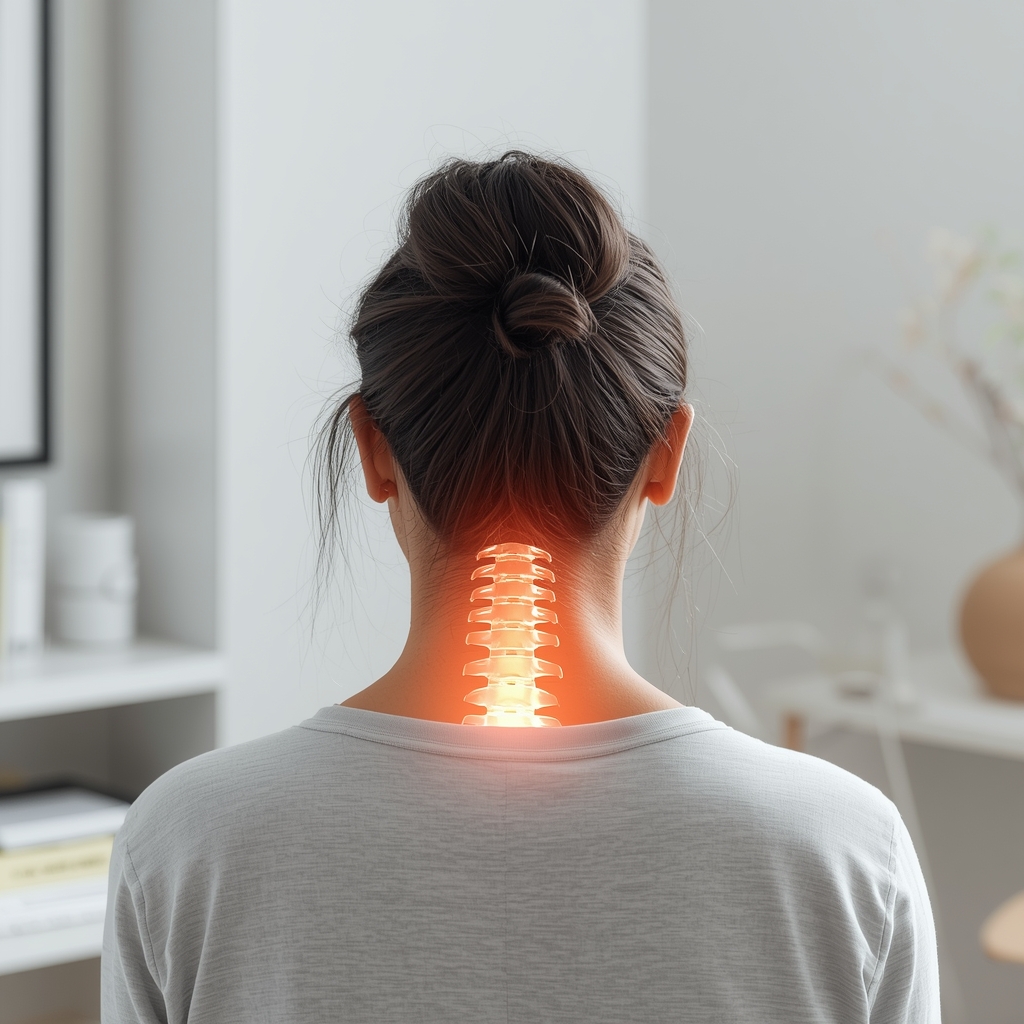
Cervical spine manipulation involves precise adjustments to the vertebrae in the neck, which house critical nerve pathways connecting the brain to the rest of the body. Misalignments, or subluxations, in this region can irritate nerves, disrupting the flow of signals between the brain and organs. This disruption may contribute to heightened sympathetic activity, exacerbating anxiety. By restoring proper alignment, chiropractic adjustments can reduce nerve irritation, allowing the ANS to function more efficiently. For example, the vagus nerve, a key component of the PNS, runs through the cervical spine and plays a role in regulating heart rate and digestion. Stimulating this nerve through spinal realignment may promote a calming effect, counterbalancing the body’s stress response. While the exact mechanisms are still under study, many practitioners observe that patients report reduced anxiety after cervical adjustments, suggesting a potential link between spinal health and emotional regulation.
Physiological Mechanisms Behind the Connection
The cervical spine’s proximity to the brainstem and spinal cord makes it a crucial hub for ANS regulation. The brainstem controls vital functions like breathing and heart rate, while the spinal cord serves as a conduit for nerve signals. When cervical vertebrae are misaligned, they may compress or irritate nerves, leading to disrupted communication between the brain and body. This interference can trigger or worsen anxiety by keeping the SNS in a heightened state. Chiropractic adjustments aim to correct these misalignments, reducing mechanical stress on nerves and restoring normal signaling. Additionally, the act of manipulation may stimulate mechanoreceptors in the neck, sending signals to the brain that promote relaxation. These receptors are thought to influence the ANS by modulating the release of neurotransmitters like GABA, which has calming effects. While research is ongoing, these physiological interactions highlight how spinal care could support mental health by fostering a balanced nervous system.
Techniques Used in Cervical Spine Manipulation
Chiropractors employ various techniques to manipulate the cervical spine, each tailored to the patient’s needs. The diversified technique involves a quick, controlled thrust to realign vertebrae, while the activator method uses a handheld instrument to deliver gentle adjustments. Upper cervical specific techniques, such as the Gonstead or Blair methods, focus on precise corrections to the atlas or axis vertebrae, which are critical for head and neck movement. Soft tissue therapies, like myofascial release, may also be used to address tension in neck muscles that could contribute to nerve irritation. Some practitioners incorporate posture assessments and corrective exercises to enhance the effects of adjustments. While these methods vary, their common goal is to reduce structural imbalances that may impact the ANS. Patients often report improved mobility and reduced stress after these interventions, though outcomes depend on individual factors. Consulting a qualified chiropractor is essential to determine the most appropriate approach for each case.
Evidence and Research on Cervical Adjustments for Anxiety
While research on cervical spine manipulation and anxiety is still emerging, preliminary studies suggest a potential connection between spinal health and mental well-being. Some investigations indicate that chiropractic adjustments may influence heart rate variability (HRV), a marker of ANS balance, by promoting parasympathetic activity. However, large-scale, controlled trials are needed to confirm these findings. Case studies and patient reports often highlight reduced anxiety symptoms following cervical care, though these anecdotes should not be interpreted as definitive proof. It is important to note that chiropractic treatment is typically part of a broader wellness strategy, alongside lifestyle changes and professional mental health support. While the physiological mechanisms remain complex, many individuals find that addressing spinal misalignments complements other anxiety management techniques. As with any therapeutic intervention, results can vary, and patients should discuss their options with a licensed chiropractor and healthcare provider to ensure a safe, personalized approach.
Considerations and Next Steps
Before pursuing cervical spine manipulation for anxiety, it is crucial to consult a licensed chiropractor who can evaluate your specific condition and medical history. Not all techniques are suitable for every individual, and a thorough assessment helps identify the most appropriate adjustments. Patients should also communicate openly with their primary care physician, especially if they have preexisting conditions like hypertension or cervical spine disorders. While chiropractic care is generally safe when performed by a qualified professional, it is not a substitute for evidence-based mental health treatments such as therapy or medication. Instead, it may serve as a complementary approach to support overall wellness. For those interested in exploring this option, seeking recommendations from trusted healthcare providers or patient reviews can help find a reputable practitioner. By combining professional guidance with a holistic perspective, individuals can make informed decisions about how spinal care might contribute to their anxiety management journey.














