
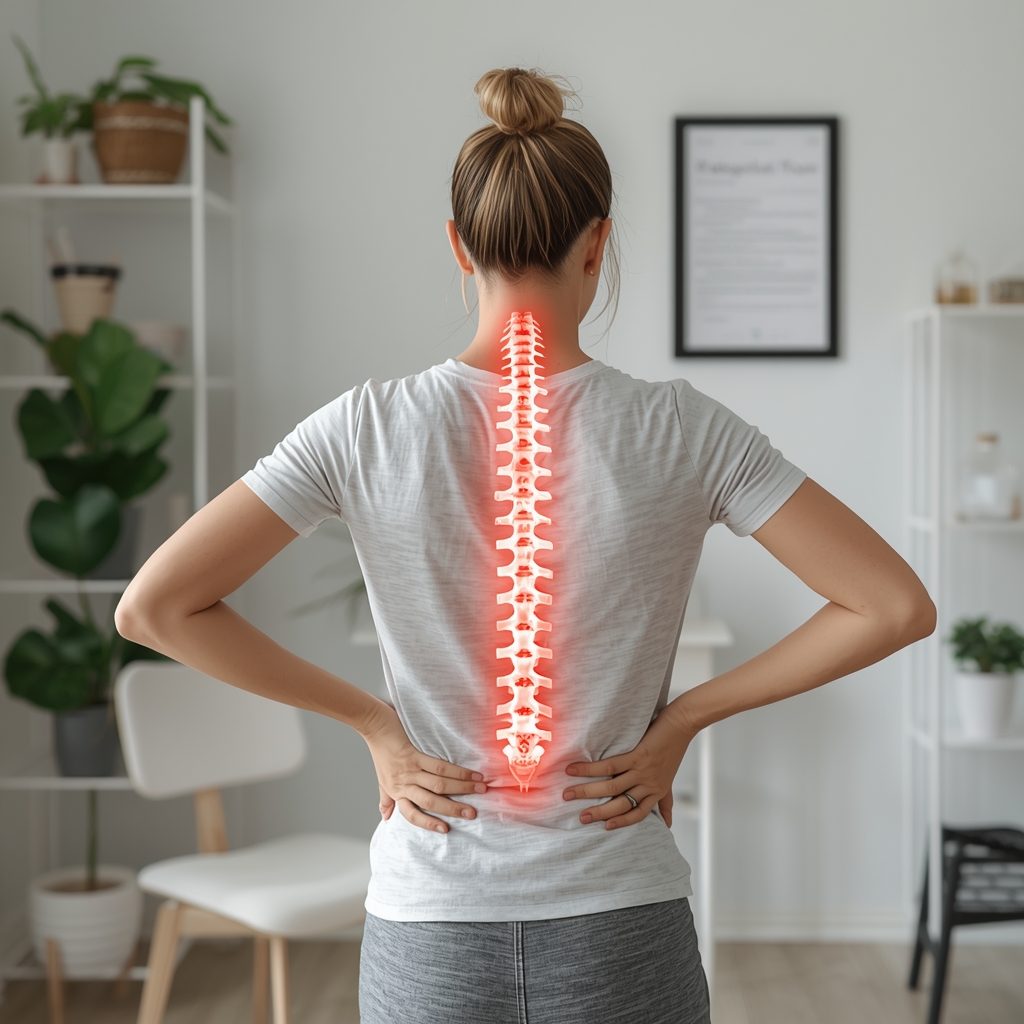
Understanding Spinal Stenosis and Posture's Role
Spinal stenosis occurs when the spaces within the spine narrow, potentially compressing the spinal cord or nerves. This can lead to pain, numbness, or weakness in the legs, back, or arms. While medical treatments like medication, injections, or surgery are common, posture correction plays a supportive role in managing symptoms. Poor posture can exacerbate spinal compression, while mindful adjustments may reduce pressure on affected areas. For example, slouching or excessive forward head positioning can alter spinal alignment, worsening discomfort. By addressing these habits, individuals may experience improved mobility and reduced strain on the spine. However, posture correction is not a substitute for professional care but rather a complementary strategy to enhance overall treatment outcomes.
How Posture Affects Spinal Stenosis Symptoms
Posture directly influences the mechanics of the spine, which is critical for those with spinal stenosis. When the spine is misaligned due to poor posture, it can narrow the spinal canal further, increasing pressure on nerves. This may intensify symptoms like leg pain or tingling. Conversely, maintaining an upright, balanced posture can help distribute weight more evenly, potentially relieving some pressure. For instance, sitting with proper lumbar support or avoiding prolonged bending may prevent symptom flare-ups. Additionally, correcting forward head posture—common in desk workers—can reduce strain on the cervical spine, which may indirectly ease related discomfort. While these adjustments alone may not cure stenosis, they can create a more stable foundation for other treatments to work effectively.
Posture Correction Techniques for Spinal Stenosis
Effective posture correction involves a combination of awareness, exercises, and ergonomic adjustments. Simple practices like sitting with feet flat on the floor and shoulders back can promote better alignment. Strengthening core muscles through targeted exercises may also support the spine, reducing the risk of slouching. Physical therapists or chiropractors often recommend specific stretches to improve flexibility and reduce stiffness. For example, gentle neck retractions can counteract forward head posture, while wall angels may enhance upper back mobility. Additionally, using supportive pillows or ergonomic chairs can reinforce proper positioning during daily activities. These techniques are most effective when practiced consistently, as they help retrain the body to maintain healthier postural habits over time.
Complementing Medical Treatments with Posture Adjustments
Posture correction works best when integrated with other spinal stenosis treatments. For instance, chiropractic adjustments may realign the spine, while posture improvements help maintain those results. Physical therapy often includes posture education as part of a broader rehabilitation plan. Patients undergoing epidural steroid injections or medication may also benefit from posture changes that reduce the likelihood of symptom recurrence. In surgical cases, maintaining proper posture can aid recovery and prevent complications. However, it’s essential to coordinate these efforts with healthcare providers to ensure safety and effectiveness. A chiropractor can guide patients in identifying postural habits that worsen their condition and develop a tailored strategy to address them alongside conventional therapies.
Integrating Posture Correction into Daily Life
Incorporating posture correction into daily routines requires mindfulness and gradual changes. Simple reminders, such as setting an alarm to check posture every hour, can help build awareness. Ergonomic adjustments at work—like using a standing desk or adjusting monitor height—can support better positioning. Exercise routines that focus on flexibility and strength, such as yoga or Pilates, may also reinforce proper alignment. Additionally, avoiding habits like crossing legs or sleeping in awkward positions can prevent unnecessary strain. For individuals with spinal stenosis, consistency is key; small, sustained changes often yield more lasting benefits than occasional efforts. By making posture a priority, patients can create a supportive environment for their overall spinal health and treatment plan.
When to Consult a Chiropractor for Posture Support
While self-guided posture improvements can help, consulting a chiropractor offers personalized guidance for spinal stenosis management. A chiropractor can assess individual postural patterns and identify specific areas needing correction. They may use techniques like spinal adjustments or soft tissue therapy to address misalignments contributing to poor posture. Additionally, they can recommend tailored exercises or ergonomic modifications based on a patient’s lifestyle. For example, a chiropractor might suggest specific stretches for those with chronic neck pain from forward head posture. Regular check-ins with a chiropractor ensure that posture corrections align with broader treatment goals. Patients should seek professional advice if symptoms persist or worsen, as a chiropractor can help refine strategies to optimize outcomes.














