
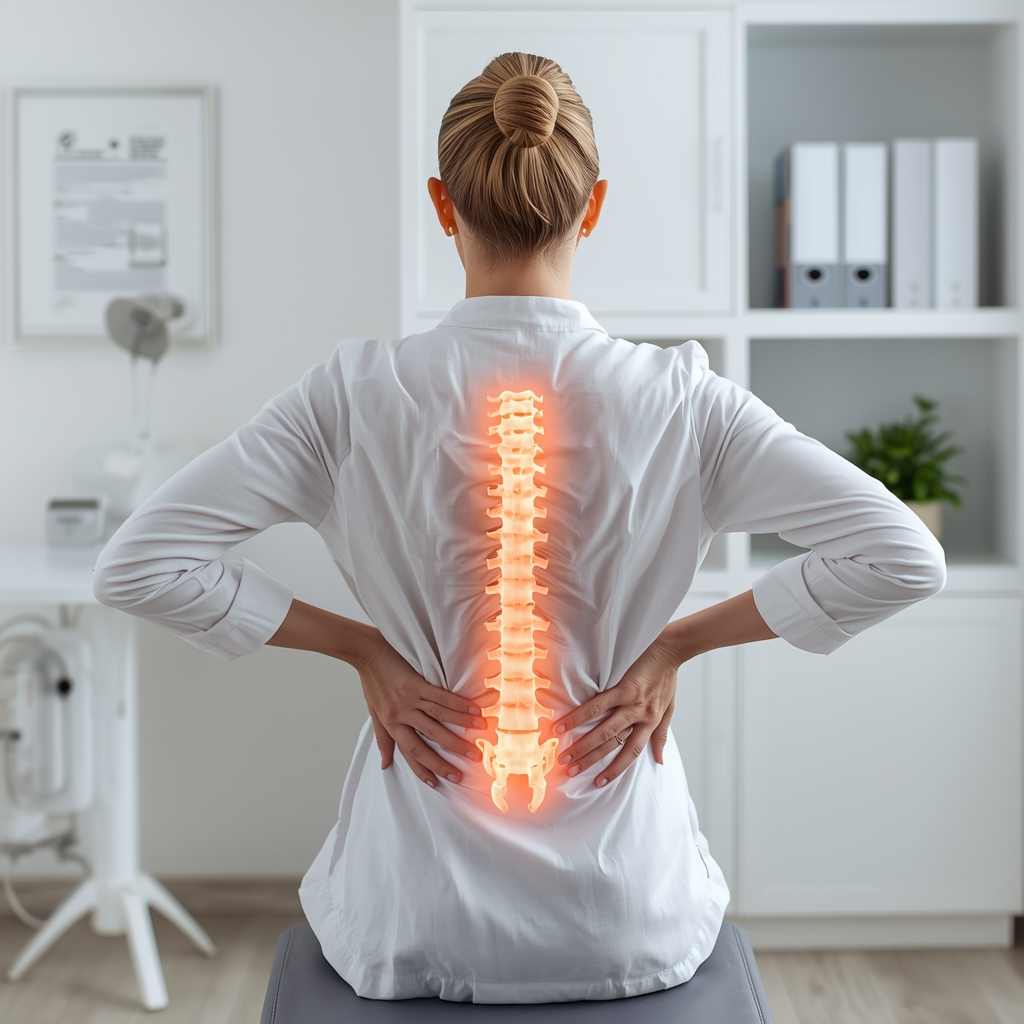
Understanding Sciatica and Spinal Manipulation
Sciatica refers to pain radiating along the sciatic nerve, often caused by compression or irritation of the spinal nerves in the lower back. Common symptoms include sharp, shooting pain down the leg, numbness, or tingling. Spinal manipulation, a core technique in chiropractic care, involves precise, controlled forces applied to the spine to improve alignment and function. For sciatica, this approach aims to alleviate pressure on the affected nerve roots, potentially reducing inflammation and restoring normal movement. While not a cure, spinal manipulation is often used as part of a broader strategy to manage symptoms and support the body’s natural healing processes. Understanding its role requires examining how adjustments interact with the nervous and musculoskeletal systems to address the root causes of sciatic discomfort.
How Spinal Manipulation May Alleviate Sciatica
Spinal manipulation works by targeting misalignments in the spine, known as subluxations, which may contribute to nerve compression. For sciatica, this could involve adjusting the lumbar or sacral regions to relieve pressure on the sciatic nerve. By realigning the vertebrae, chiropractors aim to reduce inflammation, improve joint mobility, and enhance nerve communication. This process may also stimulate the body’s release of endorphins, natural pain-relievers that can ease discomfort. Additionally, improved spinal mechanics can reduce strain on surrounding muscles and ligaments, which may exacerbate sciatic symptoms. While the exact mechanisms are still studied, many patients report reduced pain and increased mobility after adjustments. However, results vary, and it is essential to consult a qualified chiropractor to determine if this approach aligns with individual needs.
Evidence and Research on Spinal Manipulation for Sciatica
Research on spinal manipulation for sciatica is ongoing, with studies highlighting its potential benefits. Some reviews suggest that adjustments may provide short-term relief by reducing nerve irritation and improving spinal function. For example, a 2018 study published in the Journal of Manipulative and Physiological Therapeutics found that patients receiving spinal manipulation reported significant improvements in pain and disability scores compared to those receiving other treatments. However, the evidence is not conclusive, and more rigorous trials are needed to establish long-term efficacy. It is also important to note that spinal manipulation is often used alongside other therapies, such as exercise or physical therapy, to address sciatica comprehensively. While these findings are promising, they underscore the need for personalized care and ongoing evaluation by healthcare professionals.
Safety and Potential Risks of Spinal Manipulation
Spinal manipulation is generally considered safe when performed by a licensed chiropractor, but it is not without risks. Common side effects include temporary soreness, stiffness, or mild fatigue after an adjustment. In rare cases, more serious complications such as herniated discs or vascular issues may occur, though these are exceedingly rare. Patients with certain conditions, such as osteoporosis, spinal cord compression, or a history of spinal surgery, should exercise caution and discuss their medical history with a provider before undergoing treatment. It is also crucial to ensure that the chiropractor is properly trained and uses appropriate techniques. While spinal manipulation can be a valuable tool for managing sciatica, it should always be part of a broader care plan that prioritizes patient safety and individualized assessment.
When Spinal Manipulation Is Recommended for Sciatica
Spinal manipulation may be recommended for sciatica when conservative treatments have not provided sufficient relief. It is often considered for patients experiencing acute or subacute symptoms, such as lower back pain radiating down the leg. Chiropractors may use adjustments to address underlying spinal misalignments contributing to nerve compression, particularly in cases where the sciatica is linked to herniated discs or spinal stenosis. However, it is not typically the first line of treatment for severe or chronic sciatica, which may require imaging, medication, or other interventions. The decision to pursue spinal manipulation should be based on a thorough evaluation of the patient’s condition, medical history, and goals. A chiropractor can help determine if this approach is suitable and how it might complement other therapies.
Conclusion: Integrating Spinal Manipulation into Sciatica Care
Spinal manipulation offers a non-invasive option for managing sciatica symptoms by addressing spinal misalignments and reducing nerve irritation. While research supports its potential benefits, results can vary, and it is not a one-size-fits-all solution. Patients considering this approach should work closely with a licensed chiropractor to develop a personalized plan that aligns with their health needs. It is also important to recognize that spinal manipulation is often most effective when combined with other strategies, such as exercise, posture correction, or physical therapy. As with any treatment, open communication with healthcare providers is key to ensuring safety and optimizing outcomes. For those seeking relief from sciatica, exploring chiropractic care as part of a comprehensive approach may provide meaningful improvements in comfort and mobility.















