
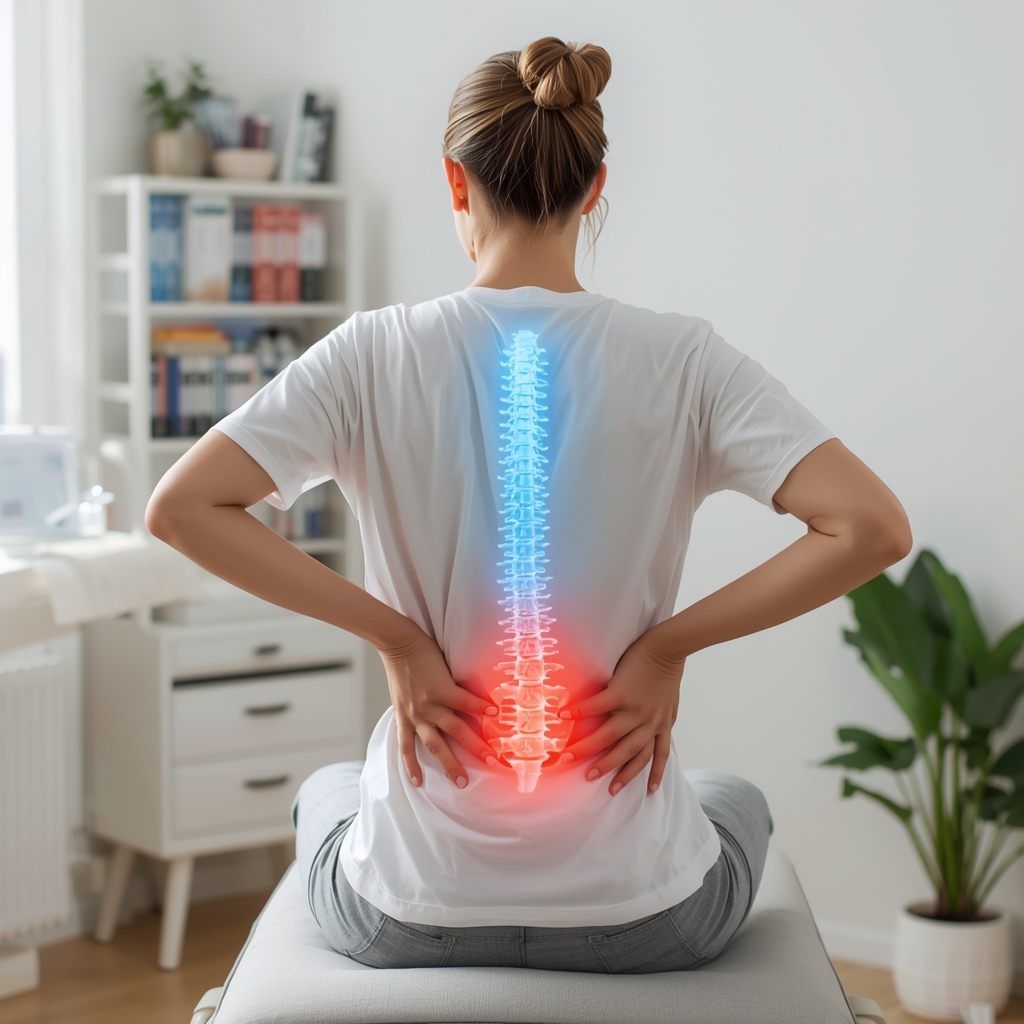
Understanding Sciatica and the Role of Chiropractic Care
Sciatica refers to pain radiating along the path of the sciatic nerve, often caused by compression or irritation of the nerve roots in the lower back. Common symptoms include lower back pain, numbness, and tingling that extends down the leg. Chiropractic care focuses on addressing the root cause of such nerve compression through manual adjustments and other non-invasive techniques. While sciatica can stem from herniated discs, spinal stenosis, or muscle imbalances, chiropractors aim to realign the spine and reduce pressure on affected nerves. This approach is often used alongside other therapies to improve mobility and alleviate discomfort. It’s important to note that individual results may vary, and consulting a licensed chiropractor is essential to determine the most suitable treatment plan for your specific condition.
Lumbar Spinal Adjustments for Nerve Relief
Lumbar spinal adjustments are a cornerstone of chiropractic treatment for sciatica, targeting the lower back to restore proper alignment and relieve nerve compression. By gently manipulating the vertebrae, chiropractors can reduce pressure on the sciatic nerve roots, which often become irritated due to misalignment or herniated discs. This technique helps improve spinal function and may decrease inflammation around the affected area. Patients often report reduced pain and improved mobility after these adjustments, though the process may require multiple sessions for lasting results. The goal is to create a stable, balanced spine that minimizes the risk of future nerve irritation. While lumbar adjustments are widely used, their effectiveness depends on the underlying cause of sciatica, making a thorough evaluation by a chiropractor critical before proceeding.
Sacroiliac Joint Adjustments to Alleviate Pain
The sacroiliac (SI) joint connects the spine to the pelvis and is a common source of sciatica-related discomfort. When this joint becomes misaligned or inflamed, it can compress the sciatic nerve, leading to pain that radiates into the hips and legs. Chiropractors use targeted adjustments to restore proper function to the SI joint, reducing pressure on surrounding nerves and muscles. These adjustments may involve gentle thrusts or mobilization techniques to realign the joint and improve stability. By addressing SI joint dysfunction, chiropractors can help alleviate referred pain and improve overall lower body mechanics. Patients often experience relief from localized pain and increased range of motion. However, the effectiveness of these adjustments varies, and a personalized assessment is necessary to determine if SI joint issues are contributing to sciatica symptoms.
Piriformis Muscle Release Techniques
The piriformis muscle, located in the buttocks, can sometimes compress the sciatic nerve, leading to piriformis syndrome—a condition that mimics sciatica. Chiropractors may use soft tissue techniques, such as Active Release Technique (ART), to release tension in this muscle and relieve nerve pressure. These methods involve applying sustained pressure while the patient moves the affected leg, helping to break up adhesions and restore normal muscle function. By addressing piriformis muscle tightness, chiropractors can reduce sciatic nerve irritation and improve hip mobility. This approach is often combined with spinal adjustments for a comprehensive treatment plan. While not a standalone solution for all sciatica cases, piriformis release can be particularly effective when the condition stems from muscular imbalances rather than spinal misalignment.
Decompression Therapy for Spinal Relief
Spinal decompression therapy is a non-surgical option that gently stretches the spine to relieve pressure on compressed nerves, including the sciatic nerve. This technique uses a specialized table or device to create negative pressure within the discs, which can help reposition herniated material and reduce nerve irritation. By alleviating pressure on the spinal column, decompression therapy may decrease inflammation and promote healing in the affected area. Patients often experience reduced pain and improved mobility after a series of sessions. This method is particularly beneficial for sciatica caused by herniated discs or spinal stenosis. While decompression therapy is generally safe, it’s important to discuss its suitability with a chiropractor, as individual conditions may require alternative approaches.
Postural Correction and Ergonomic Adjustments
Improper posture and daily habits can exacerbate sciatica by placing undue stress on the spine and sciatic nerve. Chiropractors often recommend postural correction exercises and ergonomic adjustments to reduce strain on the lower back. Simple changes, such as adjusting desk height, using supportive chairs, or modifying sleeping positions, can significantly impact nerve compression. Chiropractors may also teach patients how to maintain proper alignment during daily activities to prevent recurring symptoms. These strategies are often part of a broader treatment plan that includes spinal adjustments and soft tissue work. By addressing lifestyle factors, patients can enhance the effectiveness of chiropractic care and reduce the likelihood of future sciatica flare-ups. Consistent follow-up with a chiropractor ensures that these adjustments remain tailored to individual needs.














