
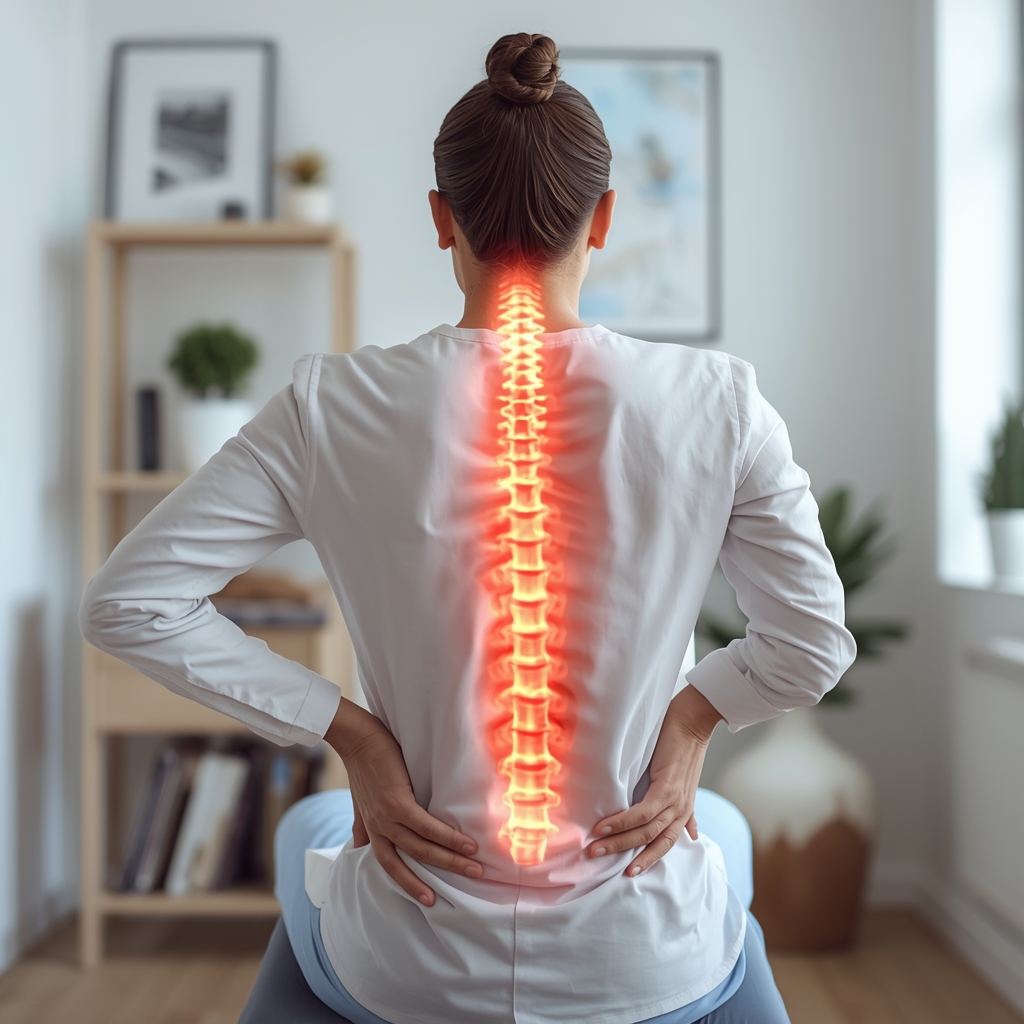
Understanding Sciatica and Spinal Adjustments
Sciatica refers to pain radiating along the sciatic nerve, often caused by compression or irritation of spinal nerves. Spinal adjustments, a core chiropractic technique, aim to realign the spine and alleviate pressure on affected nerves. While the exact mechanisms remain under study, research suggests these adjustments may influence neurological pathways to reduce pain and improve function. By addressing misalignments, chiropractors seek to restore proper nerve communication, which could help the body self-regulate and heal. This approach focuses on the nervous system's role in pain perception and musculoskeletal health, emphasizing non-invasive, holistic care.
Relief of Nerve Compression and Pressure
One primary goal of spinal adjustments is to reduce pressure on compressed nerves, a common cause of sciatica. When spinal vertebrae shift out of alignment, they can pinch nerves, leading to inflammation and pain. Adjustments may help reposition these vertebrae, potentially easing nerve compression. This mechanical correction could restore normal nerve signaling, reducing pain signals sent to the brain. While the precise physiological changes are not fully understood, many patients report symptom relief after adjustments. However, individual results vary, and a chiropractor can assess whether this approach suits specific cases.
Modulation of the Central Nervous System
Spinal adjustments may influence the central nervous system (CNS) by altering sensory input from the spine to the brain. This interaction could affect pain processing and muscle control. Some theories suggest that adjustments stimulate mechanoreceptors in the joints and soft tissues, sending signals that modulate pain pathways. This could lead to reduced pain perception and improved motor function. Additionally, the CNS plays a role in regulating inflammation and healing responses. While these mechanisms are complex, chiropractic care is often viewed as a way to support the body's natural regulatory processes, though further research is needed to confirm these effects.
Reduction of Muscle Tension and Spasms
Sciatica often causes surrounding muscles to tighten or spasm, exacerbating pain and limiting mobility. Spinal adjustments may help relax these muscles by restoring proper spinal alignment and reducing nerve irritation. When the spine is properly positioned, it can decrease the reflexive muscle contractions that contribute to discomfort. This relaxation can improve blood flow and reduce inflammation in affected areas. However, the relationship between spinal alignment and muscle tension is multifaceted, and a chiropractor can evaluate whether adjustments, combined with other therapies, might benefit individual cases.
Impact on Inflammatory Responses
Inflammation is a key factor in sciatica-related pain, often stemming from herniated discs or spinal stenosis. Some research suggests that spinal adjustments may influence inflammatory processes by altering nerve activity and blood flow. By reducing nerve irritation, adjustments could indirectly lower inflammation in the affected area. Additionally, improved spinal mechanics may enhance lymphatic drainage, aiding in the removal of inflammatory byproducts. While the evidence is not definitive, these potential effects highlight the interconnected nature of the musculoskeletal and nervous systems. A healthcare provider can help determine if this approach aligns with a patient's needs.
Enhancing Proprioception and Neural Feedback
Proprioception—the body's ability to sense its position and movement—is critical for maintaining balance and coordination. Spinal adjustments may improve proprioceptive feedback by restoring normal joint motion and nerve function. This could help the body better regulate muscle activity and reduce pain signals. Enhanced proprioception might also support long-term recovery by promoting healthier movement patterns. However, the extent of these effects varies among individuals. A chiropractor can guide patients on whether adjustments, alongside other strategies, might contribute to improved neurological function and overall well-being.












