
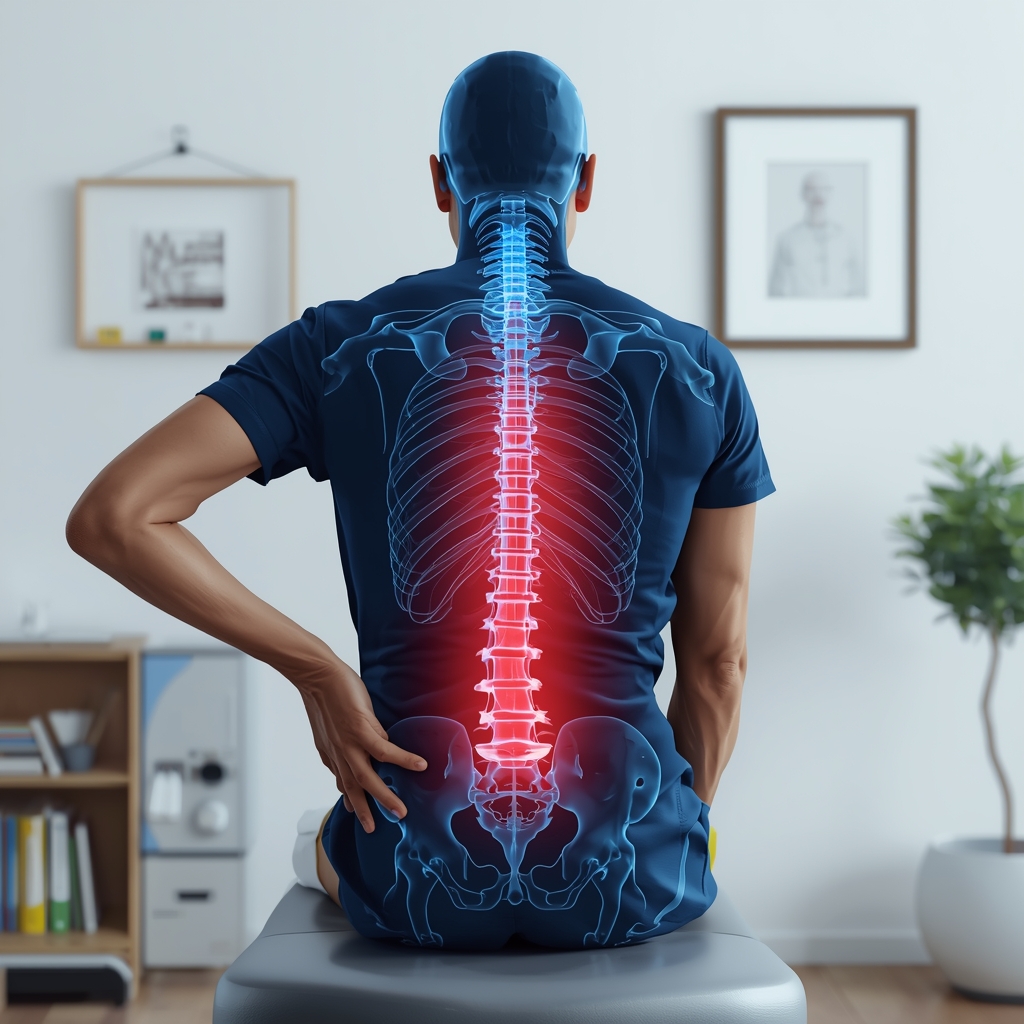
Understanding Nerve Pressure Relief During Adjustments
Spinal adjustments aim to alleviate sciatica by addressing nerve compression in the lumbar spine. The sciatic nerve, the body's largest nerve, runs from the lower back through the hips and legs. Misalignments or subluxations in the spine can irritate this nerve, causing pain, numbness, or tingling. Chiropractic adjustments involve precise, controlled forces to realign vertebrae, reducing pressure on the sciatic nerve. This process may improve nerve function by restoring proper spinal mechanics and decreasing mechanical stress on neural structures. While the exact mechanisms remain under study, many patients report symptom relief after adjustments, suggesting a potential link between spinal realignment and neural health.
Impact on Inflammation and Soft Tissue
Sciatica often involves inflammation around the sciatic nerve, which can exacerbate pain and discomfort. Spinal adjustments may help reduce inflammation by improving circulation and lymphatic drainage in the affected area. When the spine is properly aligned, it can decrease mechanical irritation that triggers inflammatory responses. Additionally, adjustments might stimulate the body's natural anti-inflammatory processes by modulating nervous system activity. This dual effect—reducing both physical pressure and biochemical inflammation—could contribute to symptom relief. However, research on this specific mechanism remains ongoing, and individual results may vary.
Relaxing Muscle Tension and Spasms
Sciatica frequently coexists with muscle tension or spasms in the lower back and glutes, which can worsen nerve compression. Chiropractic adjustments may help relax these muscles by restoring normal spinal function and reducing protective muscle guarding. When vertebrae are misaligned, the body often compensates by tightening surrounding muscles, leading to chronic tension. Adjustments can break this cycle by improving joint mobility and decreasing the need for muscular compensation. This relaxation may indirectly ease pressure on the sciatic nerve, promoting better movement and reducing pain. Patients often notice improved flexibility and reduced stiffness following adjustments, though this effect is typically part of a broader treatment plan.
Neurological Feedback and Reflex Responses
The nervous system plays a central role in how spinal adjustments affect sciatica. Adjustments can influence proprioceptive feedback, which helps the body sense its position and movement. By correcting spinal misalignments, adjustments may enhance this feedback loop, improving neuromuscular coordination. Additionally, adjustments can stimulate mechanoreceptors in the joints and muscles, which send signals to the brain to modulate pain perception. This neurological interaction might explain why some patients experience immediate relief after an adjustment. However, the exact pathways involved are complex and not fully understood, highlighting the need for further research into the neurophysiological effects of chiropractic care.
Restoring Spinal Biomechanics
Proper spinal alignment is crucial for optimal nerve function and overall musculoskeletal health. Sciatica can result from biomechanical imbalances, such as excessive curvature or restricted joint motion. Chiropractic adjustments work to restore these natural biomechanics by repositioning vertebrae and improving range of motion. This restoration can reduce abnormal stress on spinal nerves, including the sciatic nerve, and promote more efficient movement patterns. Over time, consistent adjustments may help the body maintain better posture and reduce the likelihood of future sciatic episodes. While adjustments are a key component, they are often combined with other therapies to address underlying causes of nerve irritation.
Collaborating with Other Therapeutic Approaches
Chiropractic adjustments for sciatica are often part of a multifaceted treatment strategy. Physical therapy, exercise, and lifestyle modifications may complement spinal adjustments by addressing muscle weakness, flexibility, and posture. For example, stretching exercises can reduce tension on the sciatic nerve, while strengthening routines support spinal stability. Chiropractors may also recommend ergonomic adjustments or activity modifications to prevent symptom recurrence. It is essential to work with a qualified provider to tailor these approaches to individual needs. While adjustments can provide significant relief, they are most effective when integrated into a comprehensive care plan designed to address both symptoms and root causes.














