
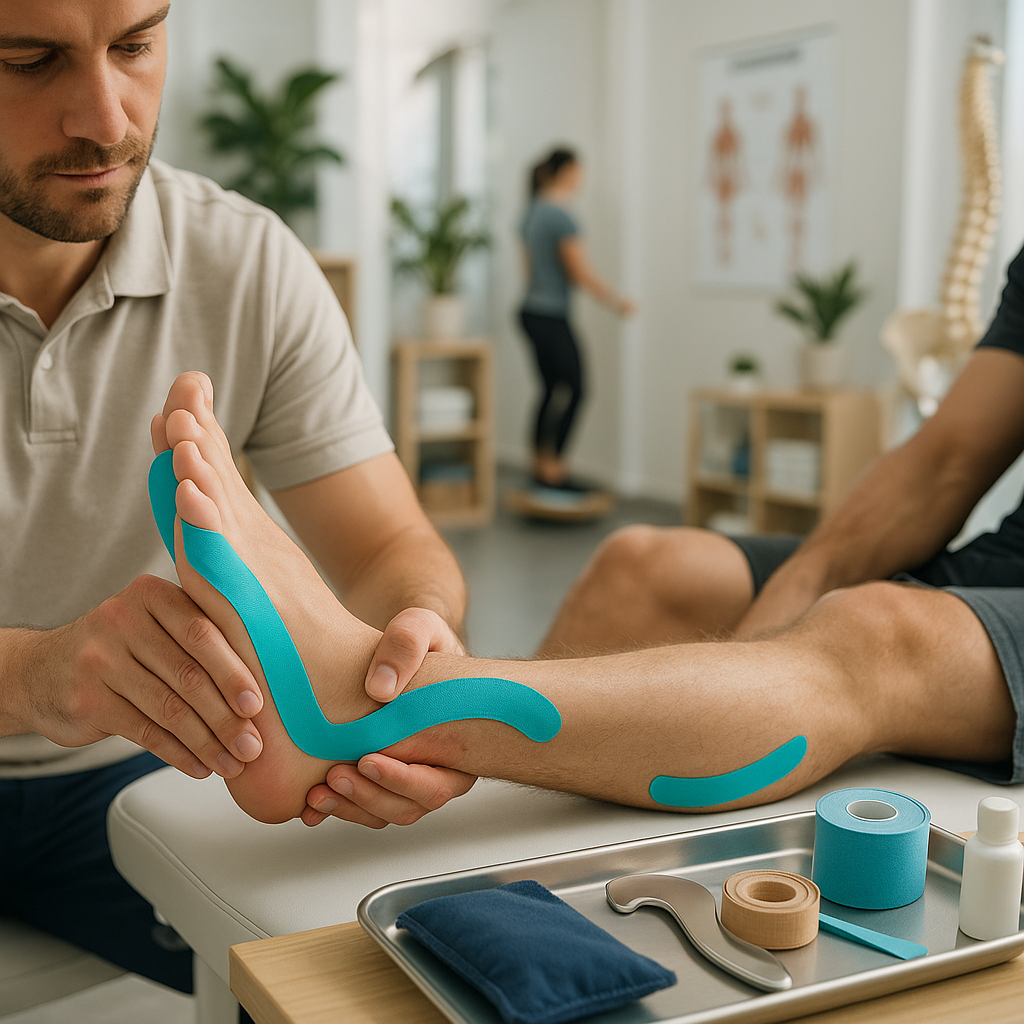
Understanding Ligament Sprains and How Chiropractic Care Can Help
Ligament sprains are among the most common musculoskeletal injuries experienced by people of all ages and activity levels. Whether caused by a sudden twist, a sports-related impact, or an awkward fall, a joint ligament injury can cause significant pain, swelling, and restricted movement. While many individuals turn to rest and over-the-counter medications as their first response, an increasing number of patients are seeking the expertise of a ligament sprain chiropractor to support recovery, restore function, and prevent long-term complications.
Chiropractic care offers a comprehensive, non-invasive approach to sprained ligament treatment that addresses not only the immediate symptoms but also the underlying mechanical issues that may have contributed to the injury. This article explores what ligament sprains are, how chiropractic techniques are applied in treatment, and what patients can expect throughout the healing process.
What Is a Ligament Sprain?
Ligaments are dense bands of fibrous connective tissue that connect bones to one another across joints. They provide stability, guide joint movement, and prevent excessive motion that could cause structural damage. When a joint is forced beyond its normal range of motion, the ligament can stretch or tear, resulting in what is clinically referred to as a sprain.
Ligament sprains are classified into three grades based on severity:
- Grade I (Mild): Minor stretching of the ligament fibers with minimal tearing. The joint remains stable, and symptoms typically include mild pain and slight swelling.
- Grade II (Moderate): A partial tear of the ligament with noticeable swelling, bruising, and moderate pain. Some degree of joint instability may be present.
- Grade III (Severe): A complete rupture of the ligament, resulting in significant joint instability, severe swelling, and pain. This grade may require more intensive intervention or surgical consultation.
Common sites for ligament sprains include the ankle, knee, wrist, shoulder, and spine. Regardless of location, a joint ligament injury can significantly disrupt daily activity and quality of life if not properly treated.
How Does Chiropractic Care Address Ligament Sprains?
Chiropractic care is founded on the principle that proper structural alignment and joint function are essential to overall health and healing. When a ligament is sprained, the surrounding joints often become misaligned or restricted in movement, which can prolong pain, impair circulation, and hinder the body’s natural repair process. A qualified chiropractor assesses the full biomechanical picture of the injury and develops a personalised treatment plan aimed at restoring function while supporting ligament healing chiropractic principles.
Initial Assessment and Diagnosis
Before any treatment begins, the chiropractor conducts a thorough evaluation that includes a detailed medical history, physical examination, and, where appropriate, referral for imaging such as X-rays or MRI scans. This assessment helps determine the severity of the sprain, identify any associated injuries, and establish whether chiropractic treatment is the appropriate course of action or whether co-management with other healthcare professionals is necessary.
Chiropractic Adjustments and Joint Mobilisation
One of the primary tools in chiropractic care is spinal and peripheral joint adjustment, also known as spinal manipulation. In the context of a ligament sprain, direct high-velocity manipulation of the affected joint is typically avoided during the acute phase to prevent further tissue damage. Instead, chiropractors may apply gentle mobilisation techniques to restore proper joint mechanics and reduce compensatory strain on surrounding tissues.
As healing progresses, more specific adjustments may be introduced to correct joint misalignments that developed as a result of the injury or altered movement patterns. Restoring proper alignment reduces mechanical stress on the healing ligament and surrounding structures, which is a fundamental aspect of effective sprained ligament treatment.
Soft Tissue Therapy
Alongside joint-focused techniques, chiropractors frequently incorporate soft tissue therapies to address muscle tension, fascial restrictions, and scar tissue formation that commonly accompany ligament injuries. These may include:
- Active Release Technique (ART): A targeted method that breaks down adhesions in muscles, tendons, and ligaments through specific movement combined with applied pressure.
- Myofascial Release: Gentle sustained pressure applied to the connective tissue to eliminate pain and restore motion.
- Instrument-Assisted Soft Tissue Mobilisation (IASTM): The use of specialised tools to detect and treat areas of fibrosis or chronic inflammation within the soft tissues.
- Trigger Point Therapy: Targeted pressure applied to hyperirritable muscle areas to relieve pain referral patterns and muscle guarding associated with the injury.
Physical Rehabilitation and Exercise Prescription
A critical component of chiropractic-based ligament healing chiropractic care is the prescription of structured rehabilitation exercises. Ligaments heal through a process of collagen remodelling, and appropriate mechanical loading during recovery has been shown to improve the quality and strength of the repaired tissue. Chiropractors design progressive exercise programmes that typically include:
- Range of motion exercises: Gentle movements to maintain and gradually restore joint flexibility without overstressing the healing tissue.
- Proprioceptive and balance training: Exercises targeting the joint’s sensory receptors to re-establish neuromuscular coordination, which is often disrupted following a ligament injury.
- Strengthening exercises: Progressive resistance training to build strength in the muscles surrounding the affected joint, providing dynamic support as the ligament heals.
Additional Resources
- NIH overview of spinal manipulation
- American Chiropractic Association patient resources
- MedlinePlus back pain resources
- What is the chiropractic treatment for dance-related injuries?
- What is the chiropractic treatment for computer-related injuries?
- What are the most common outcomes of chiropractic treatment?














