
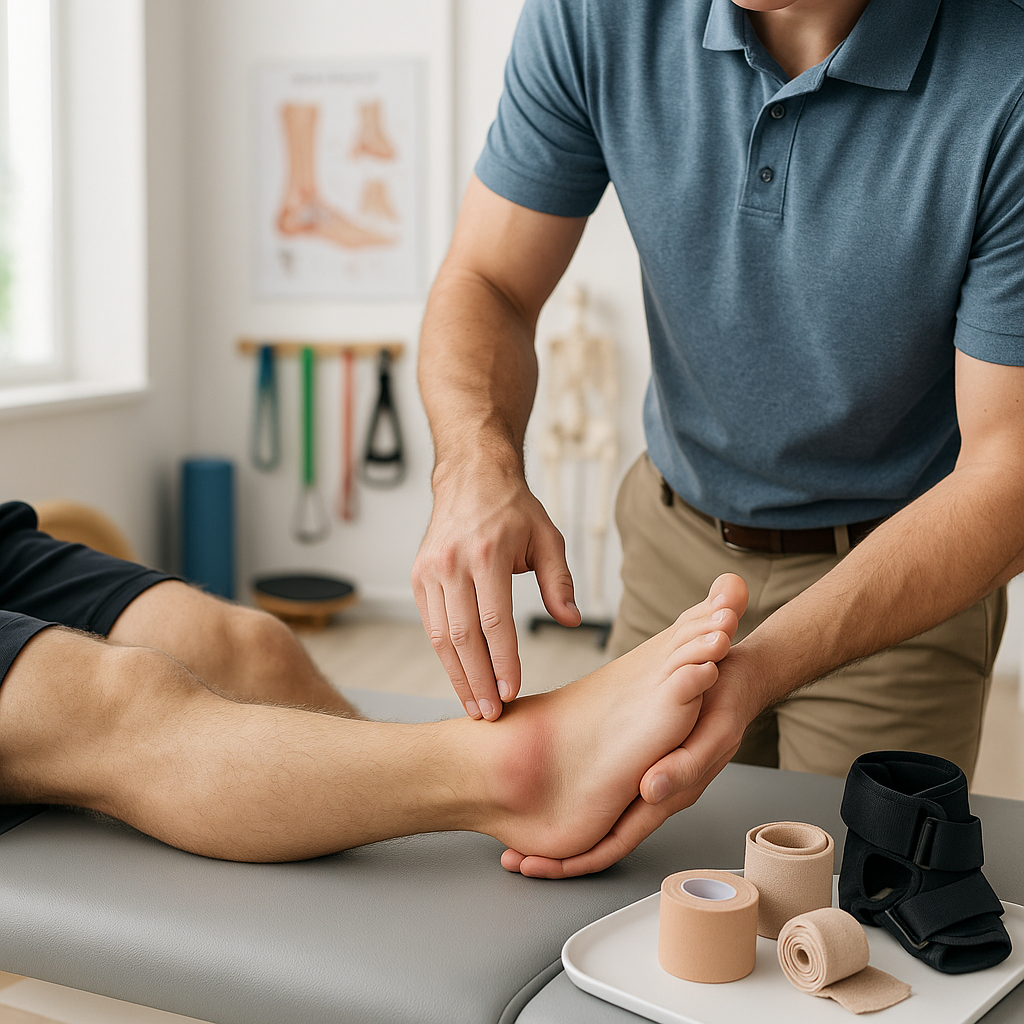
Understanding Ankle Sprains and the Role of Chiropractic Care
Ankle sprains are among the most common musculoskeletal injuries affecting people of all ages and activity levels. Whether sustained during athletic activity, an unfortunate misstep on uneven ground, or a simple everyday accident, a sprained ankle can cause significant pain, swelling, and functional limitation. While many individuals instinctively reach for over-the-counter pain medications or apply ice and rest, a growing number of patients are turning to an ankle sprain chiropractor for comprehensive, drug-free recovery solutions.
Chiropractic care offers a holistic and evidence-informed approach to sprained ankle treatment, addressing not only the immediate symptoms but also the underlying biomechanical issues that may have contributed to the injury. Understanding what chiropractic treatment involves and how it can benefit ankle sprain recovery is essential for anyone seeking a thorough and lasting path to healing.
What Happens When You Sprain Your Ankle?
An ankle sprain occurs when the ligaments surrounding the ankle joint are stretched or torn beyond their normal range of motion, typically as a result of the foot rolling inward or outward unexpectedly. The severity of a sprain is classified into three grades:
- Grade I (Mild): Minor stretching or microscopic tearing of ligament fibers with minimal swelling and tenderness.
- Grade II (Moderate): Partial tearing of ligament fibers accompanied by noticeable swelling, bruising, and moderate pain.
- Grade III (Severe): Complete rupture of one or more ligaments, resulting in significant instability, severe swelling, and intense pain.
Beyond ligament damage, ankle sprains can also affect the surrounding muscles, tendons, joint capsule, and even the bones themselves. Importantly, the joints of the ankle and foot may become misaligned during the injury, which is a primary focus of ankle injury chiropractic treatment.
How Does a Chiropractor Evaluate an Ankle Sprain?
Before initiating any treatment, a qualified chiropractor conducts a thorough assessment of the injured ankle. This evaluation typically includes:
- A detailed patient history, including the mechanism of injury and symptom progression
- Physical examination of the ankle, foot, and lower leg for tenderness, swelling, and range of motion
- Orthopedic and neurological testing to assess ligament integrity and joint stability
- Gait analysis to identify biomechanical compensations
- Referral for imaging studies such as X-rays or MRI if fracture or significant soft tissue damage is suspected
This comprehensive evaluation allows the chiropractor to develop a customized treatment plan tailored to the specific nature and severity of the injury.
Chiropractic Techniques Used for Ankle Sprain Treatment
Chiropractic care for ankle sprains encompasses a variety of techniques designed to restore proper joint alignment, reduce inflammation, promote tissue healing, and improve functional stability. The following are the most commonly employed methods:
1. Ankle Adjustment (Joint Manipulation)
One of the cornerstone procedures in ankle injury chiropractic care is the ankle adjustment. During a sprain, the bones of the ankle — particularly the talus, fibula, and tibia — can shift out of their optimal alignment. This misalignment, known as a subluxation, can restrict joint movement, prolong pain, and impair the healing process.
An ankle adjustment involves the chiropractor applying a precise, controlled force to the affected joint with the goal of restoring proper alignment and mobility. This procedure is generally gentle, targeted, and performed only after a thorough assessment confirms that manipulation is safe and appropriate. Patients often report immediate improvements in range of motion and a reduction in pain following an ankle adjustment.
2. Soft Tissue Therapy
Soft tissue therapy is a vital component of sprained ankle treatment, as the surrounding muscles, tendons, and fascia are frequently affected alongside the ligaments. Chiropractors may employ several soft tissue techniques, including:
- Instrument-Assisted Soft Tissue Mobilization (IASTM): Specialized tools are used to break down scar tissue and adhesions that can impede recovery.
- Myofascial Release: Gentle, sustained pressure is applied to the connective tissue to release tension and restore normal movement patterns.
- Trigger Point Therapy: Focused pressure is applied to specific points of muscle tension to alleviate referred pain and improve circulation.
3. Therapeutic Ultrasound
Therapeutic ultrasound is a widely used modality in chiropractic offices for managing soft tissue injuries. Sound waves penetrate deep into the affected tissues, generating gentle heat that promotes circulation, reduces inflammation, and accelerates the healing of damaged ligaments and tendons. This non-invasive treatment is particularly beneficial in the early stages of ankle sprain recovery.
4. Cold Laser Therapy (Low-Level Laser Therapy)
Cold laser therapy, also referred to as low-level laser therapy (LLLT), uses specific wavelengths of light to stimulate cellular repair processes. This modality has demonstrated effectiveness in reducing pain and inflammation while enhancing the regeneration of connective tissue — making it a valuable adjunct in the treatment of ankle sprains.
5. Kinesiology Taping
Many chiropractors incorporate kinesiology taping as part of their sprained ankle treatment protocol. Elastic therapeutic tape is applied to the ankle in specific patterns that provide structural support, reduce swelling, and improve proprioception — the body’s awareness of joint position.














