
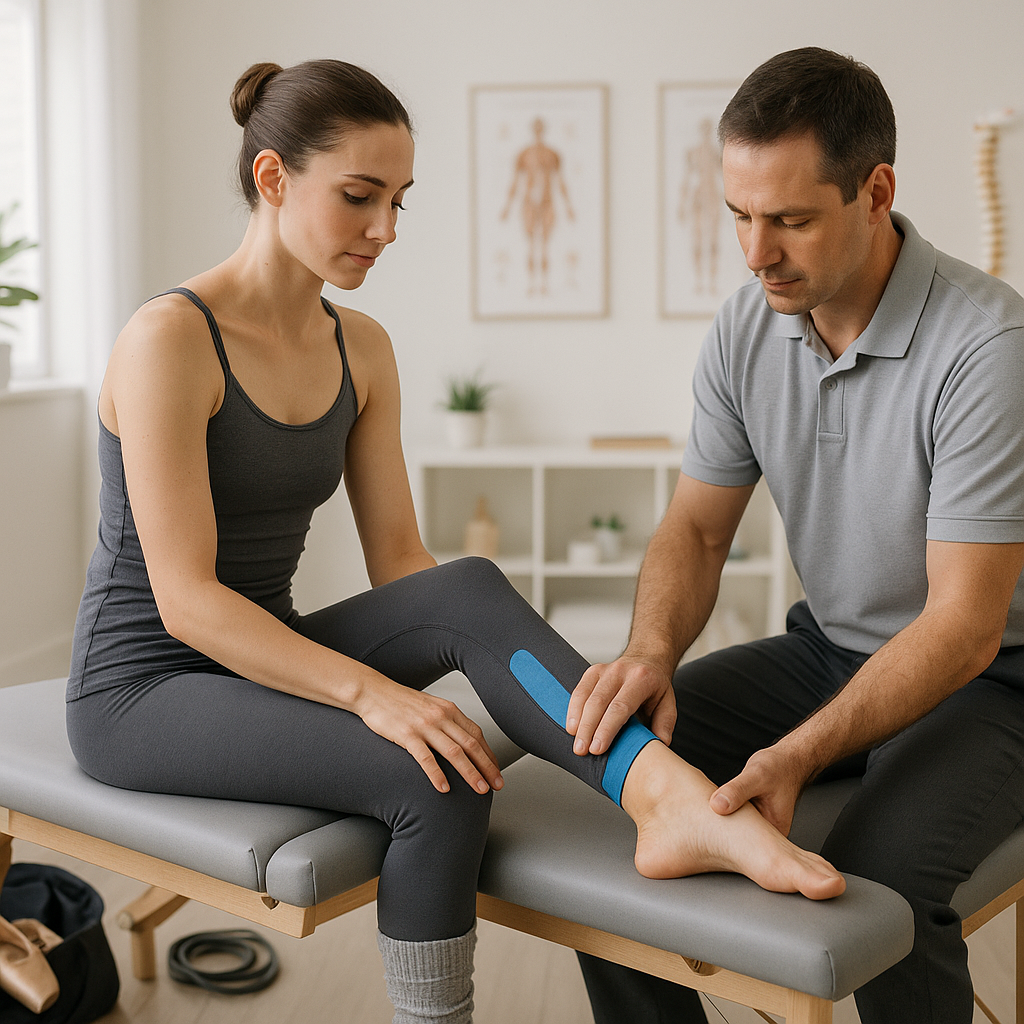
Understanding Dance-Related Injuries and the Role of Chiropractic Care
Dance is a physically demanding art form that places extraordinary stress on the human body. Whether you are a professional ballet dancer, a contemporary performer, or a recreational dance enthusiast, the repetitive movements, extreme flexibility requirements, and high-impact nature of dance can lead to a wide range of musculoskeletal injuries. For many dancers, finding an effective and non-invasive treatment approach is essential to maintaining their performance and long-term health. This is where a dance injury chiropractor can play a transformative role in recovery and prevention.
Chiropractic care has become an increasingly recognized and respected component of dance medicine. By addressing the root causes of pain and dysfunction rather than simply managing symptoms, chiropractors offer dancers a holistic pathway to healing, improved biomechanics, and sustained physical wellness.
Common Dance-Related Injuries Treated by Chiropractors
Before exploring specific treatment approaches, it is important to understand the types of injuries that dancers commonly sustain. These conditions vary depending on the dance style, training intensity, and individual anatomy of the dancer.
- Spinal Misalignments and Back Pain: Repeated spinal flexion, extension, and rotation during dance routines frequently cause vertebral subluxations and chronic lower back discomfort, making dancer spine care a critical priority.
- Hip Flexor Strains: Repeated high kicks, grand battements, and jumps place significant strain on the hip flexors and surrounding musculature.
- Knee Injuries: Pliés, turns, and jumps exert substantial pressure on the knee joints, often leading to patellofemoral syndrome, ligament sprains, or meniscus irritation.
- Ankle and Foot Problems: Pointe work, relevés, and landing from jumps frequently result in ankle sprains, Achilles tendinitis, and plantar fasciitis.
- Shoulder and Neck Tension: Partnering work and overhead lifts can create tension, strain, and misalignment in the cervical spine and shoulder complex.
- Stress Fractures: Overtraining without adequate recovery can cause hairline fractures, particularly in the foot, shin, and lower back.
- Scoliosis and Postural Imbalances: The intensive physical training in dance can exacerbate existing postural issues or contribute to the development of new ones over time.
How Chiropractic Care Addresses Dance Injuries
Chiropractic care for dancers is not a one-size-fits-all approach. A skilled dance injury chiropractor will conduct a thorough assessment of the dancer’s posture, movement patterns, spinal alignment, and overall musculoskeletal health before developing a personalized treatment plan. The primary objective is to restore proper joint function, reduce inflammation, alleviate pain, and enhance the body’s natural healing processes.
1. Spinal Manipulation and Adjustment
Spinal manipulation, commonly referred to as chiropractic adjustment, is the cornerstone of chiropractic treatment. By applying controlled, precise force to specific vertebral joints, a chiropractor can correct misalignments, restore normal range of motion, and relieve pressure on surrounding nerves and tissues. For dancers who experience chronic back pain or stiffness, regular spinal adjustments are an integral part of comprehensive dancer spine care.
This technique is particularly beneficial for addressing lumbar and thoracic spine issues commonly encountered in dance disciplines. Proper spinal alignment not only reduces pain but also improves the overall efficiency of movement, which is essential for optimal dance performance.
2. Soft Tissue Therapy and Myofascial Release
Beyond spinal adjustments, chiropractors trained in sports and dance medicine frequently employ soft tissue therapies to address muscle tension, scar tissue, and fascial restrictions. Techniques such as Active Release Technique (ART), myofascial release, and trigger point therapy are used to break down adhesions, improve circulation, and restore the natural extensibility of muscles and connective tissues.
For dancers recovering from a dance strain chiropractic treatment program, these soft tissue interventions are particularly effective in resolving the deep muscular tension that builds over years of training and performance.
3. Ballet Injury Treatment with Chiropractic Protocols
Ballet, in particular, demands extreme physical precision and places unique biomechanical demands on the body. Ballet injury treatment through chiropractic care often focuses on addressing the specific challenges inherent to this discipline, including:
- Turnout and Hip Alignment: Ballet requires significant external rotation of the hip joints. Chiropractors assess and treat imbalances in hip alignment that may predispose dancers to injury, including labral tears and piriformis syndrome.
- Spinal Hyperextension Management: The arabesques and backbends in ballet can cause compression of the lumbar vertebrae. Chiropractic adjustments combined with core stabilization guidance help protect the spine from excessive stress.
- Foot and Ankle Rehabilitation: Pointe work places immense demand on the ankles and feet. Chiropractors may incorporate foot joint mobilization and rehabilitation exercises to support this delicate area.
- Sacroiliac Joint Dysfunction: Imbalanced loading during training frequently leads to sacroiliac joint dysfunction in ballet dancers. Targeted chiropractic adjustments can effectively realign this joint and eliminate associated pain.
4. Extremity Adjustments and Joint Mobilization
While spinal care is a primary focus, chiropractic treatment for dancers also extends to the peripheral joints, including the hips, knees, ankles, and shoulders.














